USA23 October, 20253 min read
Federal Government Shutdown Cuts SNAP Food Benefits for 42 Million Americans
This article is an automated aggregation of coverage from news outlets. Our editorials offer in-depth analysis curated by the NewsCord team.
SNAP benefits funding will run out in November, threatening aid for 42 million Americans. Multiple states have announced suspensions or delays of SNAP payments due to shutdown.

30 outlets told this the same way.
Outlets did split on Trump Interrupted by Protesters at San Antonio Rally for Ken Paxton →
Impact of Government Shutdown on Food Aid
A prolonged federal government shutdown is poised to cut off or delay November Supplemental Nutrition Assistance Program (SNAP) benefits, putting roughly 42 million Americans at risk as October payments run out. National outlets report October benefits were delivered, but November aid hinges on restoring federal funding. Timelines differ across reports: some describe the shutdown entering its fourth week and “approaching its 21st day,” while others call it the “second longest in history.”
“While October benefits will be distributed as usual, November payments depend on the restoration of federal funding.”
Local and state-level warnings echo the scale: a USDA letter said full November benefits cannot be paid to about 42 million nationwide, and states like Florida are bracing as demand at charities has already surged. Advocates and officials warn the uncertainty could cascade into WIC disruptions and severe food insecurity if Congress does not resolve the impasse quickly.

SNAP Benefit Delays Amid Shutdown
States are issuing urgent alerts as federal guidance and funds stall. Texas officials warn that if the shutdown continues beyond October 27, SNAP November deposits won’t arrive, and it’s unclear whether delayed benefits can be made up. Broader warnings span at least 24 states—including Minnesota, California, Pennsylvania and Texas—if the shutdown persists past October 27.
In the Southeast, USDA shortfalls threaten nearly 1.4 million Georgians and about 560,000 South Carolinians starting November 1. North Carolina officials say the USDA has paused November SNAP payments, heightening fears of delays or halts for roughly 700,000 SNAP households. Administratively, some states face shortages or have halted new applications, with agencies overwhelmed by staffing and technology constraints.

Food Assistance Challenges Amid SNAP Delay
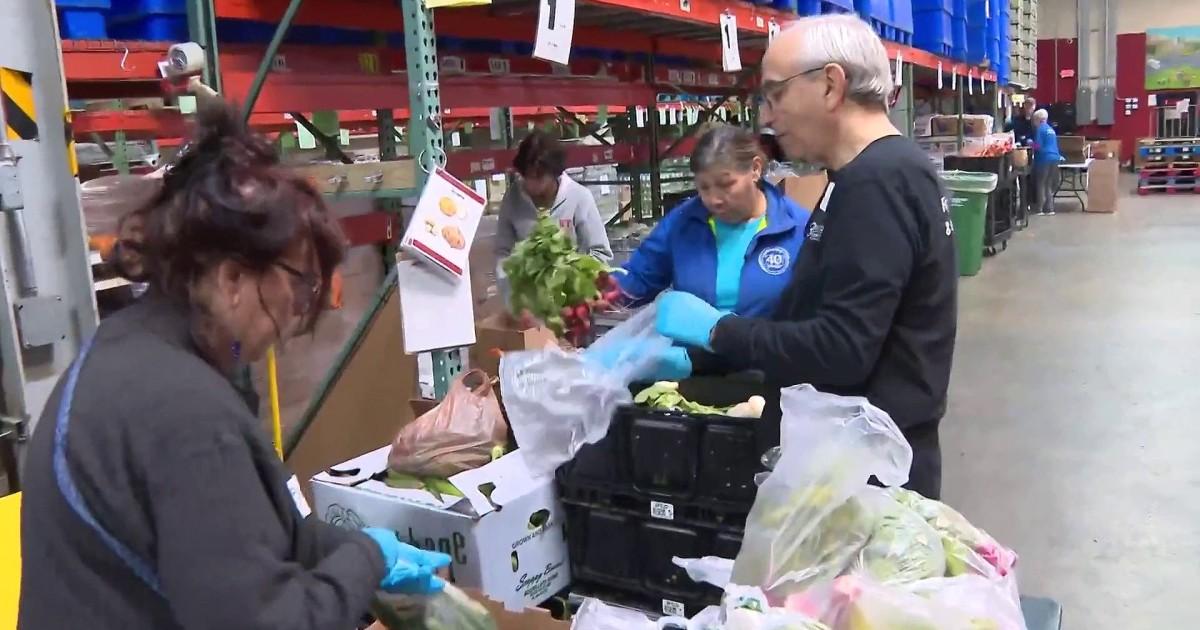
Food banks and pantries report surging need and supply strain as SNAP hangs in limbo. In Florida, church-based food lines have nearly doubled. In Indiana, a major food bank warns the shutdown is worsening food insecurity and says it cannot access federal food supplies.
“On the 21st day of the government shutdown, Gleaners Food Bank in Indiana warns that the ongoing shutdown is worsening food insecurity.”
Another Indiana outlet notes November SNAP payments are suspended and school meal programs could be at risk. In Virginia, local shelves are already empty in places as organizations order extra food and stage pop-up pantries.
North Carolina providers face a sharp drop in federal TEFAP supplies and recall cutting portions during the last shutdown, even as first-time visitors rise by 30%, but pledge to keep services running. Some regional leaders remain cautiously optimistic that networks can handle demand with volunteers and donations, at least for now.
Impact of Government Shutdown
The shutdown’s fallout extends to federal workers and contractors, amplifying pressure on local aid networks. Roughly 1.4 million federal employees are furloughed or working without pay, and community groups in the D.C. area and beyond are distributing shelf-stable food and free meals. In Missouri, a drive-thru aims to support up to 300 affected workers with 20,000 pounds of groceries.
Oklahoma organizers mount weekly pantries, partner with retailers, and raise funds to sustain giveaways. Indiana reports tens of thousands of unpaid federal employees and more than a thousand active-duty military personnel seeking help. WIC funding is expected to run out soon and school meals are at risk, compounding SNAP uncertainty.
SNAP and WIC Funding Issues
Funding and politics remain at an impasse, shaping how outlets explain the threat to SNAP. MARCA points to Congress’ failure to approve a new budget and reiterates that states cannot issue payments without federal funds. El-Balad underscores divided negotiations and notes a $5 billion SNAP contingency that could cover roughly a month, but warns WIC could face a historic disruption.
“The Supplemental Nutrition Assistance Program (SNAP), which supports about 42 million people, may have to suspend payments because Congress has not approved a new budget, leaving insufficient funds for November benefits.”
Fox News highlights partisan deadlock—Democrats seeking health policy concessions, Republicans blaming Democrats, and the White House declining to tap the contingency fund—while also noting state-to-state variability in SNAP and WIC impacts. Beyond the standoff, administrative and policy burdens compound the risk: some states are halting applications or facing shortages, with agencies overwhelmed and new work requirements causing gradual benefit losses, even among working households.
