USA26 September, 20252 min read
Federal Grand Jury Indicts Former FBI Director James Comey for Lying to Congress and Obstruction
This article is an automated aggregation of coverage from news outlets. Our editorials offer in-depth analysis curated by the NewsCord team.
James Comey was indicted for lying to Congress and obstructing a congressional proceeding. Charges relate to Comey’s 2020 testimony about the FBI’s 2016 Russia election interference investigation.

29 outlets told this the same way.
Outlets did split on Trump Interrupted by Protesters at San Antonio Rally for Ken Paxton →
James Comey Indictment Details
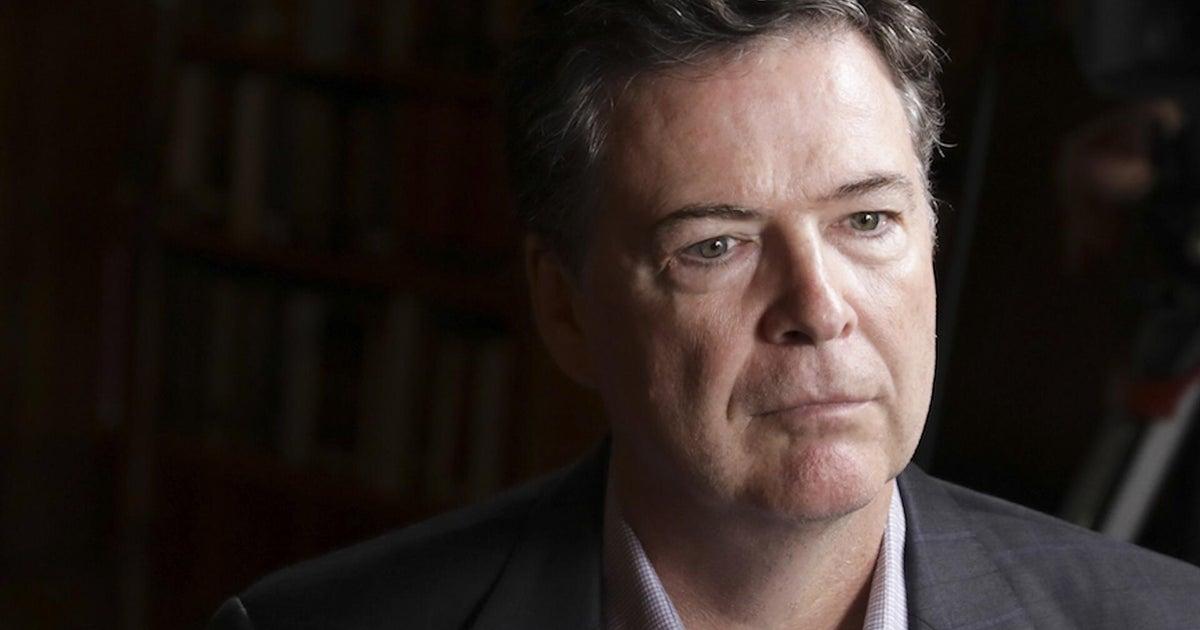
Former FBI Director James Comey has been indicted by a federal grand jury on charges of lying to Congress and obstructing a congressional proceeding.
“Former FBI Director James B. Comey was indicted by a federal grand jury on charges of lying to Congress and obstructing a congressional proceeding.”
The indictment, filed in the Eastern District of Virginia, centers on Comey's September 2020 testimony before the Senate Judiciary Committee.

He is accused of falsely denying that he authorized an FBI source to anonymously provide information to the media.
This marks the first criminal case against a high-ranking official connected to President Trump's grievances over the 2016 Russia investigation.
The charges cite violations of Sections 1001 and 1505 of Title 18 of the U.S. Code, each carrying up to five years in prison.
Legal Actions and Political Concerns
The indictment follows a series of public demands by former President Donald Trump for legal action against Comey and other political opponents. Trump has long criticized Comey, whom he fired in 2017, as part of a "deep state" conspiracy against his administration.
The Justice Department's decision to pursue charges has raised concerns about the potential politicization of the department under Attorney General Pam Bondi, a Trump ally. Critics argue that the move could be seen as an attempt to use the DOJ as a tool for political retribution.
Prosecution Developments in Virginia
The case against Comey is expected to be prosecuted in the Eastern District of Virginia, a jurisdiction that has seen significant changes in its leadership. Lindsey Halligan, a Trump appointee with limited prosecutorial experience, has been appointed as the top federal prosecutor in the district.
“Lindsey Halligan, a Trump aide with limited prosecutorial experience, as the top federal prosecutor in the Eastern District of Virginia.”
This appointment has further fueled concerns about the influence of political considerations on prosecutorial decisions. The indictment comes as the statute of limitations for perjury charges is nearing expiration, adding urgency to the proceedings.
Legal Controversy and Accountability
James Comey has denied the charges, maintaining that he was truthful in his testimony and did not authorize any leaks. He has expressed confidence in the judicial system and criticized the indictment as politically motivated.
The case has sparked a broader debate over accountability in federal law enforcement and the role of political influence in DOJ decisions. Legal experts have voiced concerns that the case could set a precedent for using legal actions as a means of political retaliation.
