
Full story
Nationwide USPS mail-vote block
A federal judge in Boston blocked the U.S. Postal Service from implementing part of President Donald Trump’s executive order tightening mail-in voting rules ahead of the November midterm elections that will decide control of Congress.
“the federal government has declined to defend the constitutionality of the EO’s directives”
U.S. District Judge Indira Talwani said the executive order was likely unconstitutional and that the federal government had declined to defend the constitutionality of the EO’s directives, writing, “the federal government has declined to defend the constitutionality of the EO’s directives.”
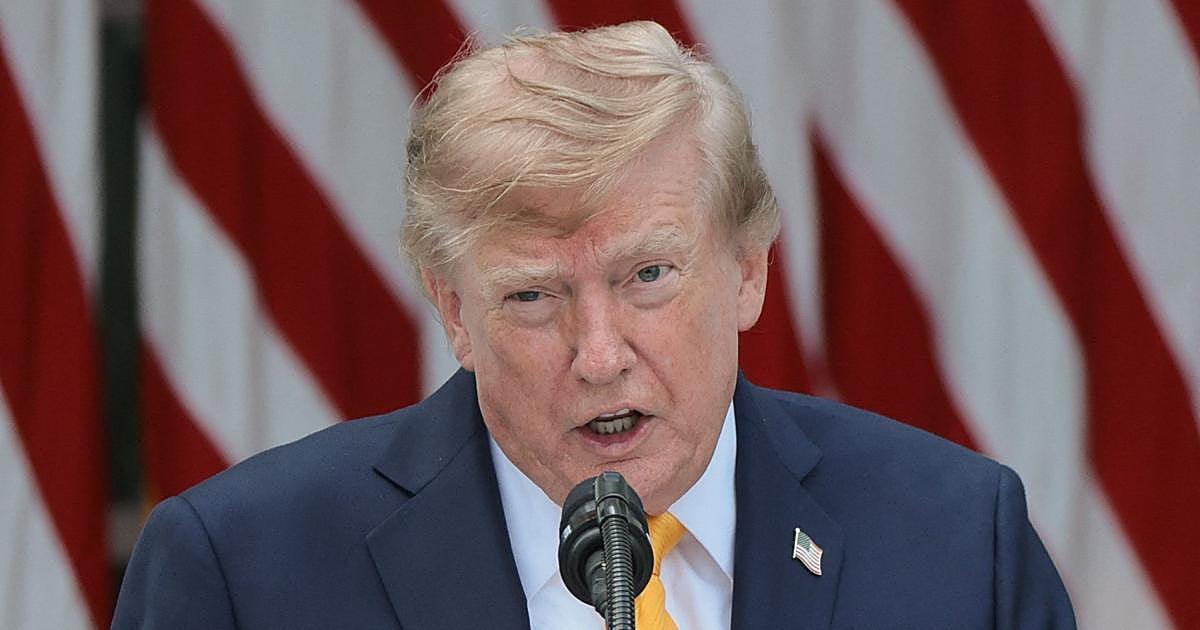
Talwani’s Tuesday order expanded on an earlier June ruling that had blocked the order in 23 states and Washington, D.C., and the judge emphasized that “less than 90 days remain before the midterm elections.”
The executive order directs states to send USPS a list of voters who asked to vote by mail, and the Postal Service would then develop new envelopes for mail ballots with barcodes linking them to those individual voters and refuse to deliver ballots to or from voters not on the pre-approved lists.
Court reasoning and disputes
Talwani said the administration argued only that federal agencies must be allowed to take more steps before courts could rule, and she rejected claims that enjoining implementation would harm mail-in voting.
In her decision, Talwani wrote, “The record is devoid of any evidentiary support of illegal or fraudulent absentee voting,” and she concluded the court lacked support for the assertion that preliminarily enjoining the USPS would harm the public.
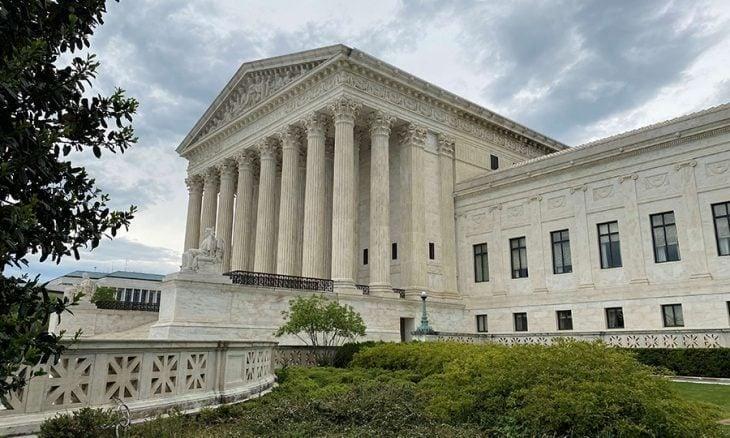
The Trump administration asked the U.S. Supreme Court to put Talwani’s earlier decision on hold, arguing the states’ case was premature as agencies had not yet finalized plans to implement the order.
NPR described the Tuesday ruling as an expansion of the block, saying it “bans the U.S. Postal Service from trying to finish carrying out Trump’s directives in every state,” while the wait continued for the Supreme Court to weigh in on Talwani’s earlier ruling.
Who is affected next
Voting rights groups that sued over the executive order asked Talwani to go further and bar USPS from implementing the rule anywhere in the nation, and the League of Women Voters of Massachusetts sought the nationwide expansion.
“The president does not get to rewrite the rules of voting”
In a statement, Sophia Lin Lakin of the American Civil Liberties Union said, “The president does not get to rewrite the rules of voting,” as the ruling left USPS unable to compile lists of eligible voters from states and deliver absentee ballots only to people on those lists.
The Hill reported that Talwani wrote the order was “causing confusion” and “threatening both increasing chaos and an erosion of trust in our democracy,” and she said the timing—“less than 90 days before the November 3, 2026 midterm elections”—underscored the need for an injunction.
The White House responded through spokesperson Lauren Bis, telling The Hill that the administration “will continue lawfully enacting the agenda President Trump was elected to enact – which includes the safety and security of American elections,” as the Supreme Court review request remained pending.