USA · 01 June, 2026 · 3 min read
Federal Judge Leo Sorokin Voids Trump’s $100,000 H-1B Visa Fee In Boston
Boston district judge Leo Sorokin voided the $100,000 H-1B visa fee as an illegal tax. The ruling nullified the White House policy imposing the September 2025 H-1B fee.
Cómo califica el gobierno la tarifa: sanción vs impuesto.
8 of 9 outlets skipped it: DHS dijo que reducir salarios es “amenaza de seguridad nacional”..
31outlets compared
Same story, two versions
tap a side to read it in full
Define el fundamento legal del Ejecutivo y la base de la nulidad judicial.
Fee Struck Down
A federal judge in Boston voided a $100,000 fee that U.S. President Donald Trump imposed for new H-1B visas, ruling it was an illegal tax Congress never authorized.
““El presidente no tenía poder ni autoridad delegada para imponer un impuesto sobre las peticiones H-1B””
U.S. District Judge Leo Sorokin said, “El presidente no tenía poder ni autoridad delegada para imponer un impuesto sobre las peticiones H-1B,” in a decision described as 42 pages.

The ruling came in a lawsuit brought by 20 Democratic state attorneys general after Trump announced the fee in September, and Sorokin concluded the executive lacked authority to impose it unilaterally.
CNN en Español reported that Sorokin, designated by former President Barack Obama and based in Boston, said only Congress had the power to change federal immigration policy to include such a requirement.
The Memphis Noticias report said Sorokin determined the $100,000 charge was illegal because it was a tax never authorized by Congress, and it was issued in response to the states’ challenge.
Arguments and Quotes
The administration argued in court that the $100,000 fee was a sanction authorized under federal immigration law, but Sorokin rejected that position and treated it as a tax.
Memphis Noticias quoted Sorokin writing, “En este caso, la naturaleza y la aplicación del pago de 100,000 dólares revelan que se trata de un impuesto, independientemente de cómo se denomine dicho pago”.
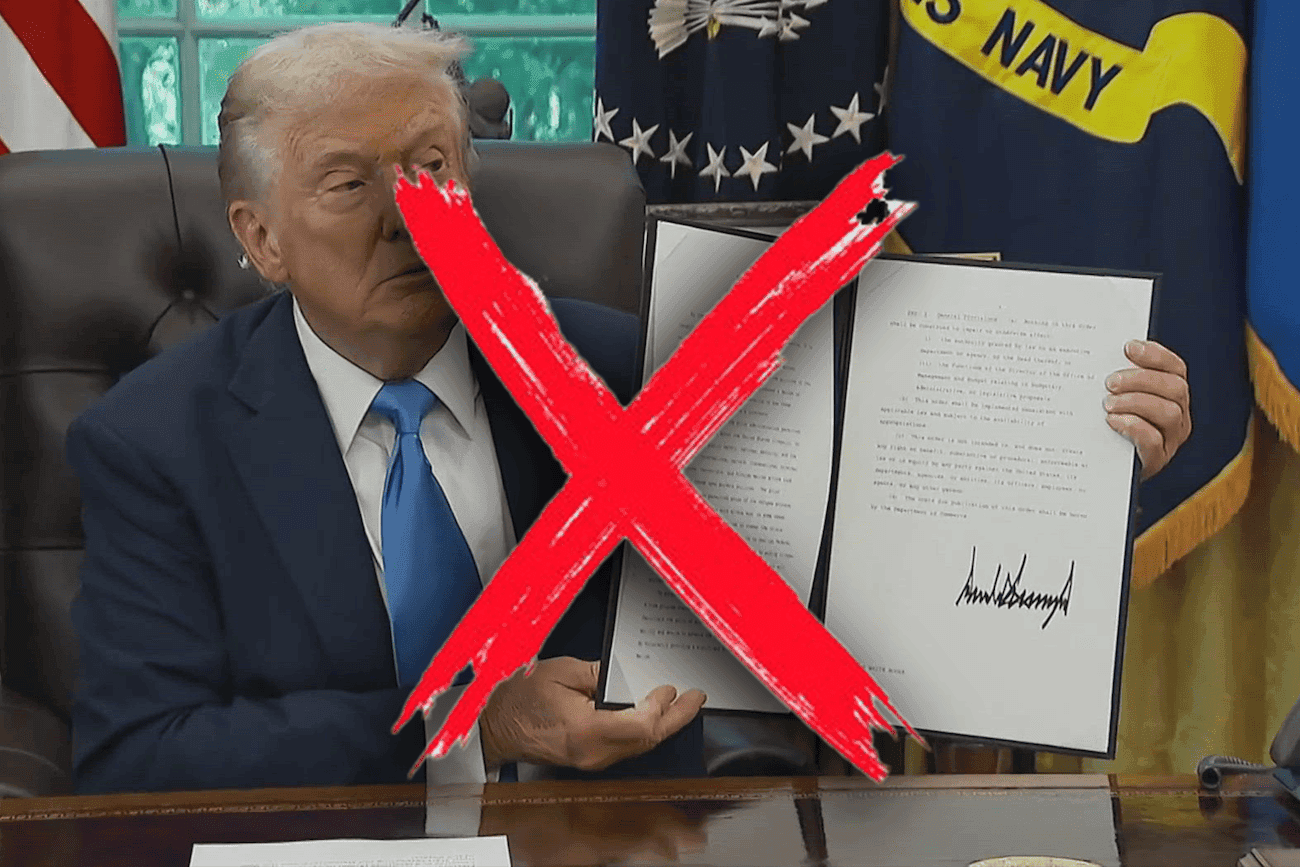
EL PAÍS said White House spokeswoman Taylor Rogers told Reuters that the administration was confident the order would be overturned on appeal, adding, “The president Trump has clear legal authority to restrict the entry of any category of foreigners whose admission he deems contrary to the best interests of the United States”.
Univision reported that Sorokin concluded the fee was not a fine but a tax for which the president lacked authorization from Congress, and it said the State Department and U.S. UCitizenship and Immigration Services could not implement it.
CiberCuba added that the DHS called the decision “brazen judicial activism,” framing it as dismantling the president’s immigration reform efforts.
Impact on H-1B Pipeline
The decision landed amid claims that the fee deterred H-1B applications, with court documents and filings cited as showing only 85 payments by February 15.
“By February 15, USCIS had received only 85 payments of the $100,000 fee”
CNN en Español said the case involved a program used by companies to hire foreign workers in specialized fields, and it described H-1B visas as valid for three years and renewable for another three.
EL PAÍS reported that the H-1B program offers 65,000 visas annually plus additional visas for advanced degrees, and it said the administration argued the fee was a sanction tied to restricting entry when it is “detrimental to the interests of the United States.”
Clarin reported that the lawsuit filed by 20 states argued the fee hindered hiring of teachers, researchers, health professionals, and other specialized workers in public institutions, and it said Sorokin concluded the policy violated the Administrative Procedure Act.
The Times of India said the DHS asked the appeals court to let the fee continue enforcing pending appeal, and it quoted DHS arguing that “Every day that passes more aliens can petition and enter the country despite the President’s determination that their entry would be detrimental.”T