Full story
Blanche nomination stalls
President Donald Trump defended his administration’s “anti-weaponization fund” and said “It is dead, but you know, I wish it weren’t,” as Acting Attorney General Todd Blanche’s nomination for U.S. attorney general remained stalled in the Senate.
“Asked Friday at a Cabinet meeting whether the fund is dead, Trump replied: “It is dead, but you know, I wish it weren’t.”
The holdup has been tied to objections from two Republicans on the Senate Judiciary Committee—Sens. John Cornyn of Texas and Thom Tillis of North Carolina—who are blocking Blanche over concerns about the settlement between Trump and the IRS that created the fund.
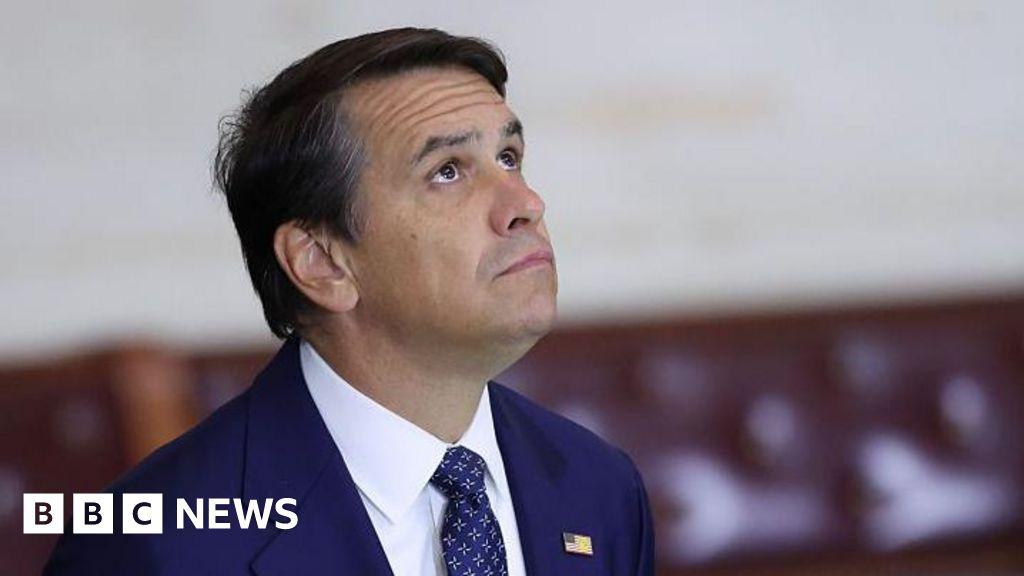
Trump’s comments further complicated the nomination timeline, with the article saying Blanche is now unlikely to be confirmed before the Senate departs next week for its five-week summer recess and that the chamber is not slated to return until after Labor Day.
The dispute delayed for several weeks and nearly derailed a $70 billion bill to fund Immigration and Customs Enforcement and the Border Patrol through the end of Trump’s term, according to NBC News.
During his Senate confirmation hearing this month, Blanche testified that the Trump administration was abandoning plans for the weaponization fund and that it was “dead,” but the administration has yet to put anything in writing stating it will not try to launch the fund in the future.
Cornyn, Tillis demand writing
In response to Trump’s defense of the fund, Tillis wrote on social media that the president made clear the “so-called Anti Weaponization Fund is still alive,” adding that “we are attempting to formally end it.”
Cornyn told reporters Thursday that “What it suggests to me is they are looking for an out to do something different than what Todd Blanche testified to at his hearing,” and said that was “a problem.”

The article describes how a single GOP defection means Blanche’s nomination cannot get out of committee and be sent to the full Senate, and it says Judiciary Chairman Chuck Grassley was forced to punt a Thursday vote to advance Blanche’s nomination.
NBC News also reported that both Tillis and Cornyn huddled with Blanche Thursday afternoon for about 45 minutes, with a source saying the three worked in a positive, collaborative manner to resolve the IRS settlement issues.
The CBS News account said Cornyn told reporters, “I'm not prepared to vote yes” without an agreement, and it described the committee delaying a Thursday morning hearing as work continued to secure sufficient support to favorably report Blanche.
What’s at stake next
The dispute centers on a settlement tied to Trump’s lawsuit against the IRS over the leak of his tax returns, with the Guardian describing a $1.8bn slush fund plan that would be awarded with no restrictions to allies of the president and bar the IRS from auditing his tax returns.
“to settle a long-shot $10bn lawsuit filed by Trump against the US Internal Revenue Service (IRS) over the leak of his tax returns”
NBC News reported that there’s another issue with the IRS settlement that could cause problems for Blanche: it includes an agreement that the IRS will not prosecute Trump, his family members or his businesses over any tax claims through May of this year.
The BBC reported that Cornyn and Tillis want Blanche to state in writing that the justice department will not resurrect the fund later on, and it said the Trump administration has not yet announced that commitment.
The Guardian said Trump wrote on Truth Social that he felt “these victims of government abuse should be paid back for what they were forced to endure,” and it reported that Blanche later said the slush fund was dead after backlash, while Tillis said the confirmation “hit a snag” because an advisor refused to amend the settlement.
As the standoff continues, the BBC said most federal vacancies can be filled in acting capacity for up to 210 days, and it noted that Blanche has been serving as acting attorney general since April while the confirmation process remains unresolved.