Sports02 June, 20263 min read
FIFA Introduces Semi-Automated Offside Technology for 2026 World Cup VAR Decisions
This article is an automated aggregation of coverage from news outlets. Our editorials offer in-depth analysis curated by the NewsCord team.
Semi-automated offside system to speed VAR decisions at 2026 World Cup. Real-time audio alerts notify assistants to raise the offside flag.
Offside tech for 2026
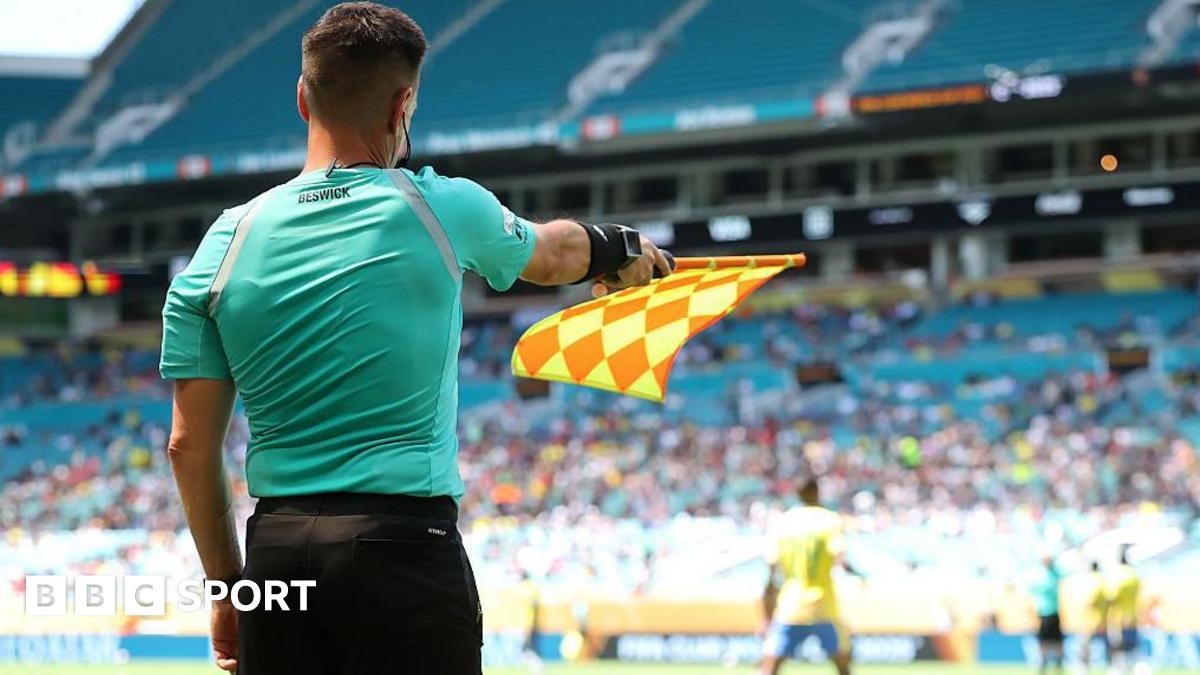
FIFA will introduce advanced semi-automated offside technology at the 2026 World Cup to speed up VAR decisions, with a real-time audio alert sent to the assistant if a player is more than 10cm offside. The BBC says previous versions tested at the Club World Cup and the Intercontinental Cup only notified officials if a player was greater than 50cm offside, while the official will remain in charge of when to raise the flag and stop play. FIFA’s new system is designed to be limited to positional offside and not subjective calls about whether a player interfered with an opponent without touching the ball.
“A real-time audio alert will be sent to the assistant if a player is more than 10cm offside.”
The Globe and Mail describes the tournament as expanding to a 48-team, 104-game format that will use artificial intelligence and enhanced data tracking to provide teams, officials and viewers more information than ever. The same Globe and Mail report says stadiums in the 16 host cities will have 16 cameras, up from 12 at the 2022 tournament in Qatar, tracking 29 data points 50 times per second to create more than 150 million tracking data points per match.
Avatars, VAR feeds, and IBC
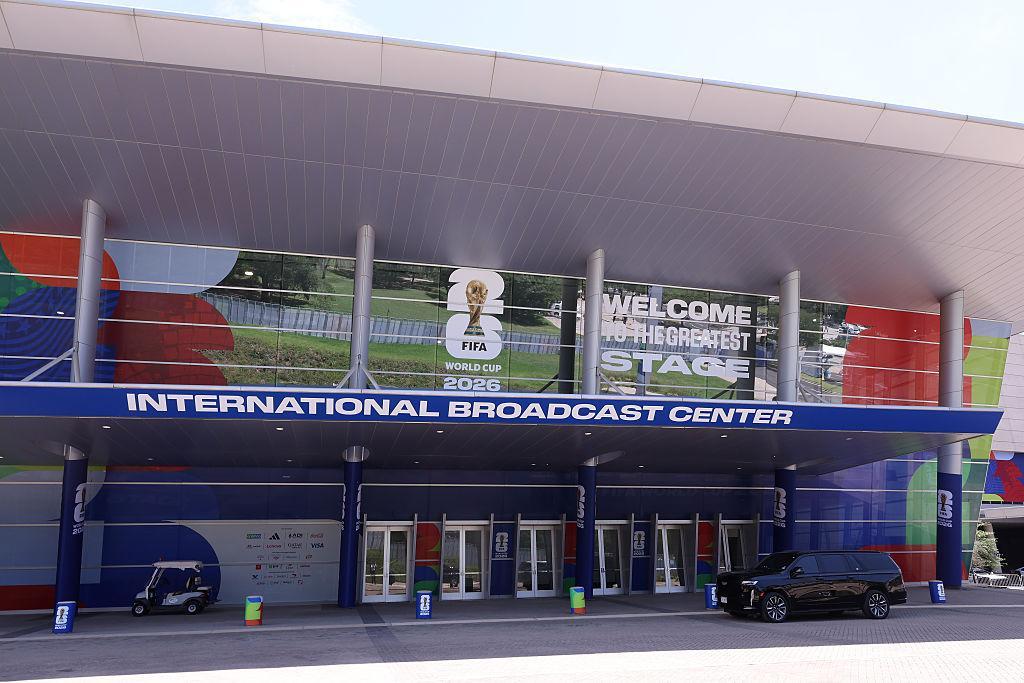
Alongside the offside upgrade, FIFA confirmed life-like, AI-enabled 3D avatars of every player will be created, with the BBC saying this will mean creating a digital scan of all 1,248 players in the 26-man squads of the 48 teams. The Globe and Mail adds that FIFA says information from the 3-D body scans, which take just one second, will be ingested into its data system to help make offside calls faster and more reliable. FIFA is also building the broadcast and technology infrastructure to support the tournament, with TVTechnology reporting that FIFA opened the International Broadcast Center (IBC) for the FIFA World Cup 2026 at the Kay Bailey Hutchison Convention Center in Dallas.
TVTechnology quotes FIFA President Gianni Infantino hailing the facility as "the most technologically advanced and top of the art international broadcast center that the world has ever seen." In Dallas, the IBC will serve as the global broadcast operations center for 180 broadcasters covering matches across 16 host cities in Canada, Mexico and the USA from June 11 to July 19 2026, according to TVTechnology.
Limits, goals, and tournament stakes
FIFA’s offside system comes with explicit limits, and the BBC says it will still be unable to pick out the closest offsides while there are limitations if players are on the ground or if there are several too close together. The BBC also notes that the technology can only be used for positional offside and not for subjective calls requiring interpretation around whether a player has interfered with an opponent without touching the ball. The Globe and Mail describes how the tracking, combined with the ball sensor, can help the video assistant referee on close offside decisions or possible handball calls, and it says the average offside call in Qatar took 35 seconds according to FIFA.
The Globe and Mail further reports that assistant referees have been asked to keep their flag down in cases of possible offside so that a potential erroneous call does not negate a goal-scoring opportunity, with real-time audio alerts sent to on-field officials in the event of clear offsides. FIFA’s technology push is also tied to broader match operations, and TVTechnology says the IBC spans 45,000 square meters (485,000 square feet) and will house the video assistant referee (VAR) room as part of the tournament’s media hub.