Technology and Science19 March, 20264 min read
Finland Tops World Happiness Report 2026; Sources Disagree on How Many Straight Years
This article is an automated aggregation of coverage from news outlets. Our editorials offer in-depth analysis curated by the NewsCord team.
Finland named world's happiest country in World Happiness Report 2026. Heavy social media use linked to global decline in youth well-being per WHR 2026.
Report Methodology
The World Happiness Report 2026 presents a comprehensive assessment of global well-being through its annual ranking system, with Finland maintaining its position as the world's happiest nation for the tenth consecutive year. The report utilizes a sophisticated methodology known as the Cantril ladder, asking respondents to evaluate their lives on a scale from 0 to 10, where 10 represents the best possible life. This self-reporting approach is complemented by six key factors that help explain variations in happiness scores across nations: GDP per capita, social support, healthy life expectancy, freedom to make life choices, generosity, and perceptions of corruption.
“The World Happiness Report ranks countries based on how people evaluate their own lives on a scale from 0 to 10. This self-rating, often called the Cantril ladder, asks respondents how they view their current life compared with the best and worst possible lives. Experts then combine these life evaluations with six key factors: GDP per capita, social support, healthy life expectancy, freedom to make life choices, generosity, and perceptions of corruption.”
The Sunday Guardian emphasizes that happiness is more than economic growth, while NBC News identifies the Sustainable Development Solutions Network as the organization behind this comprehensive annual assessment. The Tech Edvocate characterizes the report as painting a 'complex picture of global happiness' that reveals significant variations in life satisfaction across different regions and populations.

Finland's Dominance
Finland's continued dominance in the World Happiness rankings reflects the consistent high performance of Nordic nations in social support and freedom measures, with several other Scandinavian countries also featuring prominently in the top 10. According to The Sunday Guardian, Finland has topped the list for the tenth straight year, with Iceland, Denmark, Sweden and Norway also maintaining strong positions. This Nordic success stands in stark contrast to the absence of English-speaking countries from the top ranks, as highlighted by NBC News which notes that 'The 2026 rankings mark the second year in a row that none of the English-speaking countries appear in the top 10.'
The United States ranks 23rd, Canada at 25th, and Britain at 29th, indicating significant regional differences in life satisfaction. The Tech Edvocate emphasizes that nations like Finland continue to 'thrive in happiness rankings,' suggesting that their supportive social environments and policies contribute to consistently high well-being scores.

Social Media Impact
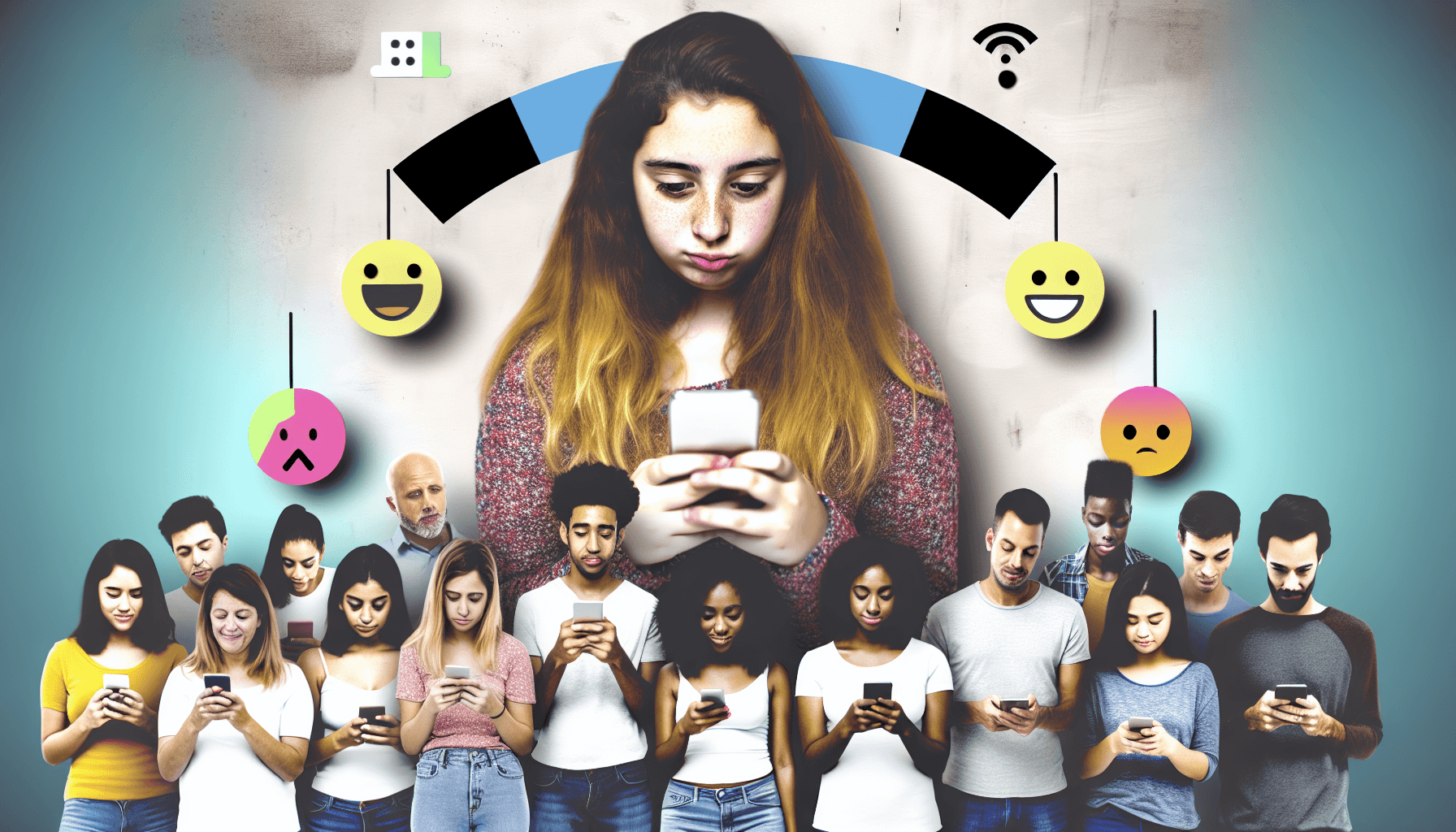
A significant focus of the 2026 World Happiness Report is the concerning impact of social media on youth well-being, particularly among teenage girls in Western countries. NBC News reports that among under-25s in English-speaking and Western European countries, the life evaluation score dropped by almost one point over the past decade, with heavy social media use being a contributing factor. The research shows that 15-year-old girls who use social media for five hours or more report a drop in life satisfaction compared to those with lighter usage patterns.
“Among under-25s in English-speaking and Western European countries, that score dropped by almost one point over the past decade. The report said the negative correlation between well-being and extensive social media use is particularly concerning among teenage girls.”
Notably, young people who use social media for less than one hour per day report the highest levels of well-being, even higher than those who do not use social media at all. However, adolescents are spending an estimated average of 2.5 hours daily on these platforms.
The Sunday Guardian corroborates these findings, noting that 'lifestyle issues like heavy social media use affect happiness, especially among young people.' The report identifies platforms with algorithmic feeds, influencers, and visual content as particularly problematic due to their encouragement of social comparisons, while communication-focused platforms show better outcomes.
Regional Variations
The 2026 World Happiness Report reveals notable regional variations in the relationship between social media use and well-being, challenging the assumption that digital engagement universally harms happiness. While the negative correlation is pronounced in Western contexts, the report finds that in some parts of the world, such as the Middle East and South America, the links between social media use and well-being are more positive, and youth well-being has not fallen despite heavy social media use. NBC News explains that these differences are due to 'many factors that differ between continents,' but concludes that heavy social media use in certain countries remains an important contributing factor to the decline in youth well-being globally.
This regional divergence suggests that cultural, social, and economic contexts significantly shape how digital platforms affect mental health. The Tech Edvocate emphasizes that 'since technology is not going anywhere and does more good than harm, adapting is the best course of action,' advocating for balanced approaches that allow for connectivity while protecting well-being. The report's findings come amid increasing global scrutiny of social media platforms, with more countries implementing or considering restrictions on social media for minors.
Global Disparities
Global happiness rankings reveal significant disparities between developed and developing nations, with India ranking 116th overall and demonstrating mixed performance across the report's key indicators. The Sunday Guardian reports that India's average life evaluation score of 4.536 places it well behind many countries, including Iran at 97th with a score of 5.151. Among South Asian neighbors, Pakistan ranks 104th, Sri Lanka 99th, and Bangladesh 127th, with Afghanistan at 147th.
“India's position in the World Happiness Report remains much lower. The country ranks 116th overall, with an average life evaluation score of 4.536. India trails behind many peers, including Iran, which ranks 97th with a score of 5.151.”
India's lower ranking reflects particularly poor performance in social support and GDP per capita measures, though the country scores relatively better in freedom and perceptions of corruption. Notably, India's average life expectancy of 58.2 years lags significantly behind higher-ranked nations like Israel, which has a life expectancy of 70.8 years.
These findings underscore that happiness and well-being are complex phenomena that cannot be explained by economic factors alone, as emphasized by the report's multi-dimensional approach to measuring life satisfaction. The data suggests that social support systems and quality of life factors play crucial roles in determining national happiness rankings beyond purely economic metrics.