Russia14 February, 20262 min read
Five European Governments Accuse Russia Of Poisoning And Killing Alexei Navalny With Epibatidine, A Rare Frog Toxin
Laboratories in five European countries detected epibatidine in samples from Navalny's body Five European governments accused Russia of killing Navalny and reported the case to the OPCW

31 outlets told this the same way.
Navalny poisoning findings
Five European governments, Britain, France, Germany, the Netherlands and Sweden, said laboratory analyses of samples from Alexei Navalny's body detected epibatidine, a rare and highly potent toxin, and reported the finding to the Organisation for the Prohibition of Chemical Weapons (OPCW). Those governments accused Russia of breaching the Chemical Weapons Convention and said only the Russian state had the means, motive and opportunity.
“European governments issued a coordinated statement saying laboratory analysis of samples from Alexei Navalny’s body found traces of epibatidine, a highly toxic compound ... leading them to conclude only the Russian state had the means, motive and opportunity.”
They said the toxin is linked to poison-dart frogs and that the finding increases pressure on Moscow and raises the possibility of coordinated Western measures, including further sanctions under consideration by the UK. The announcement comes nearly two years after Navalny died in February 2024 while held in a Siberian penal colony, and Western governments, family members and Navalny's supporters said the new analysis makes poisoning the likely cause of his death.

Epibatidine and Navalny reports
The toxin identified, epibatidine, is described across the reporting as extremely potent and rare. Outlets note it is associated with South American poison-dart frogs. Toxicologists say epibatidine poisoning in humans is extremely uncommon and can cause paralysis, seizures and respiratory failure.
European laboratories reported detecting the compound in samples from Navalny’s body. Five governments have reportedly written to the OPCW alleging a Chemical Weapons Convention breach. Several accounts note questions about how samples left Russia.
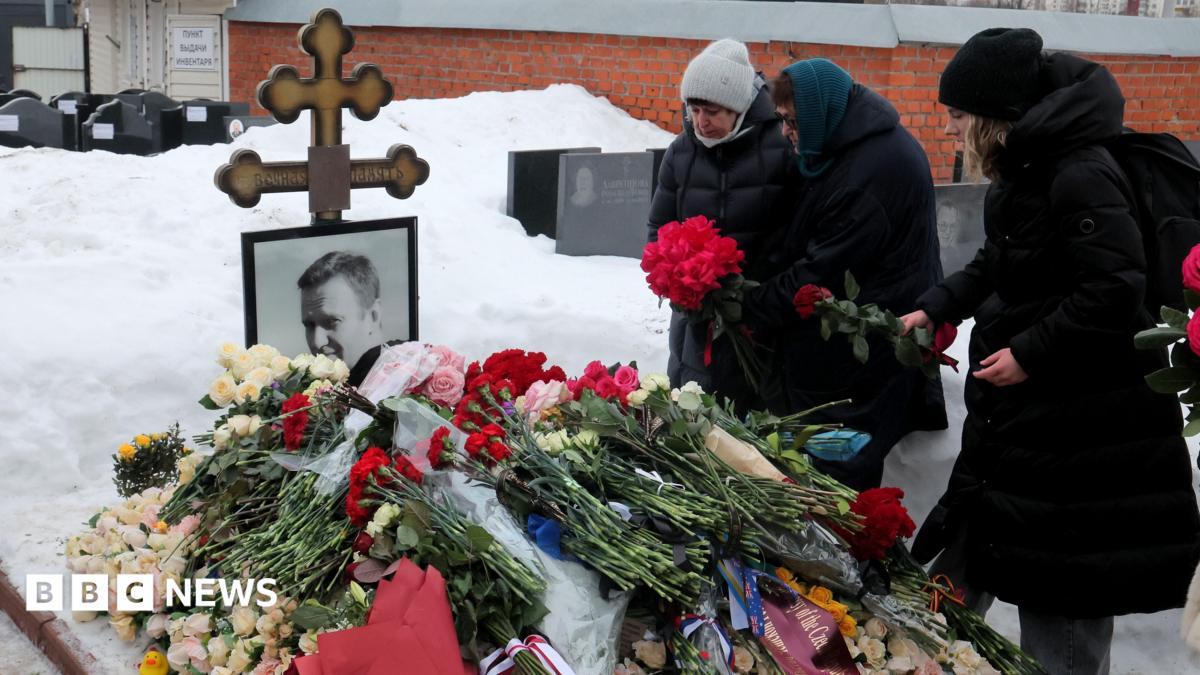
Family members and some outlets say tissue was smuggled out before burial. Those samples were tested in multiple European labs.
Kremlin's response to claims
The Kremlin has strongly rejected the accusations. Kremlin spokesman Dmitry Peskov, Russian spokespeople and the Foreign Ministry are quoted across outlets calling the European claims 'biased and unfounded'. They said the charges are politically motivated.
“The Kremlin ... strongly denied the claims ... calling them false, biased and unfounded.”
Russia reiterated earlier official explanations that Navalny died of natural causes. Some Russian statements called the reporting 'propaganda' and a 'political pageant' and asserted there is 'zero evidence'.
Reactions to Navalny findings
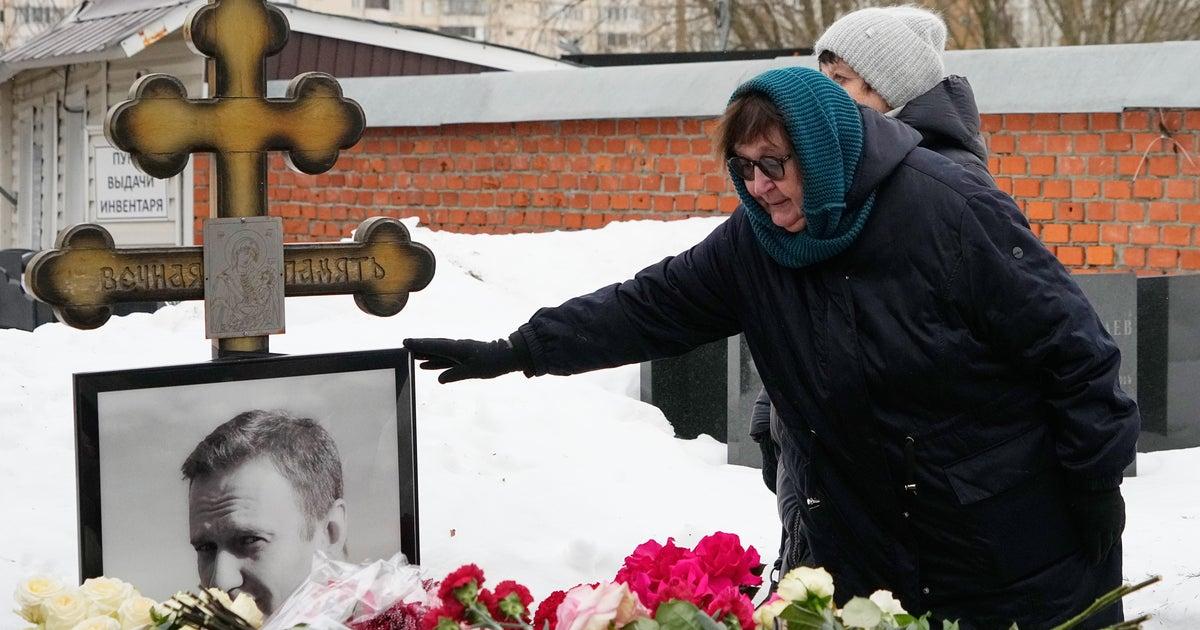
Navalny’s family, supporters and rights-focused reporting framed the findings as confirmation of murder and called for accountability. His mother and widow publicly said the results vindicated their belief he was killed, and relatives and supporters laid flowers at his grave on the anniversary.
Authorities elsewhere detained people for laying memorial flowers. At the same time, coverage from some outlets highlights the wider context: repression of Navalny’s movement since 2022, the criminalisation of his organisations inside Russia, and the impact on the opposition’s remaining networks.
Responses to OPCW submission
News outlets differ on the immediate consequences and on how definitive the new evidence is. Several reports say the five governments' submission to the OPCW could prompt coordinated sanctions and fresh diplomatic pressure, while other reporting stresses that reviews are continuing and that questions remain about chain of custody and public disclosure of lab methods. Journalists and officials quoted across outlets therefore present a mix of firm accusation, calls for accountability and cautious procedural description, leaving important factual uncertainties unresolved in public reporting.
“Officials did not publicly say how European labs obtained samples; sources indicate tissue was smuggled out of Russia before burial.”