
EU Tightens Steel Safeguards And Parcel Rules Against China From July 1, 2026
Key Takeaways
- EU tightens steel safeguards and ends de minimis small-parcel exemption.
- Aims to address a large China-EU trade deficit and protect strategic industries.
- Part of broader EU effort to rebalance trade with Beijing.
EU targets Chinese surpluses
The European Union implemented new measures on steel imports and low-value e-commerce parcels effective from July 1, 2026, as part of efforts to tackle its substantial trade deficit with China and protect strategic European industries.
“This is a major shift for the European Union”
The package includes a significant tightening of steel import safeguards, with the volume of tariff-free steel imports cut to 18.3 million tonnes per year and imports exceeding the quota facing tariffs of up to 50 per cent, while importers must document the country where steel was melted and poured from October 1, 2026.
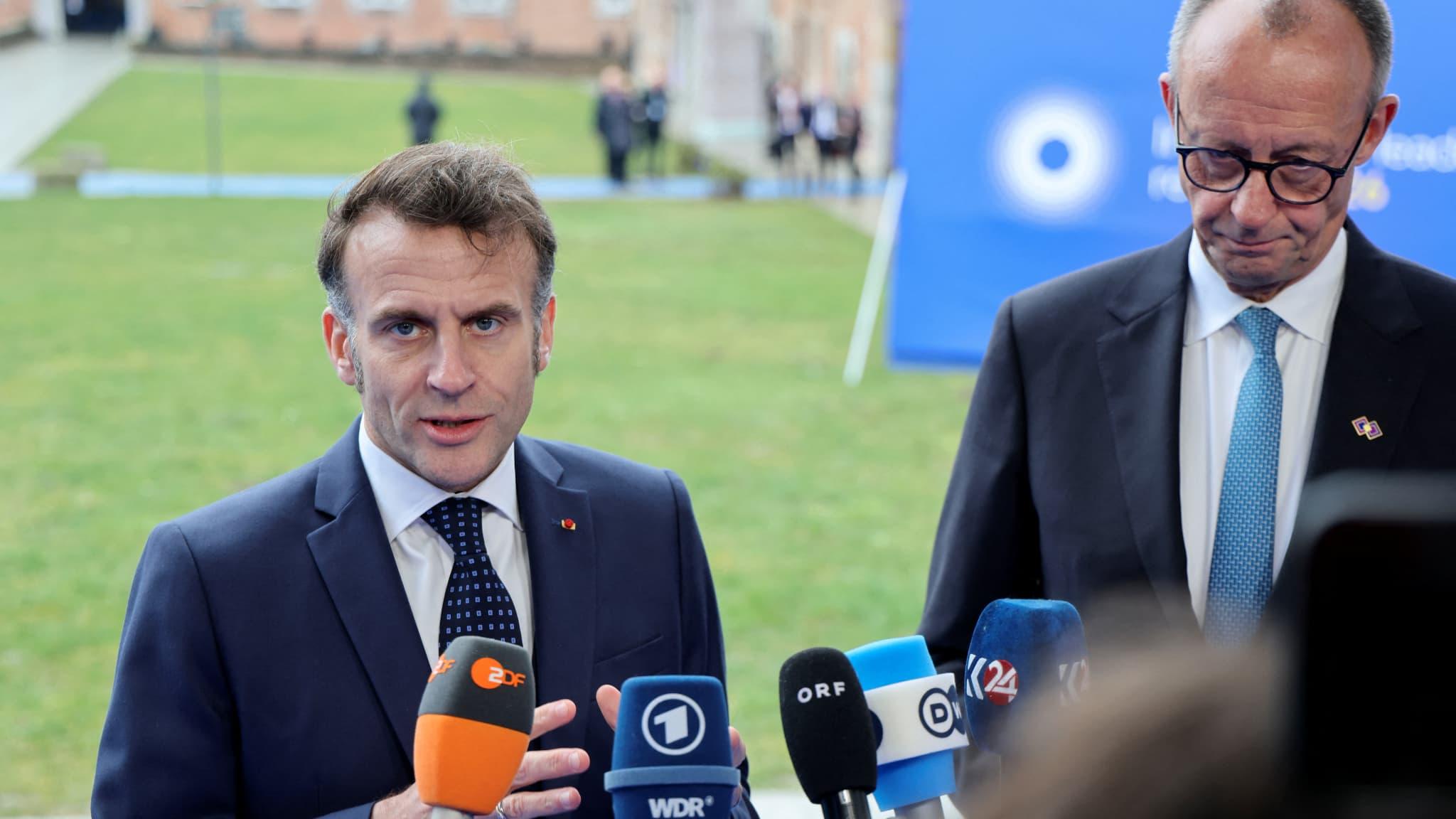
Brussels also scrapped the de minimis customs exemption for parcels valued below €150, replacing it with a flat €3 duty charged per item, and the change targets the surge in direct-to-consumer low-value shipments, particularly from Chinese platforms such as Shein and Temu.
European Commission President Ursula von der Leyen said the changes were restoring “fairness for European businesses” and better protecting consumers from unsafe products.
The measures are framed as essential for the EU’s open strategic autonomy, with the EU’s trade deficit with China reaching around €360 billion in 2025, roughly €1 billion a day, and China criticising the steel restrictions through World Trade Organisation (WTO) channels.
Talks, retaliation, and air conditioners
In parallel to the EU’s tougher stance, the European Union and China released a rare joint statement aimed at balancing trade and addressing market access issues, with European trade chief Maros Sefcovic telling reporters after meeting with China’s Commerce Minister Wang Wentao that disputes must deliver "tangible results" by October.
Sefcovic said Chinese exports to the EU "keep rising, while our market share in China keeps shrinking," and he warned that Beijing has made it clear it would not hesitate to retaliate against any new trade curbs designed to tackle the overcapacity issue.
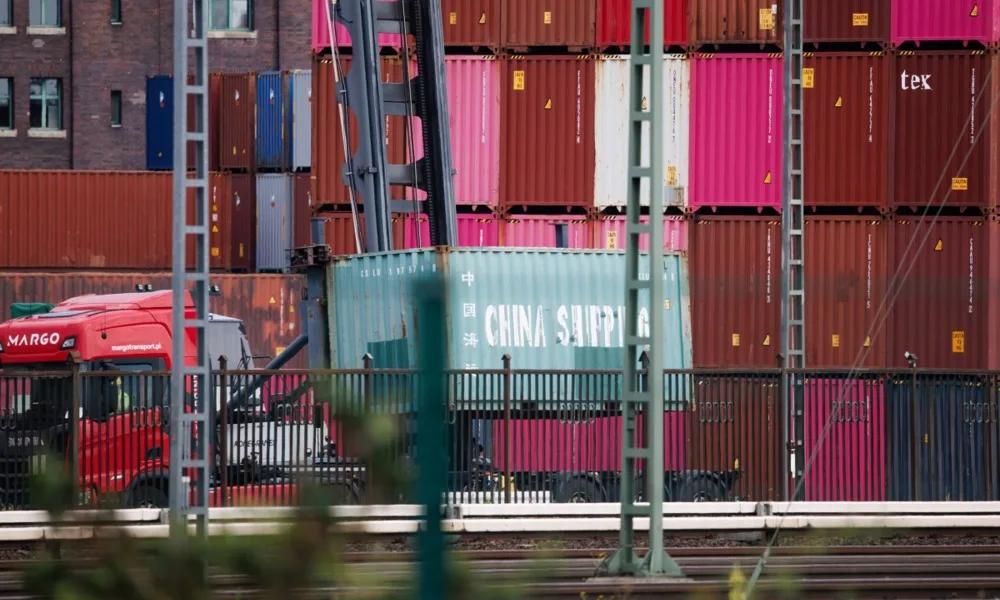
The talks in Brussels coincided with a historic heat wave driving unprecedented demand for imports of Chinese-made air conditioners, and Midea’s PortaSplit unit orders reportedly topped 200,000 this year as of Monday.
Denis Depoux, global managing director at Roland Berger, said, "This is an inversion of the past decades and is scary for European industries," while Alicia García Herrero, chief economist at Natixis, called the progress simply "smoke" from China to deter Europe from launching more protectionist measures.
The joint statement also included “reassurance” from Beijing that existing export controls on rare earths and permanent magnets will not disrupt EU supply chains, even as the goods deficit with China grew 15% to €360 billion last year and expanded to €98 billion in the first quarter.
China floats purchases as EU acts
China signalled openness to reducing its gaping trade surplus with the European Union as Brussels toughens its stance, with Chinese Commerce Minister Wang Wentao telling EU trade chief Maros Sefcovic that Beijing was open to exploring ways to cut the surplus during talks in Brussels this week.
“January 7 by Patrick Bond”
According to multiple people briefed on the discussion, Wang floated purchase agreements covering European goods, and the discussions touched on lowering tariffs on EU-made goods as a rare sign that China recognises its “billion-euro a day trade surplus” has become a political problem.
The same briefing said Beijing was also open to slowing its massive surge in exports to the 27-member union, which has led to fears of European manufacturers being wiped out by cut-price and increasingly high-quality Chinese goods.
The report adds that publicly, Beijing has played down the significance of the trade gap, insisting it is simply the result of market demand in Europe for Chinese goods, while in previous meetings Chinese officials said Dutch export controls on expensive semiconductor-making machines prevent it from rebalancing trade.
As the EU’s measures take effect—cutting tariff-free steel imports to 18.3 million tonnes per year and introducing a flat €3 duty on parcels below €150—China’s willingness to consider purchase agreements sets up a parallel track of negotiation over how the surplus is reduced.
More on China
NATO Faces A Moment Of Truth As Trump Presidency Widens Transatlantic Fault Line
10 sources compared

China Pushes China-Myanmar-Bangladesh Corridor From Kunming to Kyaukpyu, Aiming for Indian Ocean Access
13 sources compared
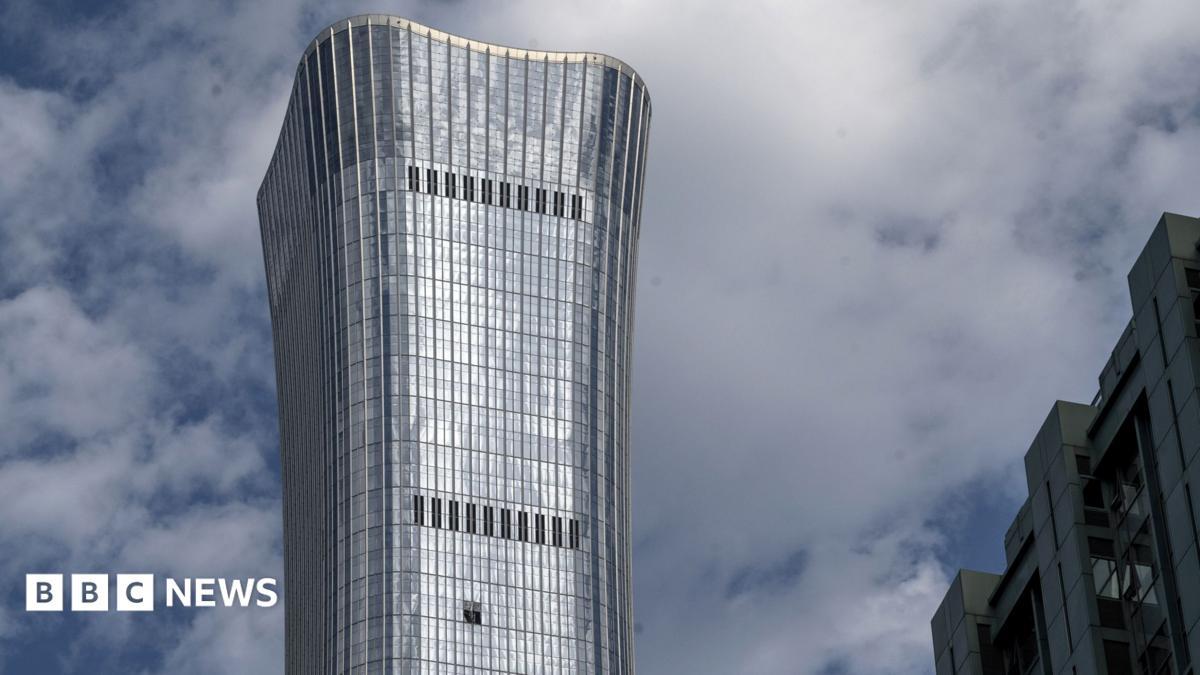
Pilot Liu Crashed Into CITIC Tower in Beijing, Authorities Say Personal Reasons
12 sources compared

Small Aircraft Crashes Into CITIC Tower In Beijing, Debris Falls From 109-Story Building
10 sources compared