
China Pushes China-Myanmar-Bangladesh Corridor From Kunming to Kyaukpyu, Aiming for Indian Ocean Access
Key Takeaways
- Beijing aims to build BCMEC linking Bangladesh, Myanmar, and China to boost regional connectivity.
- China says BCMEC remains open to other countries joining, including potential India participation.
- Bangladesh and China pledged deeper cooperation during Tarique Rahman's China visit, including shared-future framework.
Corridor, stability, leverage
China’s role in Myanmar’s conflict and its push for connectivity are intertwined, with Antoine Védeilhé saying Beijing “veut de la stabilité à sa frontière” and that “la Chine a besoin d'un régime stable et d'un régime en place qui lui est favorable pour continuer ses affaires dans la région.”
“Asialyst is designed by a team composed entirely of volunteers and thanks to a network of contributors in Asia or elsewhere, journalists, experts, academics, consultants or former diplomats”
Védeilhé links Chinese interests to the China-Myanmar economic corridor that would connect Kunming to Kyaukpyu, describing it as a way for China to reduce reliance on the Malacca Strait and gain direct access to the Indian Ocean.
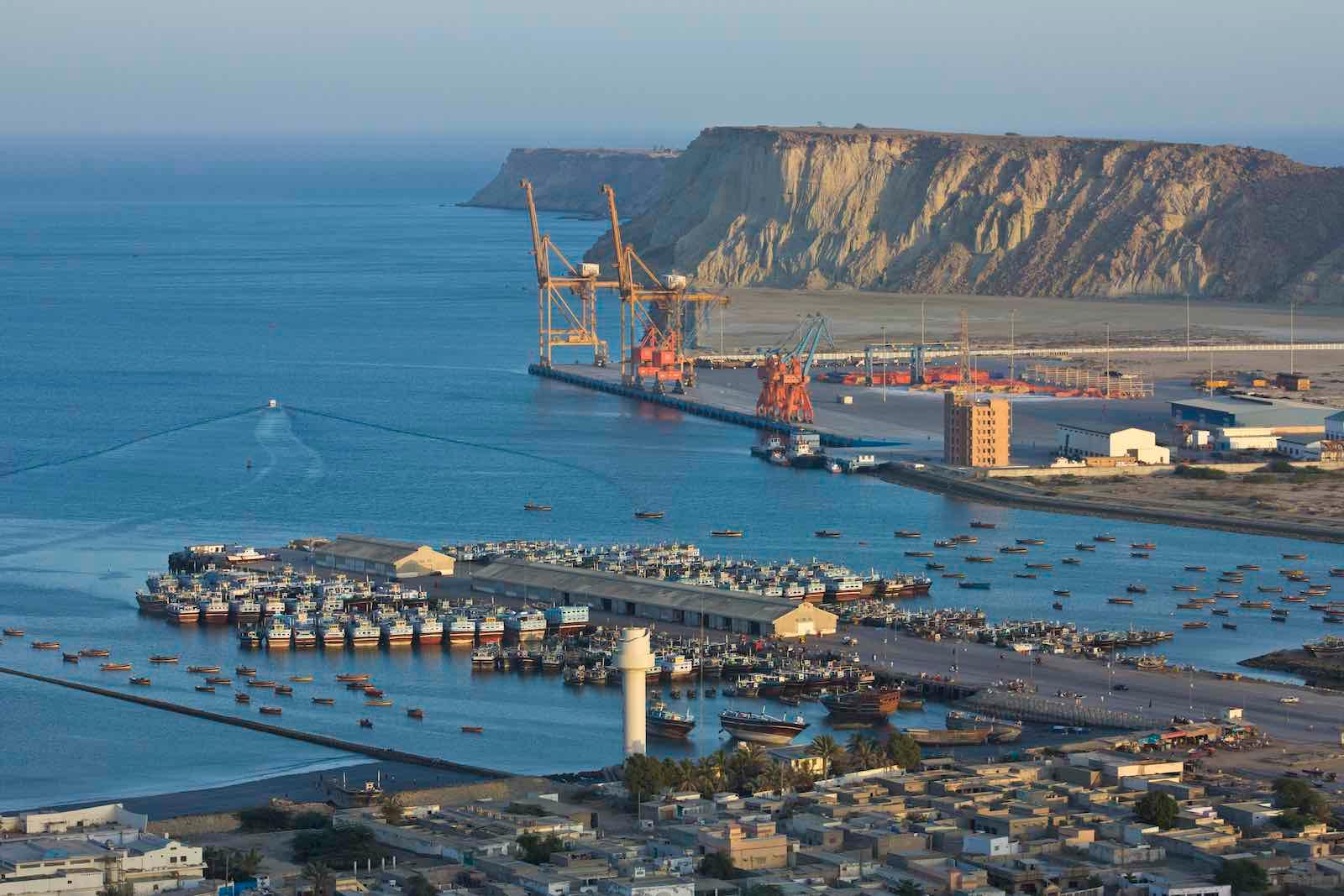
The same corridor logic is now being extended toward Bangladesh, with Prime Minister Tarique Rahman returning from China on June 26 after a four-day visit that produced agreements aimed at expanding Bangladesh-China cooperation and discussing a proposed China-Myanmar-Bangladesh Economic Corridor.
Bangladesh’s Foreign Minister Khalilur Rahman said on June 27 that Bangladesh was “currently examining” the proposal and had “taken no position” on it, while adding that any overland connectivity through Myanmar would remain conditional on the restoration of peace and stability in Rakhine State.
In parallel, the rift inside Myanmar is presented as a practical obstacle, with the Arakan Army controlling about 14 of the state’s 17 townships and Kyaukphyu described as under active siege conditions with fighting within approximately two kilometres of key junta naval bases and infrastructure.
Open to others, conditional
Chinese officials framed the corridor as open-ended, with Chinese Ambassador to Bangladesh Yao Wen telling reporters, “We are open. We welcome other countries if they are ready.”
Yao Wen also said the initiative could proceed because “Since China and Bangladesh both want greater regional connectivity, and Myanmar shares the same intention, the three countries can start the initiative together,” while describing Tarique Rahman’s visit as a “complete success” and a “historic milestone.”

At the same time, Bangladesh’s position is described as conditional, with Khalilur Rahman saying on June 27 that any overland connectivity through Myanmar would remain explicitly conditional on the restoration of peace and stability in Rakhine State.
The Daily Star’s account ties the corridor’s feasibility to the security situation in Myanmar, noting that Rakhine State is “now largely outside the effective control of Myanmar's military government” and that the Arakan Army controls about 14 of the state’s 17 townships.
In Bangladesh, the project is also presented as a potential logistics shortcut, with Commerce, Industries, Textiles and Jute Minister Khandakar Abdul Muktadir saying on 28 June that Bangladesh can transport goods to China within 24 hours by road if it becomes part of the China-Myanmar economic corridor.
What’s at stake next
The corridor’s next steps are described as moving from political consensus to implementation planning, with Yao Wen saying officials from both countries would work on a roadmap to implement the economic corridor following the consensus reached by Chinese President Xi Jinping and Prime Minister Tarique Rahman.
“Marking a new milestone in bilateral relations, Myanmar's President Min Aung Hlaing made his first state visit to China from June 15 to 19, opening a new chapter of deeply pragmatic, multifaceted cooperation between the two neighboring countries”
In the same framing, Yao Wen rejected any idea of converting the corridor into a humanitarian corridor, saying, “Our purpose is purely on connectivity and economic development. We don’t have any mind as you mentioned, it is not in the domain of discussion on it,” and adding, “China will never interfere in the internal affairs of any country.”
The stakes are also tied to concrete infrastructure already in motion and disrupted, including a China-backed power plant at Kyaukphyu described as a $140 million facility that was progressively dismantled and relocated beginning in late 2024, with the pace accelerating into early 2026 as fighting drew closer.
The Kyaukphyu port project is described as facing repeated delays, with memorandums of understanding signed with China’s CITIC Group as far back as 2009 and a formal award through an international tender in December 2015 at an original estimated value of $7.3 billion before Myanmar’s civilian NLD government renegotiated the terms in 2018 to scale the project down to about $1.3 billion.
Against that backdrop, the corridor’s broader regional implications are presented as a way to reduce reliance on longer maritime lanes such as the Malacca Strait and provide landlocked Yunnan Province direct access to Bangladeshi ports, while Bangladesh’s cabinet approved an 800-acre Chinese industrial park in Chattogram expected to strengthen bilateral economic ties.
More on China
NATO Faces A Moment Of Truth As Trump Presidency Widens Transatlantic Fault Line
10 sources compared

EU Tightens Steel Safeguards And Parcel Rules Against China From July 1, 2026
10 sources compared

Pilot Liu Crashed Into CITIC Tower in Beijing, Authorities Say Personal Reasons
12 sources compared

Small Aircraft Crashes Into CITIC Tower In Beijing, Debris Falls From 109-Story Building
10 sources compared