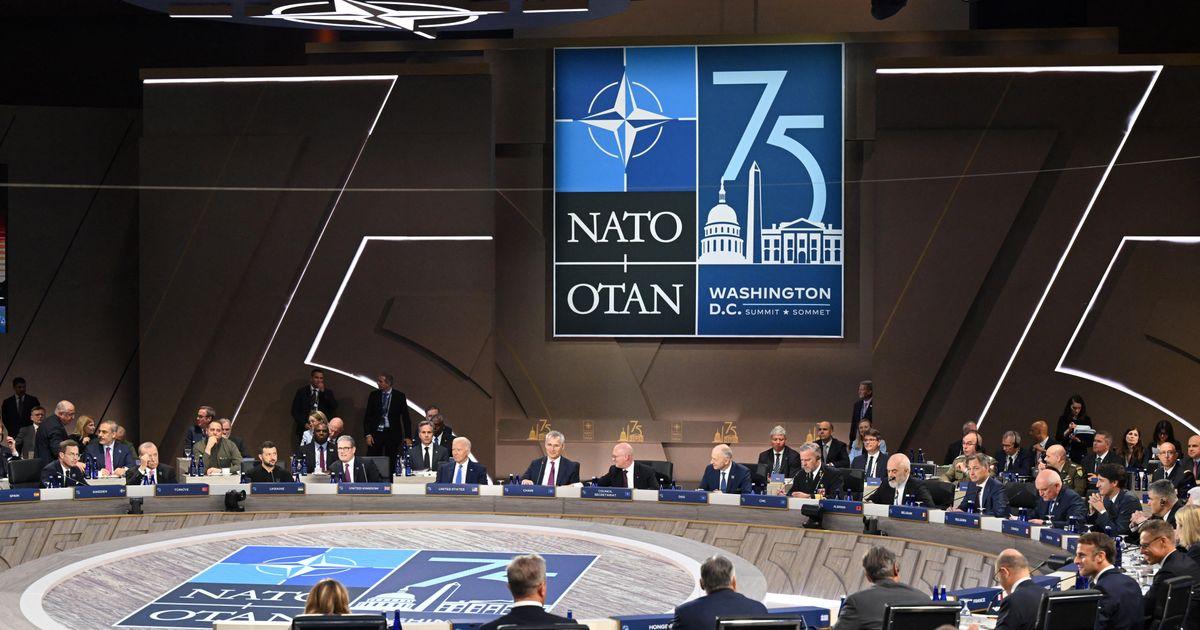
NATO Faces A Moment Of Truth As Trump Presidency Widens Transatlantic Fault Line
Key Takeaways
- Trump widens transatlantic fault line, testing NATO cohesion and Europe’s security guarantees.
- Europe pressured to boost defense spending toward 5% of GDP to share burden.
- US National Defense Strategy signals redefined alliance commitments amid Russia threats.
NATO under strain
A Challenges article frames NATO as facing a “moment of truth” as the transatlantic fault line widens under the new Trump presidency, arguing that the American security guarantee seems “more fragile than ever.”
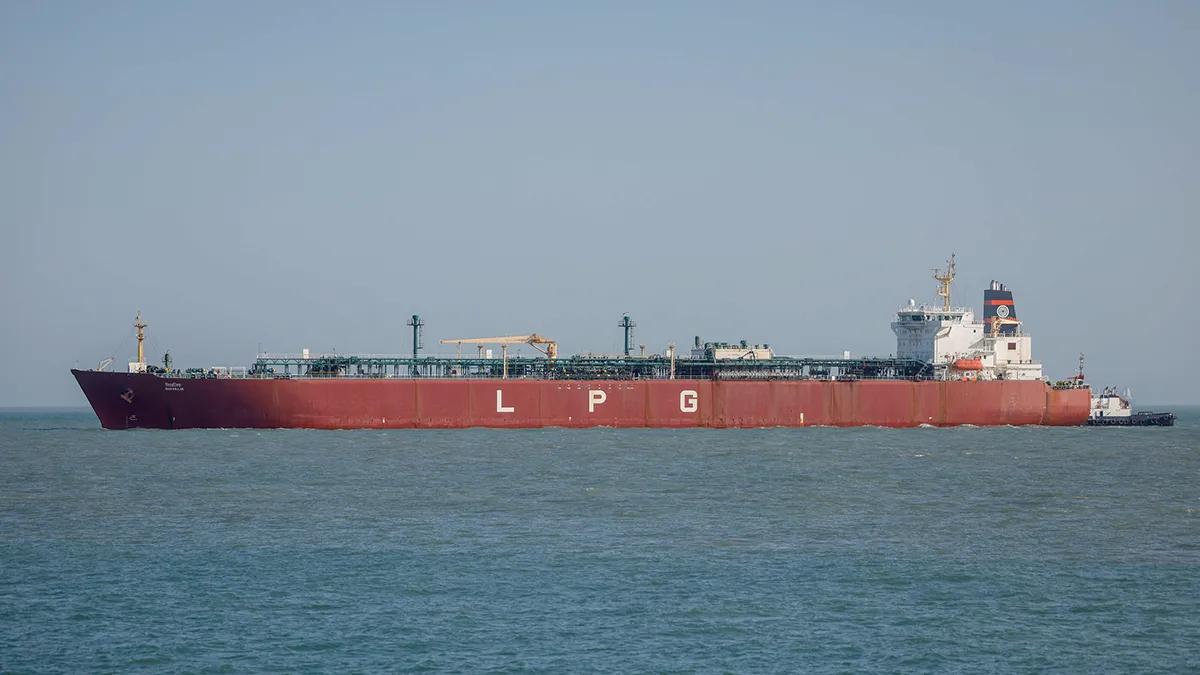
“The war that President Donald Trump launched against Iran, promising it would be quick and decisive, has entered a far more complex phase, marked by an unexpected reversal: the urgent need for international support to sustain the war effort and, above all, to guarantee the security of one of the planet’s most critical energy arteries, the Strait of Hormuz”
The piece says the alliance has weathered crises across its seventy-five years, but that the war in Ukraine has “deeply destabilized the regional landscape” since February 2022.
It links the deterioration to “Brexit, Trump’s first election, and the Covid crisis,” and adds that the rise of new powers, notably from China, has intensified competition where alliances prove “more fragile than ever.”
The article also argues that the “empire of norms” Europe promoted weakened, making room for state predators including Russia, China, Turkey, or Azerbaijan, and it describes a return to power politics as the end of a Western legal and cultural domination.
In that framing, the Global South is described as diverse but gathered in opposition to Western domination, while the West’s cohesion is said to have “frayed so much” that adversaries can regain autonomy.
Trump and peace rhetoric
Courrier international reports that Donald Trump sent a message to Norwegian Prime Minister Jonas Gahr Støre saying, “You did not give me the Nobel Peace Prize, so I will not refrain from waging war.”
The same article says the message was disclosed by Nick Shifrin, the PBS journalist responsible for international news for PBS, and that Norwegian Prime Minister Jonas Gahr Støre confirmed it on Monday, January 19.
It adds that Trump’s message responded to a “short message addressed to President Trump earlier in the day, from me and from the Finnish president, Alexander Stubb,” according to Jonas Gahr Store.
Courrier international then quotes Jonas Gahr Store’s reply that “it is an independent Nobel committee, and not,” and it describes the dispute as tied to Trump’s desire to receive the Nobel Peace Prize.
The article’s narrative places the exchange within a broader theme of Trump’s approach to peace and war, as the president’s refusal to “refrain from waging war” is presented as conditional on the Nobel decision.
AI leverage and alliance terms
Yalibnan reports that President Trump is redefining what it means to be a U.S. ally in the AI era by making frontier AI models, chips, and infrastructure “new instruments of American influence.”
“You did not give me the Nobel Peace Prize, so I will not refrain from waging war”
The article says the Trump administration is blocking allies from accessing the world’s most powerful models and that, with export controls on Fable and Mythos lifted on Tuesday, Anthropic and the Trump administration are continuing Project Glasswing efforts to give access to Mythos to 150 more organizations across more than 15 countries.
It quotes Trump saying, “The problem we have is that we are leading everybody by a lot,” and adds that he told Europe it “has to be very careful. They’re losing their way entrepreneurially.”
Yalibnan also includes European Commission spokesperson Thomas Regnier saying the bloc is looking forward to “intensifying” discussions with Anthropic to gain access to Mythos through Project Glasswing while noting that “our sovereign legislation is not up for negotiation.”
The piece concludes by describing the transactional approach as the U.S. simultaneously rejecting Europe’s AI rules, inking deals to secure supply chains, and blocking access to cutting-edge technology, while allies adjust to being “trusted U.S. partners only in some cases.”
More on USA

Elbridge Colby Email Outlines U.S. Sanctions, Including Suspending Spain From NATO Over Iran War Support
14 sources compared
Zohran Mamdani Urges New Yorkers to Set AC to 78 Degrees as Heat Wave Hits
13 sources compared

House Democrats Accuse Trump-Linked Fundraisers of Fraud Over America 250 Donation Diversion
30 sources compared
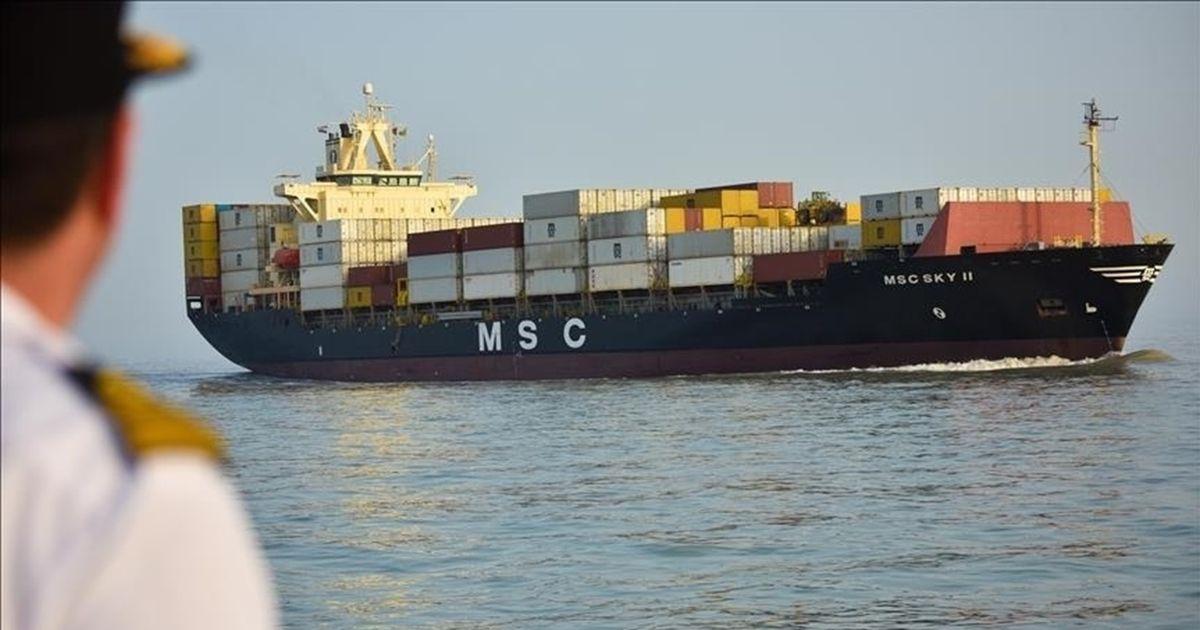
U.S. Central Command Begins Blockading Strait of Hormuz, Iran Denies American Ships
12 sources compared