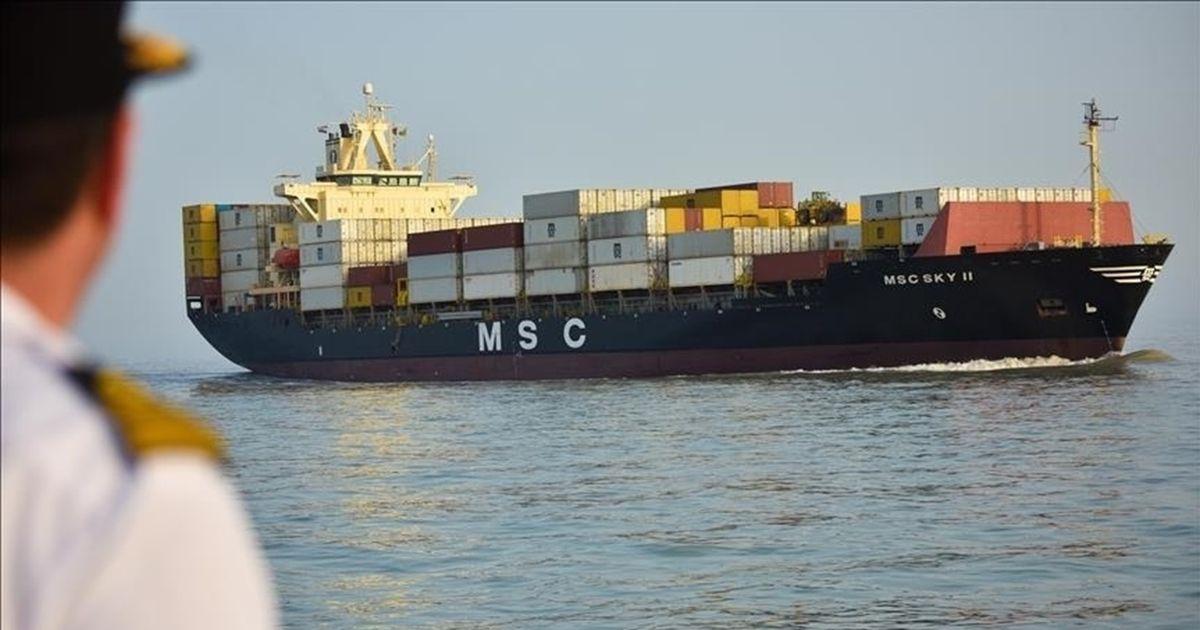
U.S. Central Command Begins Blockading Strait of Hormuz, Iran Denies American Ships
Key Takeaways
- CENTCOM announced blockade of Strait of Hormuz would begin April 13.
- Iran denies the United States has begun blocking Hormuz.
- Traffic through Hormuz remains active; Tabnak reports 31 ships, Arabi21 notes an increase.
Blockade and competing claims
The United States began blockading the Strait of Hormuz starting on Monday, with U.S. Central Command saying the operation would “confirm the blockade of all maritime traffic entering Iran's ports or leaving them.”
“Toggle Play Trump says record boats leaving Hormuz, calls communism ‘biggest threat' US President Donald Trump arrived in North Dakota aboard ‘the Freedom 250 Train’ for the Theodore Roosevelt Presidential Library dedication”
CENTCOM said the blockade would be carried out “impartially against ships of all nations” that enter Iran’s ports or coastal areas or depart from them, while also stressing that U.S. forces would not interfere with freedom of navigation for ships bound for non-Iranian ports.

In the same period, an American official told Axios that several U.S. Navy ships passed through the Strait of Hormuz “without coordination with Iran,” while Iran’s official television denied the claim and said no American ships had passed.
The dispute also fed into the ceasefire’s fragility, with the U.S. operation described as reviving concerns about a return to war after a ceasefire established on April 8 between Iran and the United States.
Trump, fees, and oil
Trump said the final agreement with Iran cannot include any fees on ships passing through the Strait of Hormuz, telling reporters at the White House, “Yes, this is unacceptable to me, because we have many other straits.”
Reuters reported that the memorandum of understanding between the United States and Iran prohibits Iran from charging for passage through the Strait of Hormuz during the sixty-day negotiating period, while Mohammad Bagher Ghalibaf said on June 17 that “The Strait of Hormuz will not return to its state before the war.”
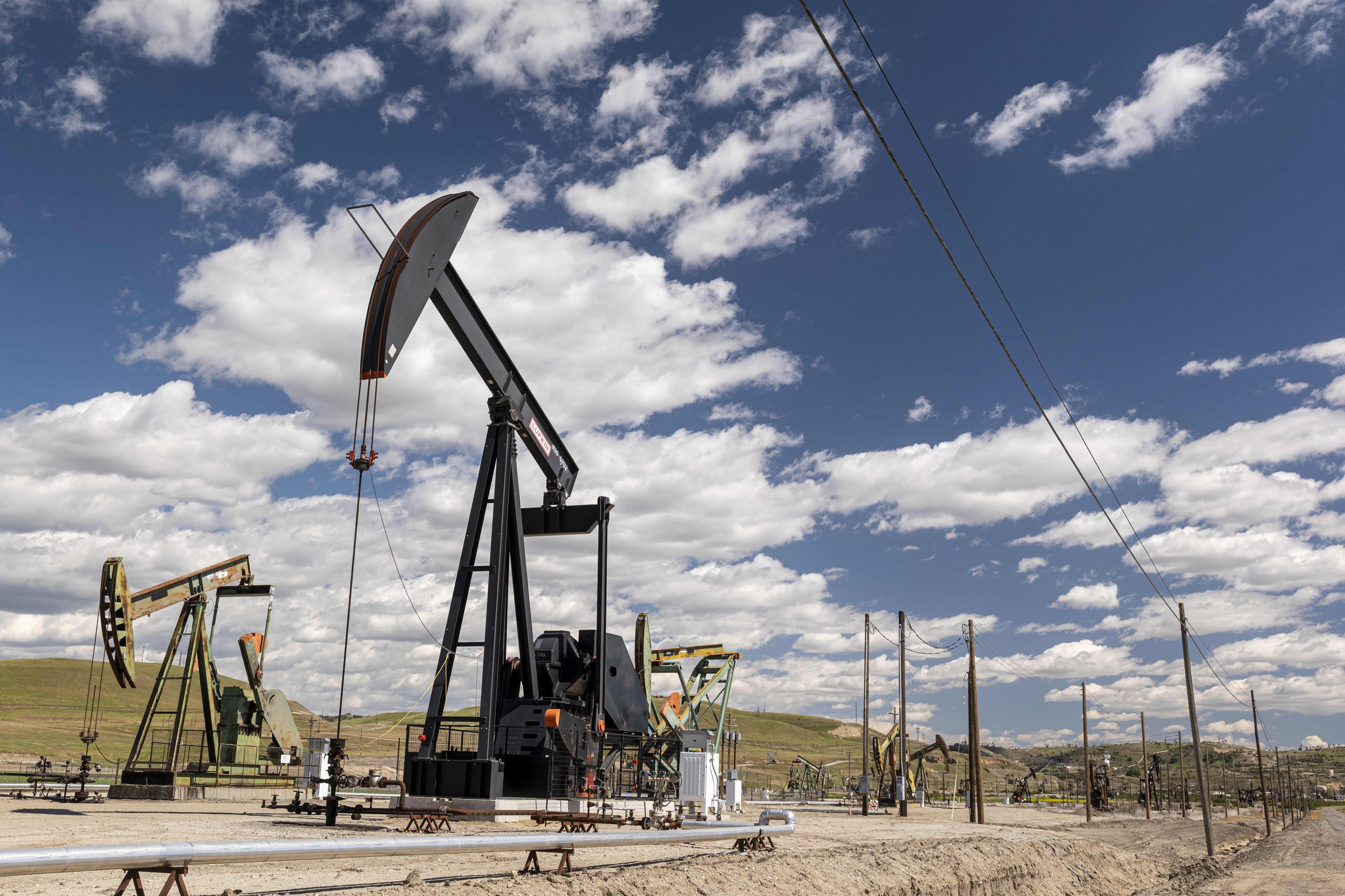
As the U.S. and Iran posture shifted, the U.S. Strategic Petroleum Reserve fell to about 374 million barrels, the lowest level since July 2024, after a record draw of 9.9 million barrels in the past week.
The same period was tied to gasoline and diesel costs in the United States, with NBC News reporting the average price of regular unleaded gasoline at $4.50 per gallon on Tuesday and diesel fuel at $5.64 per gallon, according to data from the American Automobile Association (AAA).
Navigation resumes, stakes rise
Despite the tensions, shipping data showed a surge in traffic through the Strait of Hormuz, with Kpler recording at least 37 cargo ships transiting on Monday and AXS Marine logging 42 transits on the same day.
“According to Tabnak, citing the Public Relations of the IRGC Navy; in the past 24 hours, 31 vessels, including oil tankers, container ships, and other commercial ships, transited the Strait of Hormuz with coordination and security provided by the IRGC Navy”
Mikhail Todorov of AXS Marine told AFP that this “may be one of the clearest indicators so far of traffic returning to normal gradually,” while IRNA quoted senior Iranian negotiator Mohammad Bagher Qalibaf saying the situation “will not return to what it was before the war.”
The stakes for the United States and global markets were reflected in the Strategic Petroleum Reserve draw and in the warning that global commercial oil inventories were falling rapidly, with the IEA saying markets had only enough supply for a few weeks amid ongoing supply disruptions.
In the background of the U.S.-Iran confrontation, the U.S. and Iran memorandum of understanding was described as aimed at ending the war, while the ceasefire’s future remained uncertain as both sides exchanged missiles earlier in the week and investors awaited Doha talks between the United States and Iran.
More on USA

Elbridge Colby Email Outlines U.S. Sanctions, Including Suspending Spain From NATO Over Iran War Support
14 sources compared
NATO Faces A Moment Of Truth As Trump Presidency Widens Transatlantic Fault Line
10 sources compared

Zohran Mamdani Urges New Yorkers to Set AC to 78 Degrees as Heat Wave Hits
13 sources compared

House Democrats Accuse Trump-Linked Fundraisers of Fraud Over America 250 Donation Diversion
30 sources compared