Iran07 July, 20262 min read
Foreign Media Granted Rare Visas To Cover Ayatollah Ali Khamenei Funeral Rites In Tehran
Rare visas granted to foreign media for Khamenei funeral; 400 influencers invited (Washington Post; IranWire). Over 20 Russian journalists traveled to Tehran to cover the funeral (IRNA).
Funeral, visas, mourning
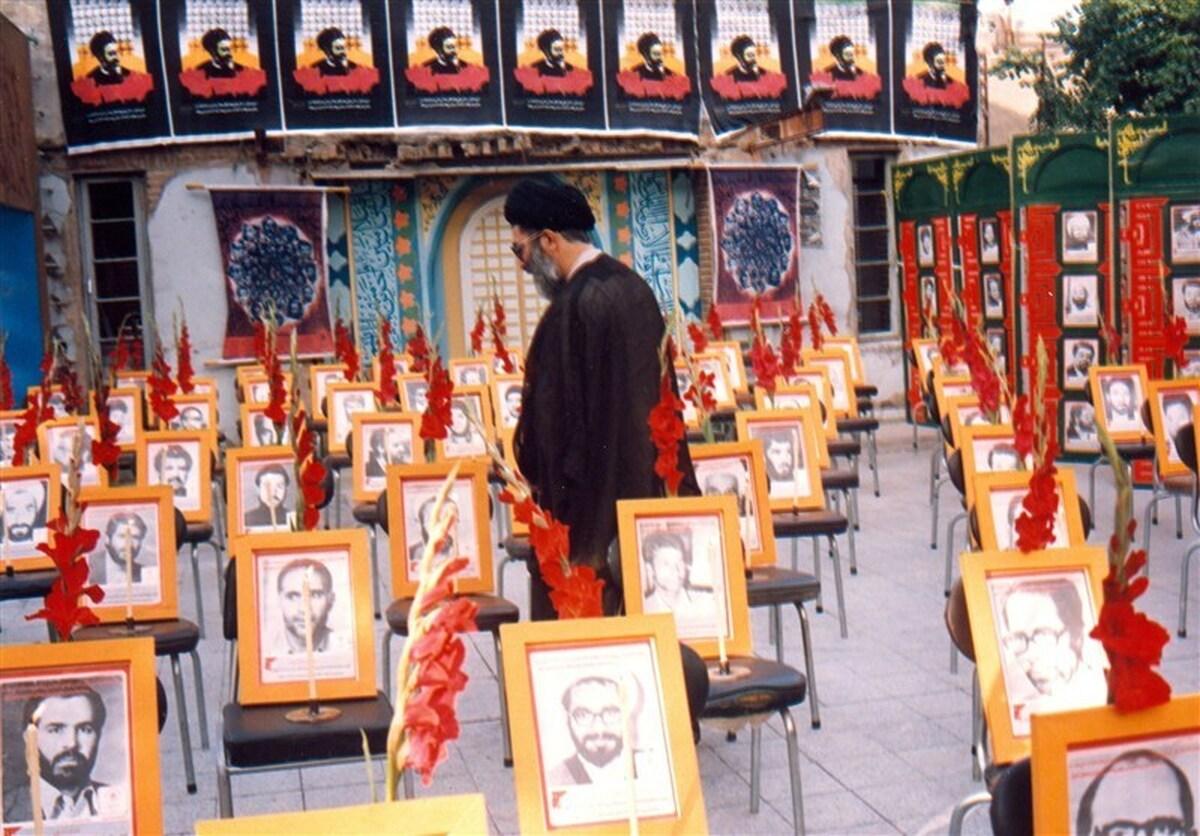
Foreign media were granted rare visas to cover Ayatollah Ali Khamenei’s funeral rites in Tehran, where Susannah George wrote that Iran’s “turn to harder-line postwar politics has been on full display during funeral rites” for the assassinated supreme leader. The Washington Post described the funeral as featuring “calls for revenge amid national mourning,” and it tied the scene to “the assassination of Ayatollah Ali Khamenei and other Iranian leaders.”
Iranian state-linked coverage also framed the event as a major international communications moment, with Mehr News Agency saying the funeral “had become a strategic event in the arena of international political communication.” Mehr News Agency added that the Islamic Republic sought to convey “a set of strategic messages to the world through imagery, popular presence, the orderliness of the ceremony, and international participation.”
Revenge rhetoric and media
Al-Ayam News reported that Hamid Reza Moghadamfar, adviser to the Supreme Leader for cultural and media affairs, described revenge for Khamenei’s blood as “a collective duty and a perpetual demand of the nation,” and it added that “retribution and revenge are both an individual and a social responsibility and must be realized.” The same Al-Ayam News account said the adviser argued that “the issue of revenge has nothing to do with negotiations or understandings or war; under any conditions, revenge has its place,” and it presented the funeral as a setting where revenge “rose above the heads of tens of thousands of mourners.”
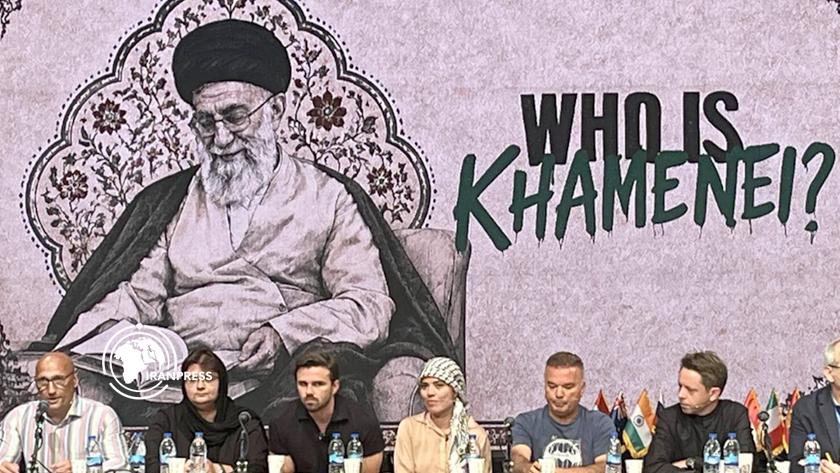
In parallel, iranpress said an expert session titled “Who is Khamenei?” took place on Tuesday morning, July 7, at the Soureh Hall with international media figures in attendance, and it described the funeral as “The Largest Funeral of the Century.” Iranpress quoted American journalist Patrick Henningsen, saying the phrase “must rise” was “the most fitting characterization of recent days,” and it said what he witnessed “transcends a mere political event.”
International presence and stakes
IRNA English reported that Iran’s Ambassador to Russia, Kazem Jalali, announced that “over 20 journalists” from various Russian media outlets traveled to Tehran to cover the farewell and funeral ceremonies for Ayatollah Seyyed Ali Khamenei. IRNA English said Jalali told IRNA that the presence of Russian journalists reflected the “strategic importance of this event in regional and international equations,” and it described the coverage as “one of the most extensive Russian-language media coverages of an official event.”
Mehr News Agency argued that the funeral’s first message was “the display of the continuity and stability of the Islamic Republic’s political structure,” and it said the multi-day ceremony showed “the continued normal functioning of governmental institutions.” Mehr News Agency also said the second message was “the display of social capital and the capacity for mass mobilization,” adding that the “massive popular presence at the ceremony” conveyed that Iran “still enjoys considerable capacity for social organization.”