Iran08 July, 20263 min read
U.S. Launches New Strikes Against Iran After Three Merchant Ships Hit in Strait of Hormuz
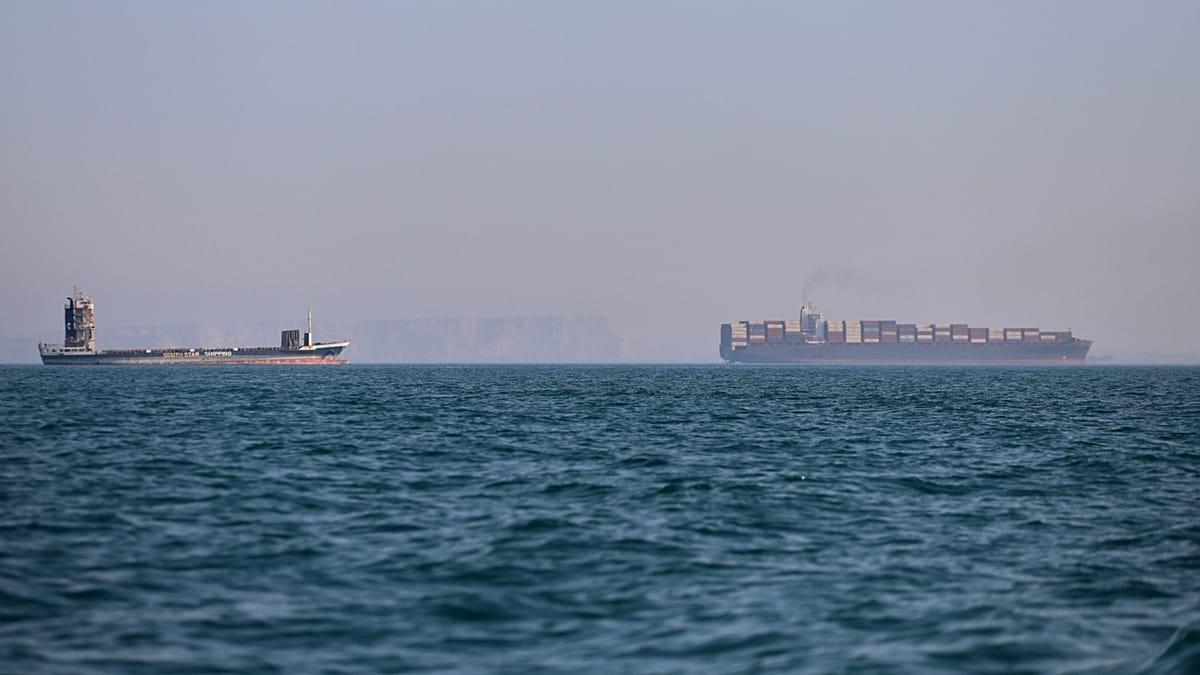
Three tankers attacked in the Strait of Hormuz within 24 hours. The United States launched a series of powerful strikes against Iran in response.
BBC was read line by line by the Watchdog: 3.9. See the score →
Strikes After Ship Attacks
The U.S. military launched new strikes against Iran early Wednesday after three merchant ships were hit in the Strait of Hormuz, in the latest exchange of fire tied to efforts to end the war between Washington and Tehran.
“American forces launched the strikes ‘to impose heavy costs for targeting and attacking commercial shipping crewed by innocent civilians in an international waterway.’”
AP reported that U.S. Central Command said American forces launched the strikes “to impose heavy costs for targeting and attacking commercial shipping crewed by innocent civilians in an international waterway.”

AP also said one U.S. official described targeting of Iranian air defense systems, coastal surveillance systems, ground-to-air missiles, and launch sites for anti-ship cruise missiles and drones, with Iranian port facilities also being targeted.
The Washington Post said U.S. Central Command began “powerful strikes” after attacks on vessels that had been “crewed by innocent civilians” in the Strait of Hormuz, and it framed the waterway as central to tensions between Washington and Tehran for months.
The BBC reported that the tankers were damaged within a 24-hour period on Monday and Tuesday, and it said no casualties were reported.
Iran, Qatar, and Threat Levels
Iran’s deputy foreign minister, Kazem Gharibabadi, said in a post on X that the new U.S. attacks were a violation of the agreement, while the Iranian Foreign Ministry condemned the U.S. move to revoke a license as violating the interim deal. AP quoted the Iranian Foreign Ministry statement saying it “violates the interim deal and that “the U.S. government bears responsibility for the consequences of this breach of commitment.” Qatar and Saudi Arabia denounced the attacks, with the BBC reporting Qatar’s foreign ministry spokesperson Majed Al Ansari said it held Iran “fully responsible” for an apparent targeted attack on a vessel called Al-Rekayyat.
The BBC also reported that Iran’s foreign ministry spokesman Esmail Baghaei described Qatar’s accusations as “contrary to the principle of good neighbourliness,” and he added that commercial vessels using routes not co-ordinated with Iran face a risk of collision. Separately, Al Jazeera said maritime authorities raised the threat risk for vessels transiting the Strait of Hormuz to “severe,” and it quoted JMIC saying mariners should expect continued naval presence and more intense hailing by the Islamic Revolutionary Guard Corps.
Oil Waiver Revoked, Talks at Risk
Alongside the strikes, the U.S. revoked a license that had authorized the sale of Iranian oil as part of the interim deal, with the BBC saying the Treasury revoked a sanctions waiver that had temporarily lifted oil sanctions on Iran.
AP reported that the license issued by the U.S. authorized the production, delivery and sale of Iranian oil through Aug. 21, and it said the renewed assaults were the most in a single day since late April, according to the U.N. International Maritime Organization.
USA Today said the Treasury Department’s July 7 revocation jeopardized the preliminary peace deal, and it described the 14-point memorandum signed in June as “entirely performance-based” with Iran reaping benefits only if it follows the terms.
The BBC reported that the notice published on the Treasury’s website allowed a wind-down period to 17 July for transactions allowed under the waiver, while Iran’s foreign ministry said the move proved “the bad faith, inconsistency, and unreliability” of the U.S. government.
In parallel, the BBC said the renewed attacks threatened to choke off the flow of traffic in the strait just as countries hoped to restore normal shipping practices and ease the global economic strain of the war, and it tied the dispute to the interim deal’s goal of reopening the strait.