Ukraine Warupdated 24m ago2 min read
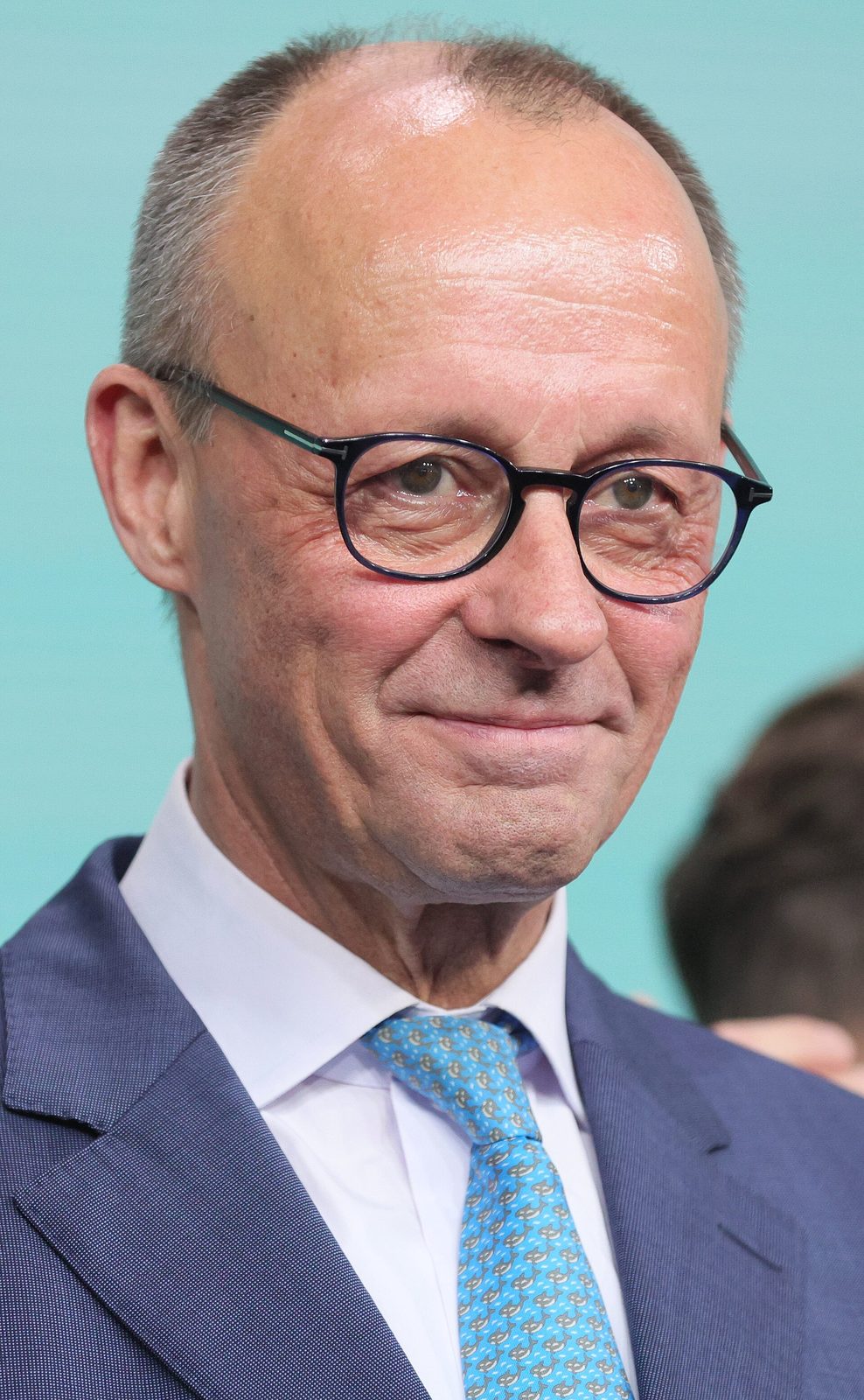
Archive photo · 23 February 2025Friedrich Merz Rejects “Yalta-Style” Talks Excluding Ukraine After Trump Meets Putin and Xi
“I think this is normal, and so I’m absolutely not worried.”
“The meeting was referred to as ‘Yalta 2.0’ in some European media outlets.”
Photo: Sandro Halank, Wikimedia Commons, CC BY-SA 4.0, CC BY-SA 4.0 · Cropped for layout
This article is an automated aggregation of coverage from news outlets. Our editorials offer in-depth analysis curated by the NewsCord team.
Merz says a Yalta-style format excluding Ukraine won't bring peace. European allies insist Europe and Kyiv have seat at peace negotiations after Shenzhen talks.
Save coverage image
Berlin rejects Yalta talks
German Chancellor Friedrich Merz told reporters that a “Yalta-style format will not bring peace” after hosting Ukrainian President Volodymyr Zelenskyy and US special envoys Jared Kushner and Steve Witkoff in Berlin. Merz said “Negotiations involving Ukraine and Europe can only succeed if conducted together,” and he warned that talks between the US and Russia that exclude Kyiv and the Europeans “will not succeed.”
“‘Negotiations involving Ukraine and Europe can only succeed if conducted together.”
Merz hosted the meeting after US President Donald Trump met Russian President Vladimir Putin and Chinese President Xi Jinping in China, and the Berlin gathering was described as a “Coalition of the Willing” summit. Merz also said he gave each guest a piece of the Berlin Wall and argued that “the Berlin Wall brought oppression, insecurity, and discord,” while he urged: “President Putin, end the war in Ukraine, and let us work together to find diplomatic solutions.”
Kushner seeks Europe at table
Jared Kushner told Reuters that Trump wanted a peace deal with Europe at his side and that Russia had agreed to engage in multilateral talks with Europe. Kushner said Trump was open to security guarantees for Ukraine based on the NATO alliance's Article 5 mutual defence agreement, adding, “From America's perspective, giving an Article 5-like security guarantee is a really, really big deal.”
Ukrainian President Volodymyr Zelenskiy said Europe had to be included in peace talks, and he told journalists, “It has to be clear, not only to partners but to people, society, investors.” Polish Prime Minister Donald Tusk rejected Trump’s approach, saying, “Mr Putin is not our friend and will never be,” after Trump embraced Putin as a “friend” at the Shenzhen summit.
Next steps and unresolved format
The Berlin meeting brought together leaders of Germany, France, Britain, Poland, Italy and NATO, along with US special envoys Steve Witkoff and Jared Kushner, as European allies warned against deciding a peace over their heads. Reuters reported that Merz told reporters leaders would not allow Europe to be divided up and sought to downplay the Shenzhen summit as above all “a photo opportunity.”
Reuters also said Russia suggested European envoys come to Moscow, with Putin saying China, the US and Russia should be involved, after Ukrainian attacks on the road bridge linking Crimea to Russia. The sources described the dispute over format as ongoing, with Zelenskiy saying there was “no clarity” on how Article 5-based security guarantees would work and with Merz insisting negotiations must include Ukraine and Europe together.