FRLD Board Meets in Manila as Loss And Damage Fund Faces $2.8 Billion Shortfall
Key Takeaways
- FRLD faces a US$2.8 billion funding gap as board meets in Manila.
- Board meeting shapes FRLD grant-based support delivery, transparency, and country access.
- Funding gap jeopardizes the Fund's ability to help vulnerable nations cope with climate disasters.
Manila board faces $2.8bn gap
The Fund for Responding to Loss and Damage (FRLD) board met in Manila for a pivotal three-day session to shape how the Loss and Damage Fund delivers grant-based support, transparency and country access during its first major funding cycle.
“On the margins of the African Development Bank Group's 2026 Annual Meetings, a High-Level Dialogue titled "Africa's Leadership on Climate: Financing the Transformation, Strengthening Partnerships, and Charting the Path to COP32" brought together senior leaders from governments, multilateral institutions, climate funds, the private sector, and civil society to advance Africa's climate and development agenda”
Climate finance advocates tracking the process said vulnerable developing countries submitted requests totaling approximately $2.8 billion, while the fund currently has an initial allocation of around $250 million.
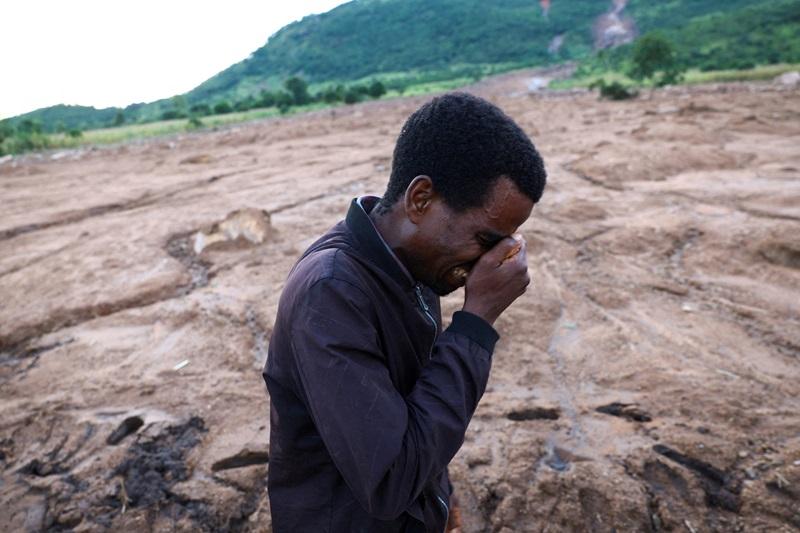
The Climate Watch said the Manila meeting began on Wednesday and that, as of the ninth board meeting in July 2026, the FRLD is processing 176 formal submissions from vulnerable developing countries.
Eco-Business reported that the FRLD began accepting applications on 15 December under its Barbados Implementation Modalities (BIM) pilot phase, and that the scheme offers grants of US$5 million to US$20 million for developing-country projects.
Eco-Business also said the ninth FRLD board meeting ran from 8 to 10 July at the Asian Development Bank headquarters and that co-chair Richard Sherman said the BIM funding call drew roughly US$2 to 3 billion in requests.
Integrity, transparency, and access
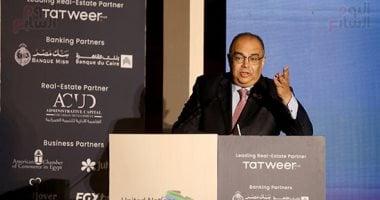
Dr. Mahmoud Mohieldin, the United Nations Special Envoy on Financing for Development, said climate finance is no longer limited to the amount of money announced or pledges issued, and linked credibility to funding quality, transparency and reach to sectors and communities most in need.
Mohieldin stressed that there is a recurring gap between pledges and actual disbursements and argued that the global discussion should distinguish between grants, loans, investments, and blended finance instruments.

In the same Manila process, The Climate Watch said the board will finalize the Results Measurement Framework, the Country Support System and preparations aimed at strengthening transparency, accountability and equitable access within the fund.
Eco-Business reported that the board will consider the first four funding proposals, from Haiti, Nigeria, Jamaica and Côte d’Ivoire, which together amount to US$77.4 million.
Eco-Business also said Sherman told a press briefing ahead of the opening of the meeting that the board would discuss a resource mobilisation strategy to “fully address the needs of developing countries” and convert pledges made at COP28 in Dubai into binding agreements.
Implementation stakes and 2027 risk
African Development Bank Group leaders used the margins of the 2026 Annual Meetings to frame climate finance as an implementation challenge, with Kevin Kariuki saying, “Over the past fifteen years, we have mobilized more than a billion dollars in CIF resources.”
“Wamuyu Manyara is country director for Trócaire Malawi and Tarcizio Kalaundi is its climate resilience officer”
Kariuki added that this enabled “2.5 billion dollars in additional financing from the African Development Bank,” and that “for every CIF dollar, ten dollars of additional financing were mobilized.”
Tarie Gbadgisen said the next chapter for the Climate Investment Funds should be “broader in scope, faster in pace, and more focused on execution,” and Ibrahim Sheikh Dioung said the Loss and Damage (L&D) Response Fund must be “country-led, owned by the countries, and driven by the countries.”
Climate Home News warned that the FRLD also faces “the very real danger of running out of funding in 2027,” and said pledges to the Fund ($822 million) are just a fraction of 1% of annual loss and damage needs.
Climate Home News further said only around half of those pledges ($448 million) have been paid into the Fund so far, and argued that the Resource Mobilisation Strategy must bring in far more L&D finance with scale and accessibility.
More on Technology and Science
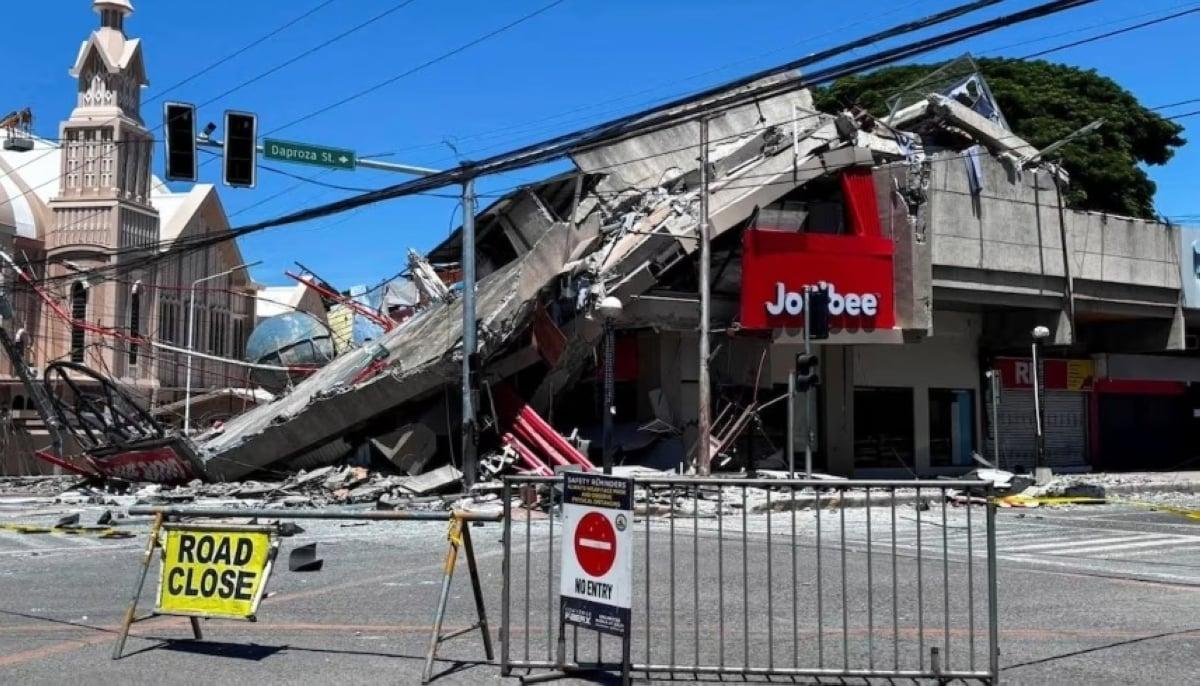
Typhoon Bavi Kills At Least 15 in Philippines as It Threatens Taiwan and Japan
19 sources compared
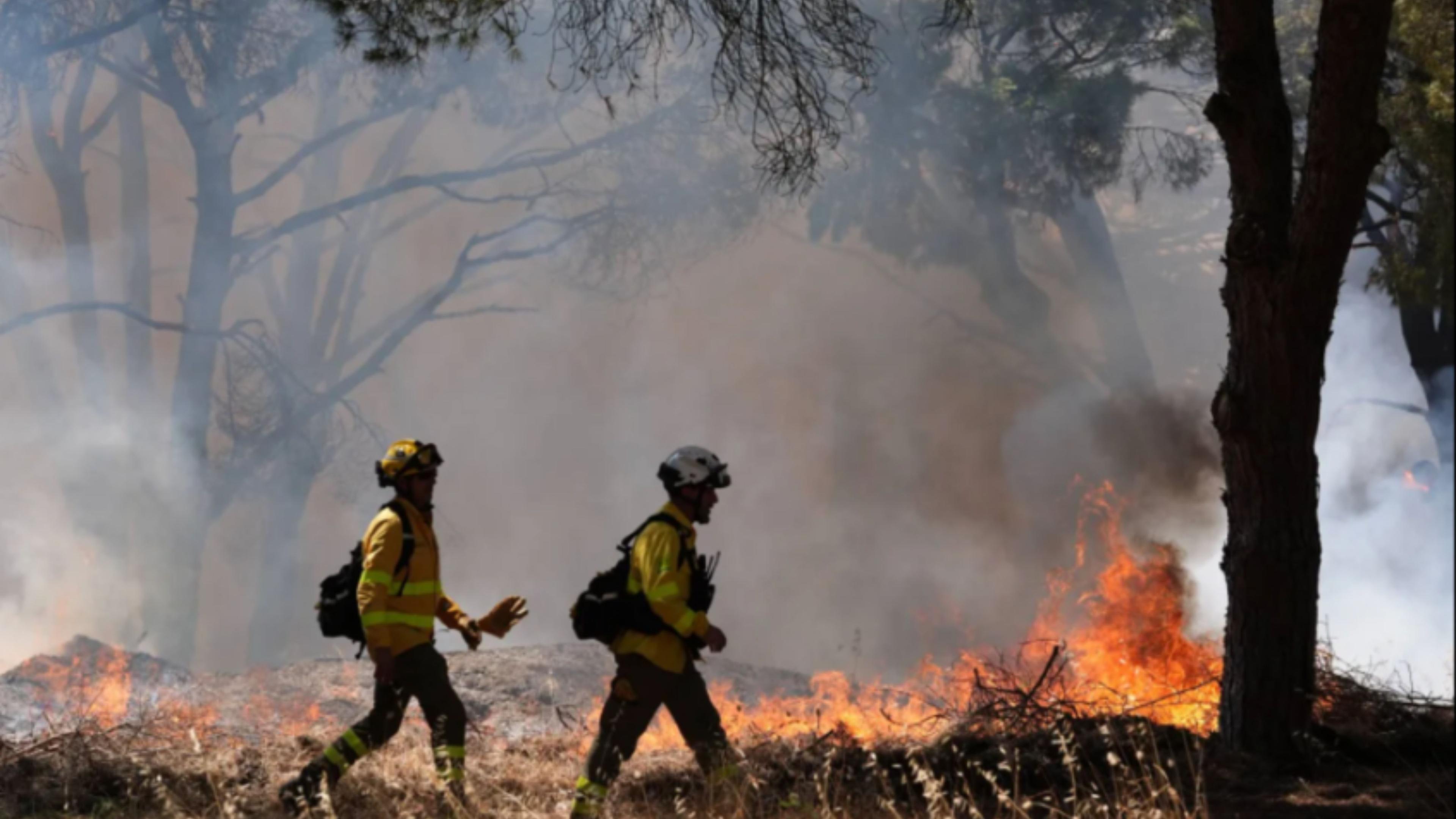
Wildfire Kills At Least 12 Near Los Gallardos, Leaving 23 Missing In Andalusia
41 sources compared

OpenAI Sunsets ChatGPT Atlas Browser, Pivots to ChatGPT Desktop App With ChatGPT Work
13 sources compared
FTC And Five States Reach 10-Year Right-To-Repair Settlement With Deere & Company
10 sources compared