
Gautam Dey Says H-1B Visa Delays Kept Him From Mother’s Final Moments
Key Takeaways
- Gautam Dey missed his mother's final moments in India due to visa delays.
- He wrote on LinkedIn about losing his mother, calling it his biggest regret.
- Visa delays prevented him from being with his mother during her final moments.
H-1B worker’s regret
An Indian American tech professional, Gautam Dey, says he will live with what he calls “Biggest regret of my life” after he lost his mother to stage 4 lung cancer while he was working in the United States on an H-1B visa and trying to secure a visa stamping appointment to travel back to India.
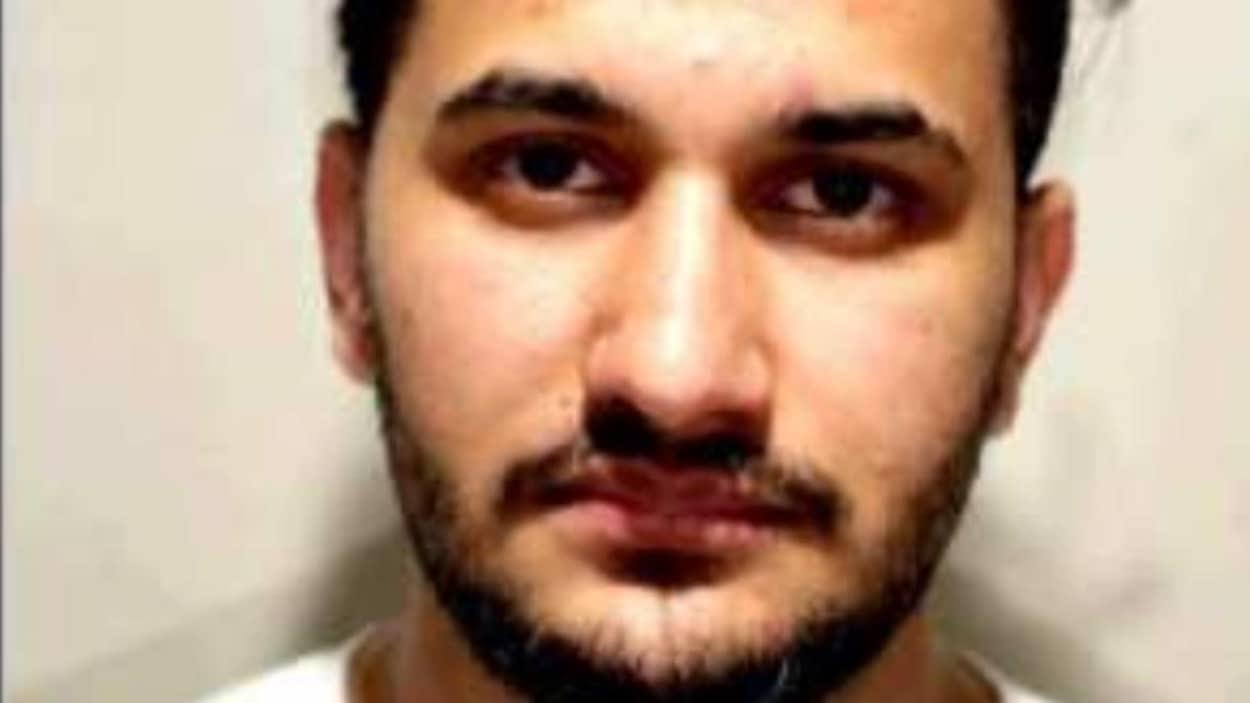
“Nearly four years after killing Nancy Lefrançois and her 11-year-old son on Highway 30, truck driver Baljeet Singh pleaded guilty to dangerous driving causing death on Wednesday at the Longueuil courthouse”
Dey posted on LinkedIn, writing: “Today I am writing this not as an engineer, not as an H-1B worker… I am writing this as a son.”
He said his mother was hospitalized for 17 days, and during that time he was “desperately trying to get a visa stamping appointment so I could travel to see her,” according to the account published by The American Bazaar and repeated by The Times of India.
Dey said he moved to the U.S. in 2007 after being invited by an American multinational for specialized software work, and he described his work as being tied to expertise “to solve a serious software problem and fix vulnerabilities that needed attention,” as quoted in The American Bazaar.
He also said he followed rules, paid taxes, built products, supported businesses, and raised a family in the country, but “when my mother was dying, none of that could help me reach her,” according to The American Bazaar.
In his account, the core barrier was the risk that leaving without an appointment could strand him outside the U.S., with Dey saying: “If I traveled without an appointment, I could be stuck outside the U.S. for months. I could lose my job, my legal status, and my family’s status,” as reported by The American Bazaar.
Dey said he tried repeatedly to obtain an emergency appointment, writing: “I sent hospital documents to the Consulate. I tried for 26 days to get an appointment. I refreshed, waited, prayed, and hoped. But time did not wait,” and he said his mother passed away before he could make it home.
The choice he described
Dey’s account, as carried by The American Bazaar and The Times of India, frames his inability to travel as a forced tradeoff between family and legal employment status under the H-1B system.
He wrote that he was “forced into an impossible choice: Be with my dying mother. Or protect the future of my children,” and he added: “No human being should ever be placed in that position,” according to The American Bazaar.
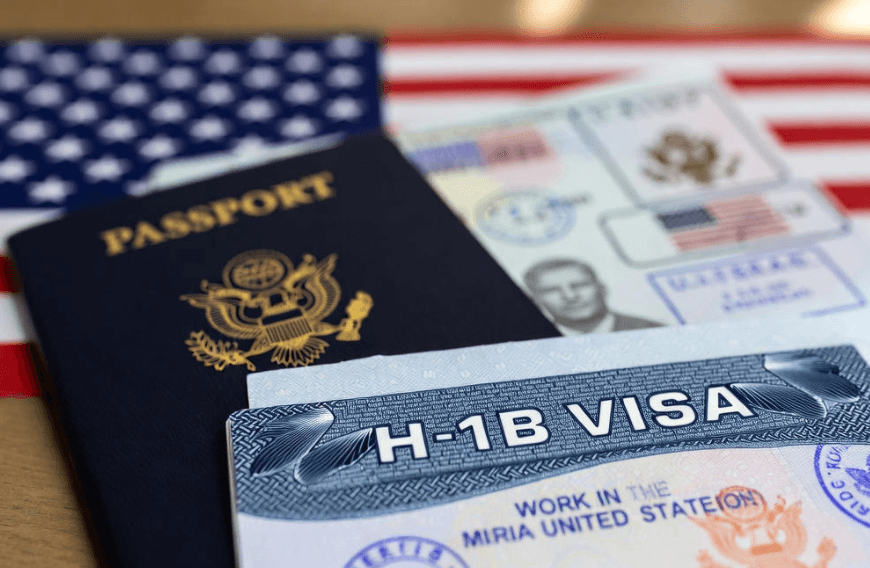
The American Bazaar also quotes him saying that if he traveled without an appointment, he could be “stuck outside the U.S. for months,” and that he could “lose my job, my legal status, and my family’s status,” which he presented as the reason he could not board a flight.
In the same narrative, Dey said he tried to secure an appointment by sending “hospital documents to the Consulate,” and he described a 26-day effort that included refreshing, waiting, praying, and hoping.
He said the outcome was that he could not reach India in time, and he described the final contact as mediated by technology: “I could only see her through a phone screen. I could only hear her voice over the phone. That will remain the biggest regret of my life,” as quoted by The American Bazaar.
The Times of India repeats the same LinkedIn phrasing, including: “I could only see her through a phone screen. I could only hear her voice over the phone. That will remain the biggest regret of my life,” and it also repeats Dey’s statement that he was not trying to blame a country or policy.
Dey wrote: “This is not a political post. This is not about blaming a country. This is about a human cost that is rarely spoken about,” according to The American Bazaar and The Times of India.
He also urged younger professionals to “think carefully,” writing: “To every young professional dreaming of an H-1B life: please think carefully. India is changing… You do not have to measure success only by leaving home,” which both outlets attribute to his post.
Guilty plea in crash
A separate U.S.-linked case described by Radio-Canada centers on truck driver Baljeet Singh, who pleaded guilty to dangerous driving causing death at the Longueuil courthouse nearly four years after he killed Nancy Lefrançois and her 11-year-old son on Highway 30.
“An Indian-origin tech professional working in US has shared an emotional account of being unable to see his dying mother, saying visa delays left him trapped in a choice”
Radio-Canada reports that Singh pleaded guilty on Wednesday at the Longueuil courthouse, and it says he admitted he was playing an online game on his phone before the crash.
The outlet places the crash on July 19, 2022, when Singh, 29, rammed seven cars in front of him with his tractor-trailer as he approached a construction zone near Brossard, and it says evidence shows he applied the brakes only 0.35 seconds before the pileup.
Radio-Canada also says Singh admitted he was not looking at the road at that moment and that he often played games on his cellphone while driving.
The article ties the timeline to a flight and cross-border pursuit, saying Singh fled to India after meeting with police the day after the accident, and that he was finally tracked down in August 2025 by California police while he was trying to rebuild his life and even obtain a new commercial truck driver's license.
Radio-Canada states that Nancy Lefrançois and her son Loïc were killed in a collision with a tractor-trailer on Highway 30 on January 19, 2022, and it also describes the crash location as a construction zone on Highway 30 eastbound in Brossard.
In its account of judicial documents, Radio-Canada says the documents show Singh “was casually using his cellphone throughout the drive and in the seconds leading up to impact,” and it reports that video footage analysis found he looked at his device at least ten times in a little over an hour.
The outlet further says road inspectors concluded he violated the Highway Safety Code no fewer than 43 times on July 19, 2022, including use of the phone, swerving in lanes, driving in a restricted zone, and entering erroneous information in his logbook.
More on USA
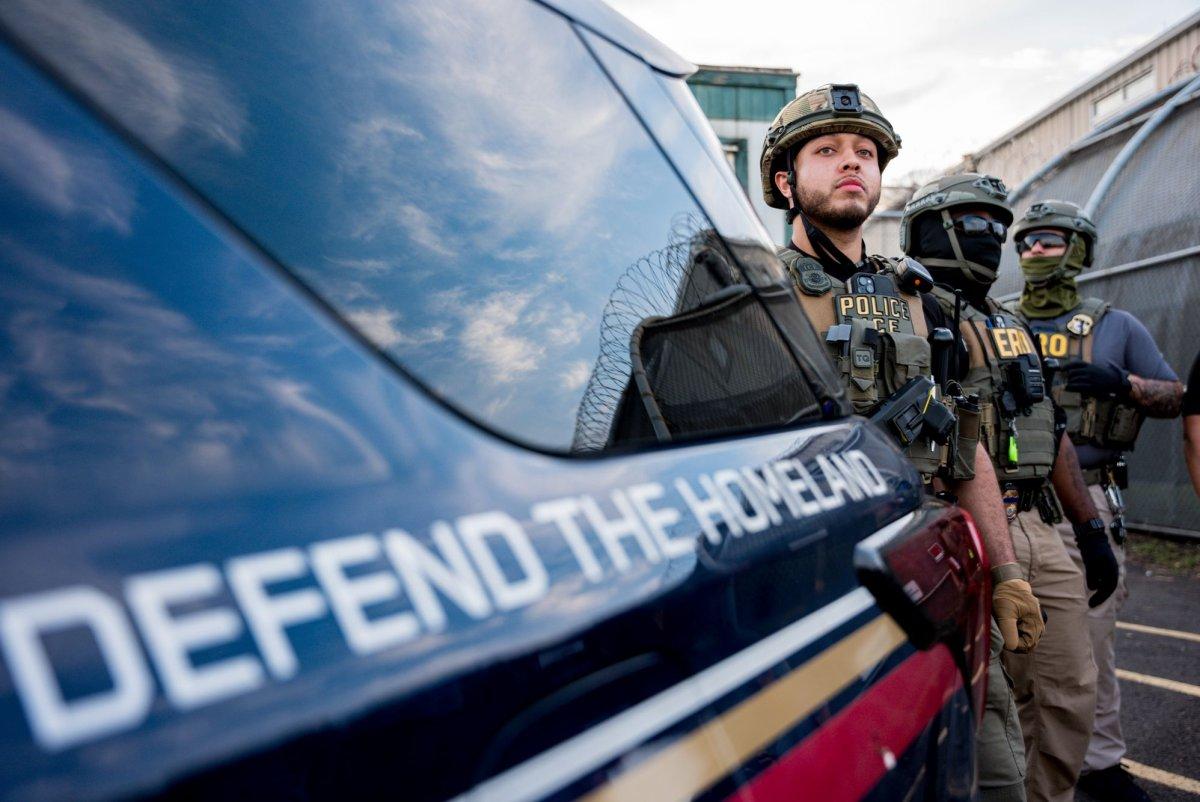
ICE Agent Opens Fire After Van Strikes Him in Manahawkin, New Jersey; Friedrich Castillo-Ormeno Flees
14 sources compared

Donald Trump Says July 4 America 250 Celebration At Lincoln Memorial Will Be A Trump Rally
10 sources compared

Donald Trump Directed DOJ To Investigate Gavin Newsom And Jennifer Siebel Newsom
18 sources compared

United States and Iran Reach Initial Deal To End War, Reopen Strait of Hormuz
16 sources compared