Gaza Genocide29 April, 20269 min read
Gaza Ministry of Health Warns Imminent Shutdown of Only Oxygen Plant Serving Gaza and North
The sole oxygen plant serving Gaza and North Gaza is at imminent shutdown. Hospitals rely on that plant for medical oxygen, endangering patient care if halted.

The Guardian was read line by line by the Watchdog: 2.2. See the score →
Oxygen plant at risk
Gaza’s health system is facing an oxygen-supply crisis that multiple outlets describe as nearing a shutdown of the only operating oxygen generation plant serving Gaza and the North governorates. Yemen’s Saba reported that the Ministry of Health in Gaza warned of “imminent shutdown of only oxygen generation plant serving the Gaza, North Gaza governorates,” saying in a press statement received by the Yemeni News Agency (SABA) that the plant is the primary source of oxygen for patients, particularly those with chronic illnesses, and also supplies medical oxygen to non-governmental organizations working in the health sector. Saba said the plant suffers from “frequent breakdowns due to high pressure and long operating hours, coupled with a lack of sufficient alternatives,” adding that this threatens to cut off medical oxygen and puts patients’ lives “at serious risk.”
“An oxygen supply crisis threatens the lives of patients in Gaza.”
Saba further described the crisis as portending “an imminent humanitarian catastrophe,” and said the Ministry of Health called on relevant authorities and international organizations to intervene urgently to bring in new oxygen generation plants and ensure a sustainable supply. Network source Al-Ekhbariya News, as carried by شبكة مصدر الاخبارية, similarly warned on April 28, 2026, 6:16 PM that the only operating oxygen generation plant in the Gaza and North governorates could stop, stressing it is “the primary source of supplying hospitals and health centers with medical oxygen.”

Al-Jazeera Net framed the same threat as an oxygen supply crisis, saying “An oxygen supply crisis threatens the lives of patients in Gaza,” and describing how most production plants have been destroyed and spare parts are blocked from entry. In Al-Jazeera Net’s account, the health infrastructure’s deterioration is visible at the main oxygen station in the northern Gaza Strip, which it says was created by assembling parts from other stations destroyed by Israeli occupation forces since the start of the war.
Fuel and water collapse
Alongside oxygen warnings, UNICEF described how fuel shortages are worsening Gaza’s water crisis, tying the breakdown of essential services to the inability to run systems that depend on fuel.
UNICEF said that “Currently, only 40% of potable water supply facilities are still operational in Gaza (87 out of 217),” and warned that “Without fuel, all of these facilities will stop functioning within a few weeks.”

The UNICEF report linked the situation to the fact that “Since electricity was cut to Gaza after the horrific attacks of October 7, 2023, fuel has become indispensable to produce, treat, and distribute water to more than two million Palestinians.”
It also stated that “If the blockade on fuel supply to Gaza, which has lasted for more than 100 days, does not end, children will begin to die of thirst,” while adding that “Diseases are already progressing and chaos is spreading.”
UNICEF argued that the water crisis is not logistical or technical, saying “None of these problems is logistical or technical. They are political,” and asserted that “If there is political will, the water crisis will be resolved overnight: fuel would allow water to flow into hundreds of underground wells and restore supply within a day.”
The report described downstream effects on health and sanitation, saying “Fuel is also the lifeline that keeps Gaza's devastated health system functioning,” and that “Without it, hospital generators stop, oxygen production is interrupted, and life-support equipment fails.”
UNICEF further warned that “Without fuel, desalination plants already operating at reduced capacity will shut down completely and the essential membranes in the machines will fail,” and that “Without fuel, truck transport of millions of liters of water to the population will be interrupted.”
It also connected the water crisis to disease risk, stating that “Wastewater now flows into makeshift shelters and tents,” and that there have been “suspected cases of hepatitis A and E, two highly contagious diseases.”
Virus spreads in camps
Le Poing described a worsening health crisis in Gaza that it links to displacement conditions and the spread of a respiratory virus among families living in camps and tents. It said that “The city of Gaza is going through one of the hardest periods in its recent history,” and described “a new respiratory virus” that “has appeared,” adding “another layer of pain and turning the illness into a daily threat.” The outlet said that “tens of thousands of citizens” are living in camps and tents “lacking the minimum public health standards,” and that overcrowding, poor ventilation, and lack of hygiene and privacy create “fertile ground for the rapid spread of the infection.”
Le Poing described how “Families crowded into restricted spaces, children sleeping shoulder to shoulder, and the elderly deprived of a healthy and secure living environment are all more exposed to the risk of contamination,” and said the virus “strikes entire families.” It also tied the severity of the situation to malnutrition, stating that “The severity of this health situation is further amplified by the spread of malnutrition among children and pregnant women,” and that “Many children suffer from wasting and a weakened immune system.” The outlet described symptoms as “intense and sudden,” beginning with “a high fever accompanied by severe headaches, muscle, joint, and eye pains,” and said symptoms can include “nasal congestion, a profuse discharge, a sore throat, a persistent cough, and, in some cases, breathing difficulties.”
Le Poing emphasized rapid transmission, saying the virus spreads “within a few days” among family members and that overcrowded conditions promote transmission “through respiratory droplets and direct contact.” It also described hospital saturation, saying “Gaza’s hospitals are experiencing extreme saturation” and that emergency departments are crowded with “beds in inpatient wards” becoming insufficient relative to the number of cases. The outlet warned that the virus poses increased danger for “infants, the elderly, pregnant women, and patients with heart disease, diabetes, or respiratory conditions,” and said these groups can experience severe complications requiring close monitoring.
Oxygen stations and officials
Al-Jazeera Net provided detailed reporting on the oxygen system’s scale before the war and the current risk of station shutdown, while naming a Palestinian health official who described deliberate targeting of the health system. The outlet said that “According to statistics from the Palestinian Health Ministry in Gaza, the sector had 34 oxygen stations before the war,” and that “the occupation forces destroyed 22 of these stations that fed hospitals, leaving only 12 stations remaining.” It reported that the remaining stations face the risk of stopping because “the occupation refuses to allow the entry of equipment needed for maintenance,” and that they “do not meet the growing needs of patients in hospitals.”
Al-Jazeera Net singled out “the central station at the Al-Shifa Medical Complex in Gaza City” as being “at risk of stopping,” citing “recurring faults it experiences and Israeli restrictions at crossings.” The outlet quoted the head of the Maintenance Department at the Palestinian Ministry of Health, engineer Mazen Al-Araisha, saying that “the occupation has systematically destroyed the health system in all its components, including oxygen stations that form the lifeline for intensive care units, incubators, surgeries, and patients with chest diseases and tumors.” Al-Araisha added that “not allowing spare parts since the start of the war, including routine parts needed for maintenance, poses a direct threat to the continued operation of these stations,” and warned that this “reality portends a real humanitarian catastrophe.”
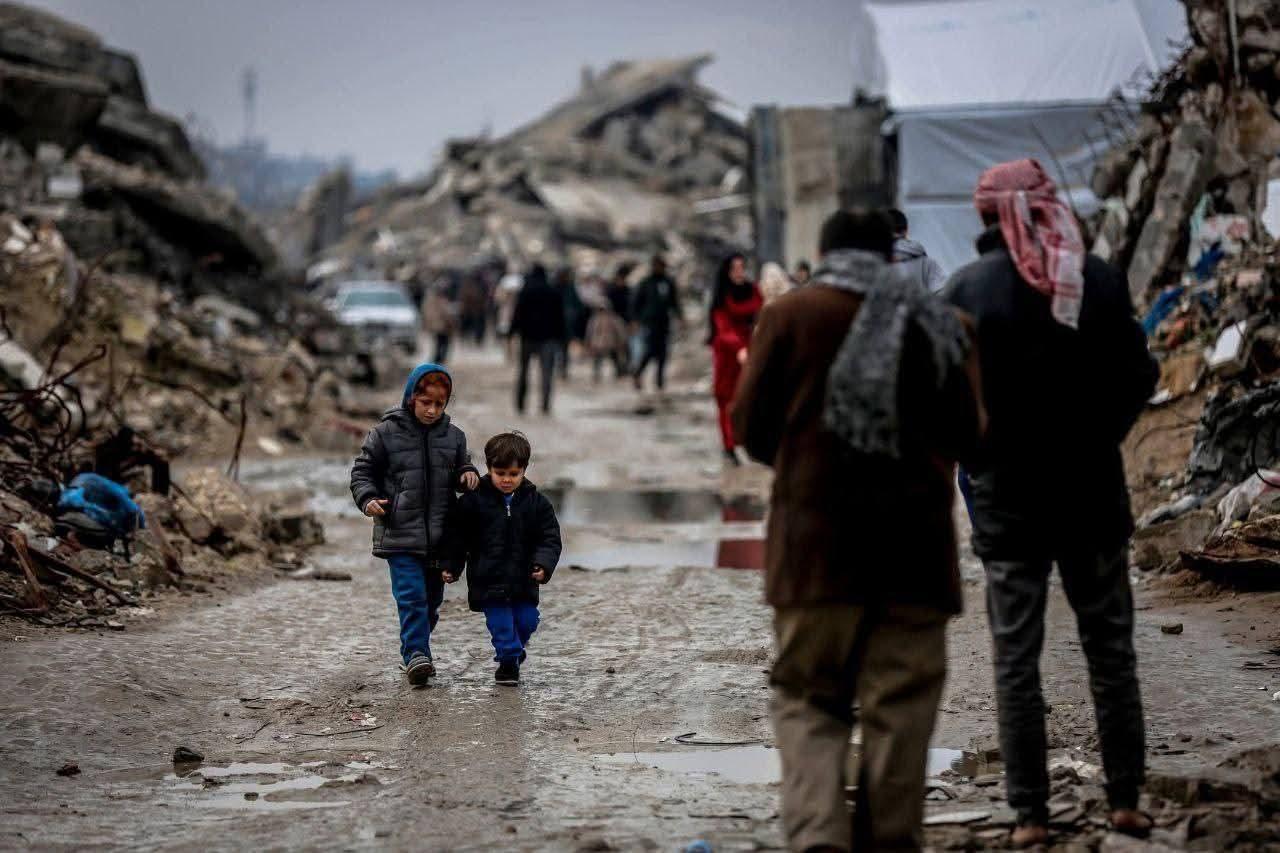
Al-Jazeera Net also described the “impending death,” quoting Al-Araisha’s claim that “only one station could serve about 150 patients who rely on filling oxygen cylinders at home,” and that interruption would mean “certain death, in the absence of alternatives.” In the same report, Al-Jazeera Net said the Gaza Health Ministry contacted international institutions, and that Al-Araisha noted “there is a stock of spare parts in the West Bank funded previously,” but that bringing it into the territory depends on “obtaining Israeli approval that has not yet been issued.” The outlet further said efforts to purchase new oxygen stations through the World Health Organization “have also stalled due to not obtaining the necessary permits to bring them into the sector,” while describing urgent replacement needs as current stations are “being consumed at an accelerated rate due to rising demand.”
Gas shortages and halted crossings
Other reported shortages in Gaza reinforce the picture of a health system under strain, including a cooking gas crisis described as worsening after crossings were closed and trucks entered without gas shipments. The Palestinian Information Center, as carried by المركز الفلسطيني للإعلام, said the cooking gas crisis is worsening after “a full week without any new quantities entering the markets,” leading to a deeper shortage for residents who rely on cooking gas for cooking and for operating commercial activities. It reported that the crisis worsened after “Israeli occupation authorities closed the crossings leading to the Gaza Strip for three days” following the start of the Israeli-American aggression against Iran, before later allowing a limited number of aid and goods trucks to enter “without including any shipments of cooking gas.”
The outlet provided daily truck figures during the past four days: “16 trucks entered Gaza on the first day, 277 on the second day, 165 on the third day, and only 33 on the fourth day,” and it specified that “none of which carried cooking gas.” It said the minimum estimated needs of the sector for gas are “around 8,000 tons per month, about 260 tons per day,” while volumes that entered before the latest closure “did not exceed 20% of the total monthly requirement at best.” The outlet cited General Petroleum Authority data, stating that total cooking gas entered the sector “since the ceasefire in October last year until mid-February this year was about 361 trucks, totaling roughly 7,000 tons,” which it said equals “less than a month’s needs.”
The Palestinian Information Center reported that the General Petroleum Authority announced a temporary suspension of issuing gas distribution sheets, and that in the informal market prices rose from “about 40 shekels to around 75 shekels” for one kilogram. It also said the crisis is affecting restaurants, confectionery shops, and bakeries, with some owners reporting stock running low and that they could “shorten working hours or close some activities if the shortage continues.” Finally, it cited Government Media Office figures that “around 87,600 aid trucks were supposed to have entered Gaza since the ceasefire’s announcement in October,” at “600 trucks per day,” while actual entry “did not exceed 22,000 trucks,” or about “150 trucks per day.”