Europe09 June, 20263 min read
Germany and France Abandon FCAS Joint Fighter Jet Program After Dassault-Airbus Disputes
France and Germany abandon FCAS after unresolved disputes among Dassault and Airbus. Merz and Macron concluded Dassault and Airbus cannot reach an agreement.
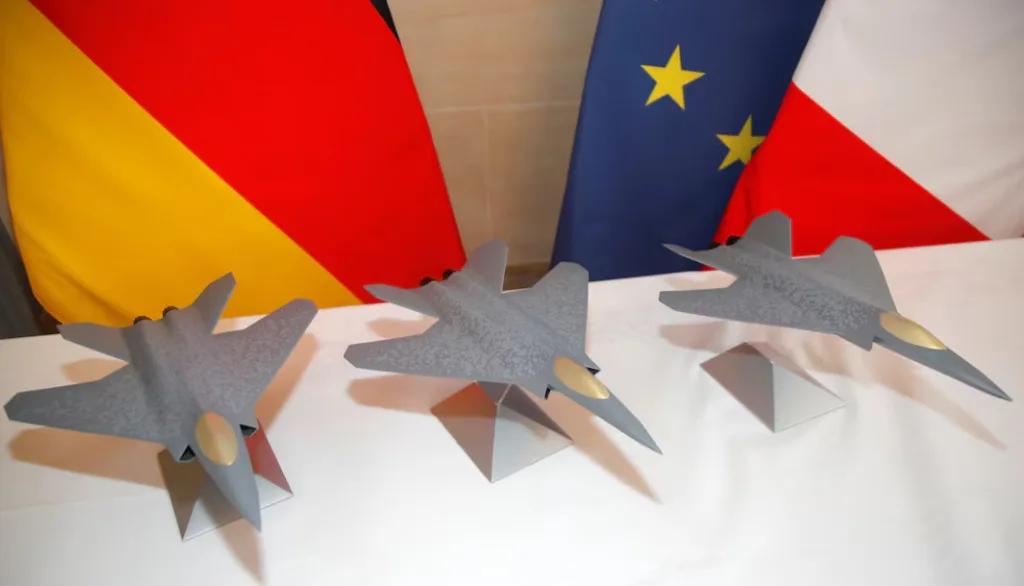
FCAS collapses
France and Germany agreed to abandon their joint fighter jet program Future Combat Air System (FCAS) after disagreements between the companies involved, a blow to European efforts to boost defense cooperation. A German government official said that German Chancellor Friedrich Merz and French President Emmanuel Macron “reached the shared assessment that the companies will not be able to come together on building a joint combat aircraft.” The FCAS program, launched in 2017 to replace France’s Rafale jets and the Eurofighter planes used by Germany and Spain, was intended as a key test of European defense cooperation, but it was beset by disputes between France’s Dassault Aviation and Airbus, which represents Germany and Spain.
Euronews described the decision as ending “years of efforts to develop a next-generation European fighter jet,” while noting that the program’s cost was most recently estimated at between €80bn-100bn. Even as the fighter jet itself will not move forward, multiple outlets said other parts of the wider FCAS effort were expected to survive, including the “combat cloud” described as a European system of systems.

Political and industrial blame
Euronews said the main reason for FCAS’s collapse was an increasingly bitter dispute between Airbus and Dassault, with repeated political intervention failing to resolve the companies’ differences. Dassault chief executive Éric Trappier told Le Monde in March, “Airbus no longer wants to work with Dassault,” as the dispute over control of sensitive technology and program leadership deepened. The Guardian reported that officials in Berlin said Macron and Merz had “reached the shared assessment that the companies will not be able to reach an agreement,” and it described disagreements over leadership, control of the development programme, and the type of jet each side wanted.
The Guardian also said a German government source told AFP that “The actual core of FCAS is to be continued as a European system,” describing it as a “nervous system” linking aircraft, drones and other components. In Berlin and Paris, officials confirmed the collapse after Merz and Macron agreed last week that Dassault and Airbus failed to resolve key disputes, with DW describing the project as having been plagued by years of political and industrial disputes.
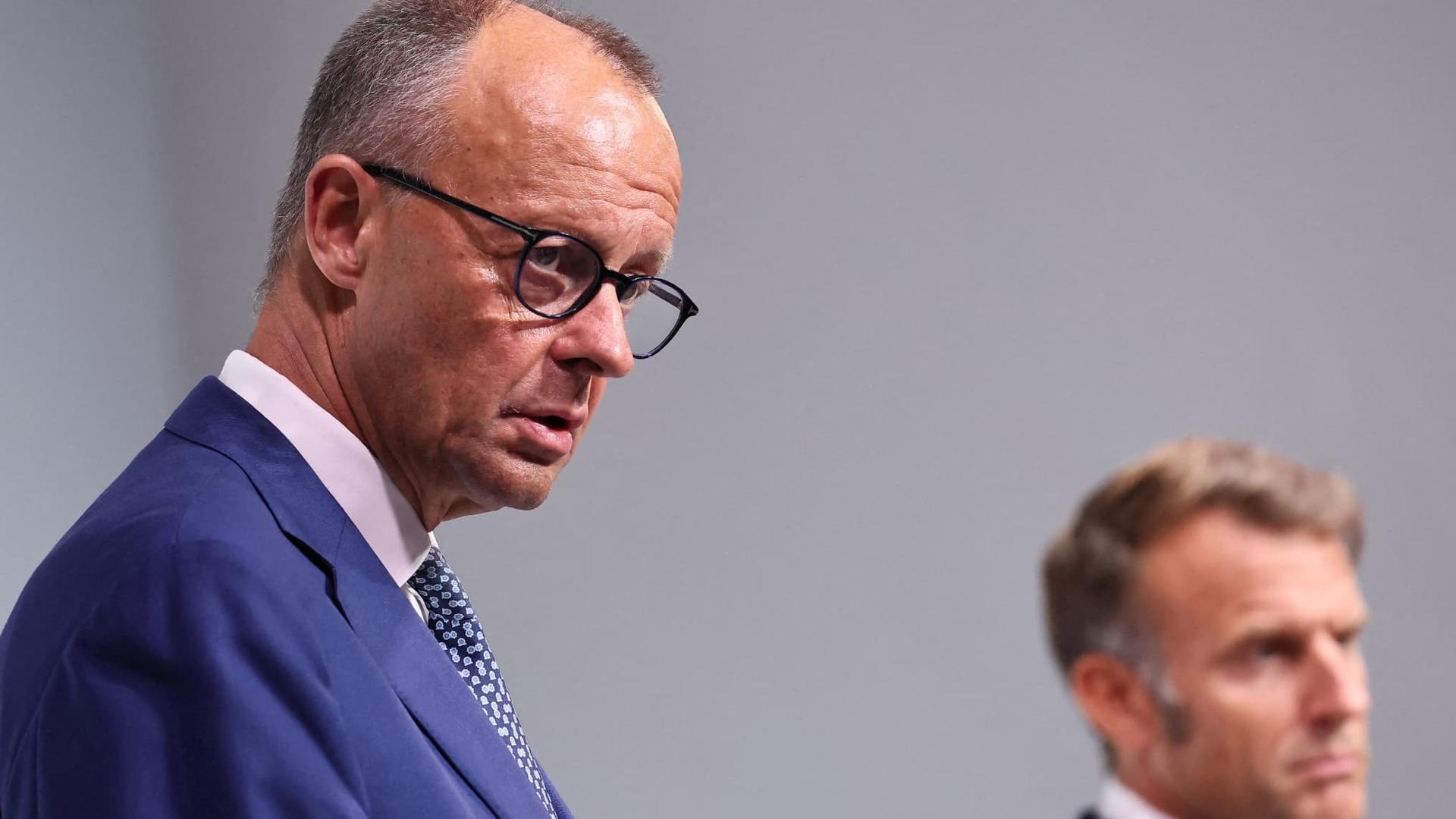
What comes next
With the fighter jet at the center of the disagreement abandoned, sources said attention would shift to narrower joint defense projects and to continuing parts of FCAS such as the combat cloud. Taipei Times said the French and German defense ministries were set to draw up a plan for defense cooperation “focused on a few realistic and relevant projects” at a forthcoming meeting, after Macron and Merz confirmed other parts of the program would continue. DW said Germany and France now plan to focus on a Combat Cloud linking aircraft, drones and sensors, with defense officials due to meet in mid-July to reset cooperation around smaller projects.
Euronews added that work was expected to continue on the combat cloud, while Airbus was expected to explore alternative partnerships, with industry sources pointing to Sweden’s Saab AB and the British-Japanese-Italian fighter jet programme as potential avenues. The Guardian framed the stakes as a heavy blow to efforts by European countries to cooperate more closely on defense, while also noting that the programme includes drones and a high-security combat data cloud alongside the jet fighter at the heart of the dispute.