
Full story
Leipzig drone blamed
Germany blamed Russia for an attempted drone attack at Leipzig/Halle Airport on Aug. 4, after a drone laden with explosives was found near Ukrainian cargo planes and the device was defused.
“Germany blamed Moscow for the attack”
German Interior Minister Alexander Dobrindt said the attack fits a “well-established pattern of Russian hybrid operations in Europe,” and he said investigators found elements “known to us from other Russian hybrid operations and its war against Ukraine.”
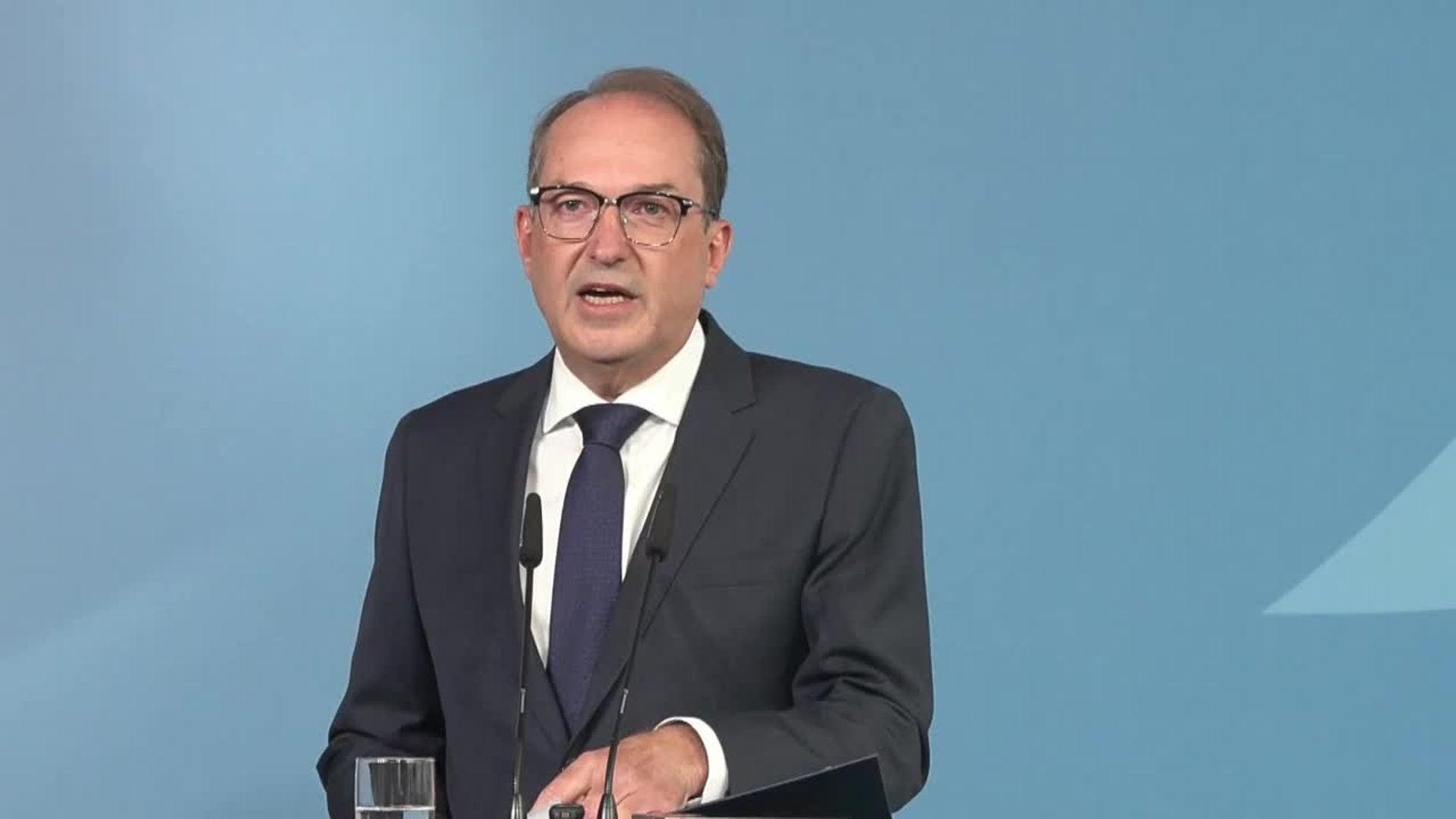
The German government announced it would close the Russian consulate in Bonn and terminate the contract for the Russian House cultural center in Berlin, while also tightening entry controls for Russian citizens and increasing pressure on the “shadow fleet.”
Russia rejected the accusations, with Vladimir Putin saying Berlin’s proof “has been planted,” and the Russian embassy in Berlin calling the allegation “absurd.”
EU and NATO rally
European Commission President Ursula von der Leyen said the incident “marks a new escalation on European Union soil,” and she vowed that “we will increase” pressure on Russia rather than just maintain it.
NATO Secretary-General Mark Rutte said “Russia has grown increasingly reckless” and warned that the alliance’s unity is “unshaken,” while also pledging that NATO would continue strengthening its ability to deter and defend all allies.

EU foreign policy chief Kaja Kallas said EU foreign ministers held talks on tightening sanctions against Russia and visa rules for Russians seeking to enter the union’s territory, including a ban for ex-combatants.
The EU and NATO leaders also framed the Leipzig incident as part of a broader campaign, with Rutte saying “Russia’s attempts to intimidate us, to undermine our unity and our willingness to support Ukraine are futile and will fail,” and von der Leyen asserting “hybrid attacks will not go without a clear response.”
Sanctions, visas, and escalation
The EU weighed how to respond after Germany blamed Russia, with AP saying the bloc struggled to find ways to meet the challenge “without resorting to military means,” while discussing sanctions, visa restrictions and shutting Russian consulates.
“without resorting to military means”
Kallas told reporters that it was “clear that it has all the hallmarks of state-sponsored terrorism,” and she posed the question “what do we do about this” as EU foreign ministers met in Ireland.
Reuters reported that von der Leyen vowed to increase pressure on Russia with new sanctions after the Leipzig attack, and it said the full scope of new sanctions was not immediately clear.
As Germany prepared its response, Russia said it would respond to “all anti-Russian action” and summoned Germany’s top diplomat in Moscow, while German authorities also probed new suspected sabotage cases including devices that damaged power lines in Brandenburg and vandalism at a substation in North Rhine-Westphalia.