Europe03 June, 20263 min read
Germany Fails to Win UN Security Council Seat as Russia Rejects Ukraine Support
This article is an automated aggregation of coverage from news outlets. Our editorials offer in-depth analysis curated by the NewsCord team.
Portugal and Austria secured the two Western Europe seats for 2027-2028. Germany finished behind Portugal and Austria, failing to win the UN seat.
Germany loses UNSC bid
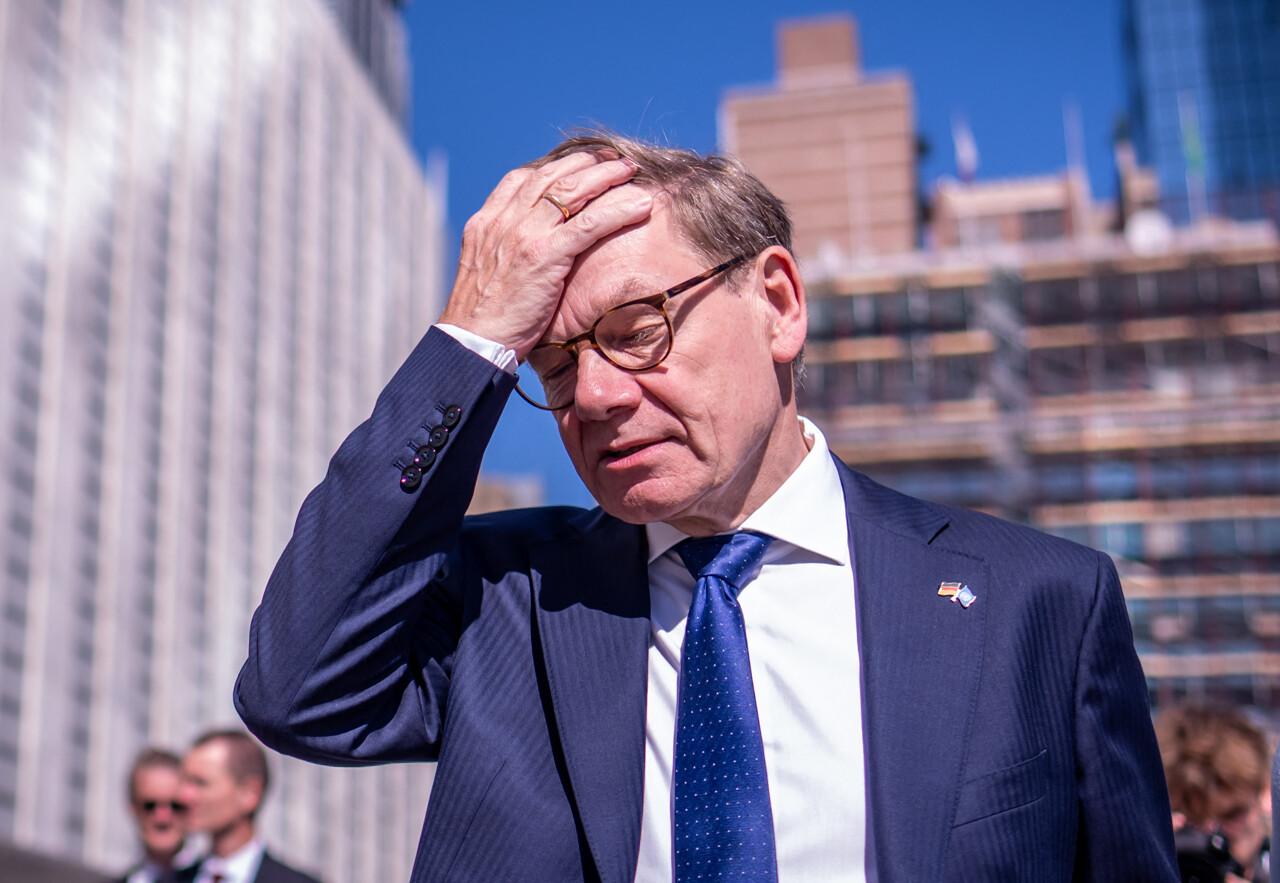
Germany failed to win a rotating seat on the UN Security Council in a Wednesday vote in which Austria and Portugal were elected to a two-year term, while Germany received 104 votes compared with 134 for Portugal and 131 for Austria. German Foreign Minister Johann Wadephul described the outcome as a “bitter defeat” after the vote, and said “There is our firm support for Ukraine” and that Russia did not want such a voice at the Security Council. The election was held for the Western European and Others Group, and the Security Council consists of five permanent members and 10 elected members serving two-year terms.
The result was also framed as a blow to Chancellor Friedrich Merz, with the BBC reporting that missing out was “a blow for German Chancellor Friedrich Merz” and that critics said it embarrassed him abroad. In the same vote, Kyrgyzstan, Trinidad and Tobago, and Zimbabwe were also elected to serve on the Security Council beginning next year, according to the Kyiv Post.
Blame over Israel and Russia
Wadephul attributed the defeat in part to Germany’s positions on Ukraine and Israel, telling reporters “We have always taken a clear stance on certain issues, and these are positions that not all member states share.” The BBC also reported Wadephul’s view that “The fact that Germany must always assume a special responsibility for Israel in the Middle East conflict may also have cost votes.” Al Jazeera reported that Wadephul suggested Germany’s support for Israel may have cost crucial votes, and it quoted him saying “The fact that Germany must always assume a special responsibility for Israel in the Middle East conflict may also have cost votes,” in the context of the Middle East conflict.
In Germany, the defeat immediately fed criticism of Merz, with Al Jazeera saying Alice Weidel described the result as an “embarrassment” and Adis Ahmetovic called it “a gauge of how [Germany] is perceived internationally.” DW reported that Wadephul acknowledged the decision was “a real disappointment,” and said he would conduct a “thorough analysis” of the reasons for Germany’s failure.

What changes next
Merz downplayed the loss and congratulated Austria and Portugal, telling the BBC that “This result does not alter the tasks we face at the United Nations,” and that Germany remains “a reliable pillar of the multilateral system.” The Kyiv Post reported that Merz’s failure to secure a seat was viewed as a diplomatic setback, while it also noted that the UN Security Council is the only UN body empowered to adopt legally binding resolutions, including sanctions and authorizations for the use of force. DW described how critics linked the vote to development aid cuts and to Germany’s belated application and hesitant campaign, quoting Lisa Ditlmann saying “Those who, like the German government, want to make massive cuts to development cooperation for the fifth time in a row should not be surprised by a lack of support on the international stage.”
PassBlue said the election was held by secret ballot on June 3 and that Austria, Portugal, Trinidad and Tobago and Zimbabwe were elected with the required two-thirds majority of 127 total votes, while Germany was edged out with 104 votes. The Straits Times reported that the five countries elected on June 3 would join the Council for two-year terms starting on Jan 1, 2027, with Germany’s absence marking the first time it had not been elected to the council since its reunification in 1990, according to the Kyiv Post.