Europe20 July, 20263 min read
Judit Polgár Refuses Péter Magyar’s Offer for Hungary Presidency
This article is an automated aggregation of coverage from news outlets. Our editorials offer in-depth analysis curated by the NewsCord team.
Péter Magyar nominated Judit Polgár for Hungary's presidency. Polgár declined, citing she did not feel the strength to unite a divided nation.

Polgár declines presidency
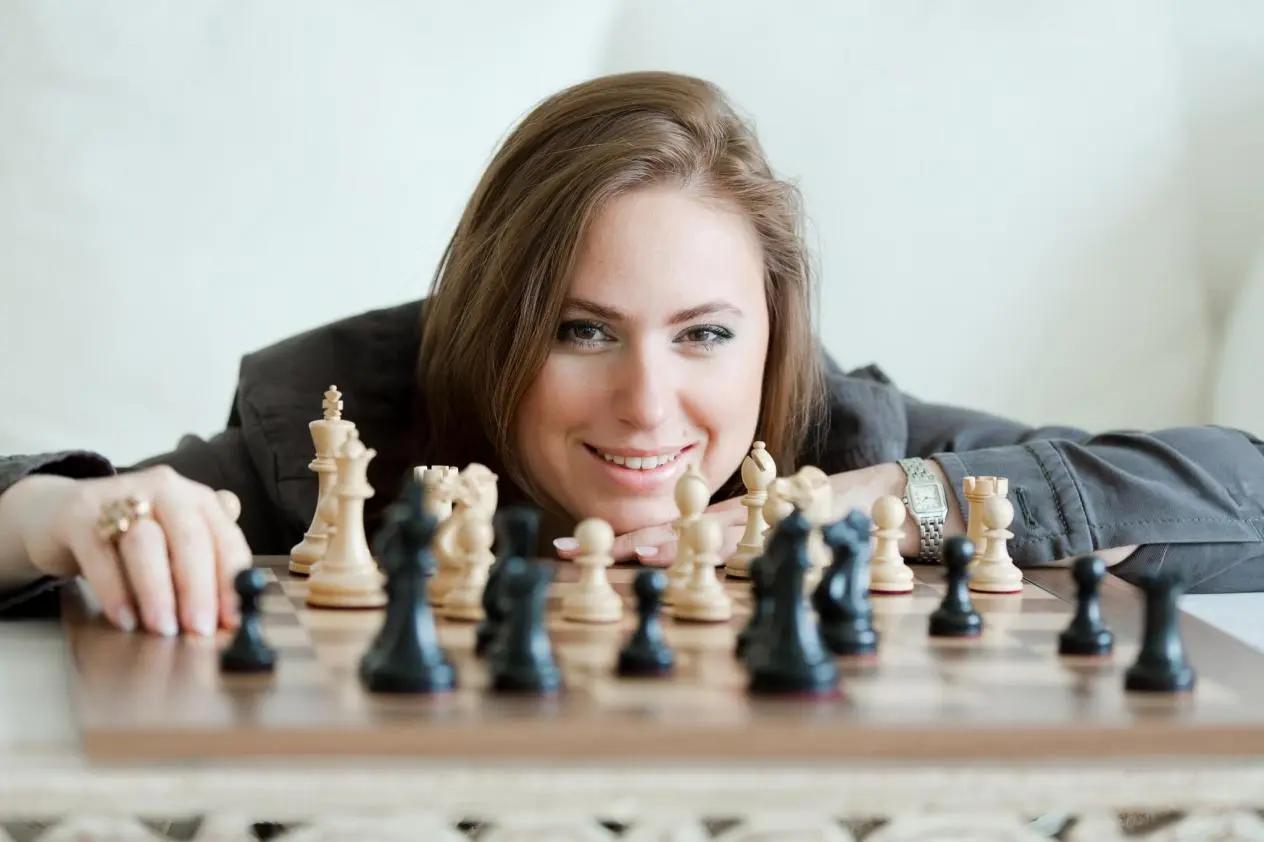
Hungarian Prime Minister Péter Magyar proposed former chess champion Judit Polgár for the presidency after President Tamás Sulyok signed a constitutional reform ending his term, but Polgár refused the invitation to take “the historic responsibility of uniting a divided nation.” Polgár, described as a 49-year-old chess grandmaster, said on social media that she “do not feel I have the strength to take on the historic responsibility of uniting a divided nation, and therefore I cannot accept the invitation.” The presidency became vacant after Sulyok’s resignation signing, and the interim head of state was identified as Parliament Speaker Ágnes Forsthoffer while the chamber had 30 days to elect a new head of state.
Avvenire also reported that Magyar wanted the president installed by August 20, the national holiday, and said there were at least ten possible candidates for the presidency. Corriere della Sera added that Polgár had not yet issued public statements about the proposal at the time of its reporting, even as Magyar said he intended to meet her to ask her to accept the candidacy.
Magyar apology and reactions
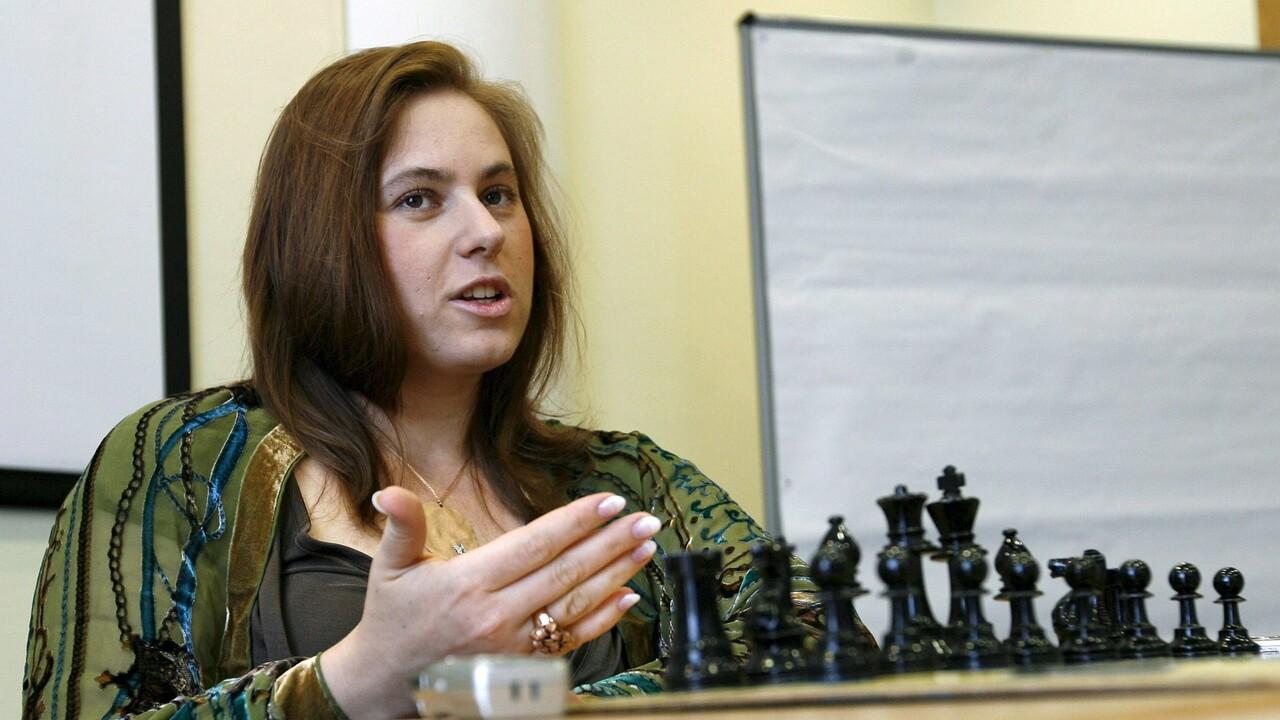
After Polgár’s refusal, Magyar’s Tisza party held a two-thirds majority in Parliament, and the election of the next head of state was described as a parliamentary process that could proceed before Hungary’s national holiday on August 20. Sky TG24 reported that Polgár’s refusal “ending a candidacy that had immediately divided the country,” while also quoting her message that she would continue working toward the goals tied to the proposal. In the same period, Avvenire said Magyar “immediately grew enthusiastic” when Polgár was proposed, but later described his response as a “bitter disappointment” after her rejection.
Avvenire also quoted Magyar apologizing for “mistakes caused by his enthusiasm born from his joy and his unconditional trust that may have contributed to her decision,” framing the responsibility as his alone. The Avvenire account further said Magyar had asked citizens to send suggestions for the name of the next head of state, while Parliament would elect the new president within the set timeframe.
What’s at stake next
With Polgár out of the running, the sources describe a renewed search for a new head of state, with Avvenire stating the chamber had 30 days to elect the new head of state and Magyar wanting the president installed by August 20. Il Dubbio framed the moment as a test of national unity and constitutional symbolism, quoting Magyar’s line that “Our country needs concord, peace, and a president whom all citizens can be proud of.” Il Dubbio also said the candidacy had been backed by “sixteen prominent figures of Hungarian culture, science, and sport,” including Ernő Rubik, László Lovász, and astronaut Tibor Kapu, while noting that Fidesz leadership had challenged the idea of a president outside politics.
In parallel, Corriere della Sera described the institutional stakes by noting that “The final decision will then be in the hands of Parliament,” after Polgár’s refusal left the next move uncertain. Avvenire added that Magyar’s plan included a possible limited mandate, with a new constitutional reform within two and a half years and direct election of the president by citizens, even as the current system kept the president chosen by Parliament.