Protestsupdated 1h ago2 min read
Giorgia Meloni Chairs Security Meeting After Youth Riots in Milan
This article is an automated aggregation of coverage from news outlets. Our editorials offer in-depth analysis curated by the NewsCord team.
Milan riots over the cost of living caused damages estimated over €500 million. Giorgia Meloni chaired a security meeting with top officials after two days of riots.
21 outlets told this the same way.
Milan turns violent
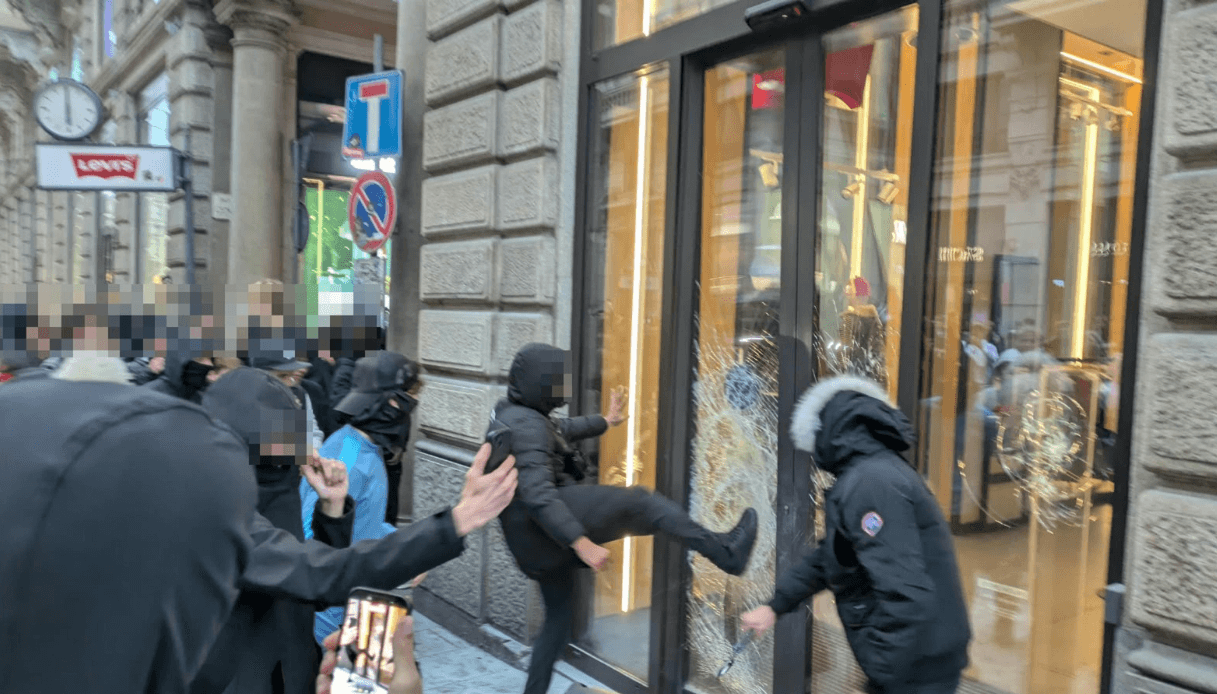
Rioting in Milan followed a demonstration over the cost-of-living crisis, and the unrest spread from Saturday into Sunday with groups of youths swarming around shops and supermarkets, smashing windows and going on ransacking-and-looting rampages before quickly dispersing.
Premier Giorgia Meloni held a meeting with top security officials on Monday after two days of rioting in Milan by youths, many hooded and dressed in black, caused damage estimated to be in excess of half a billion euros.
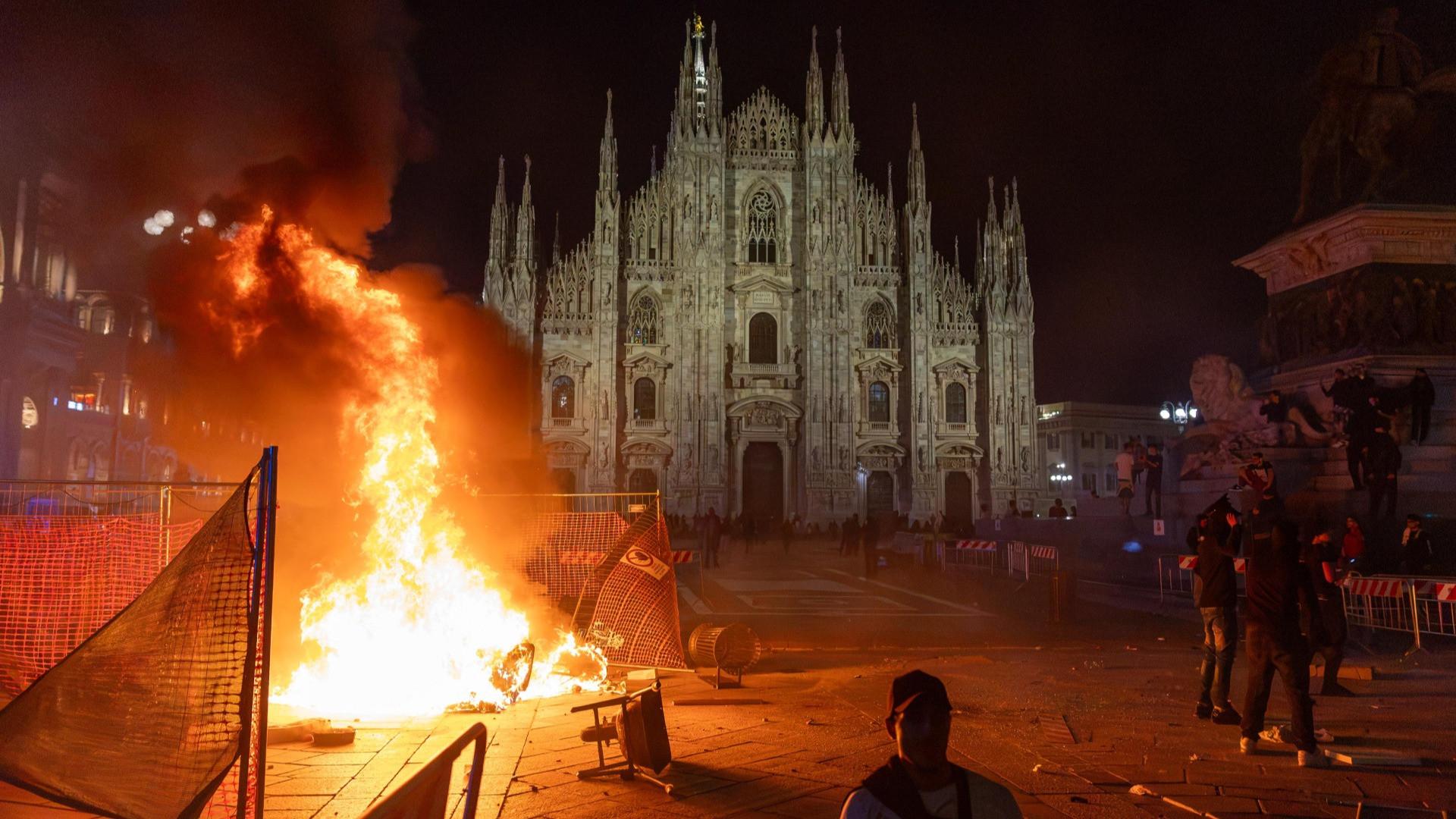
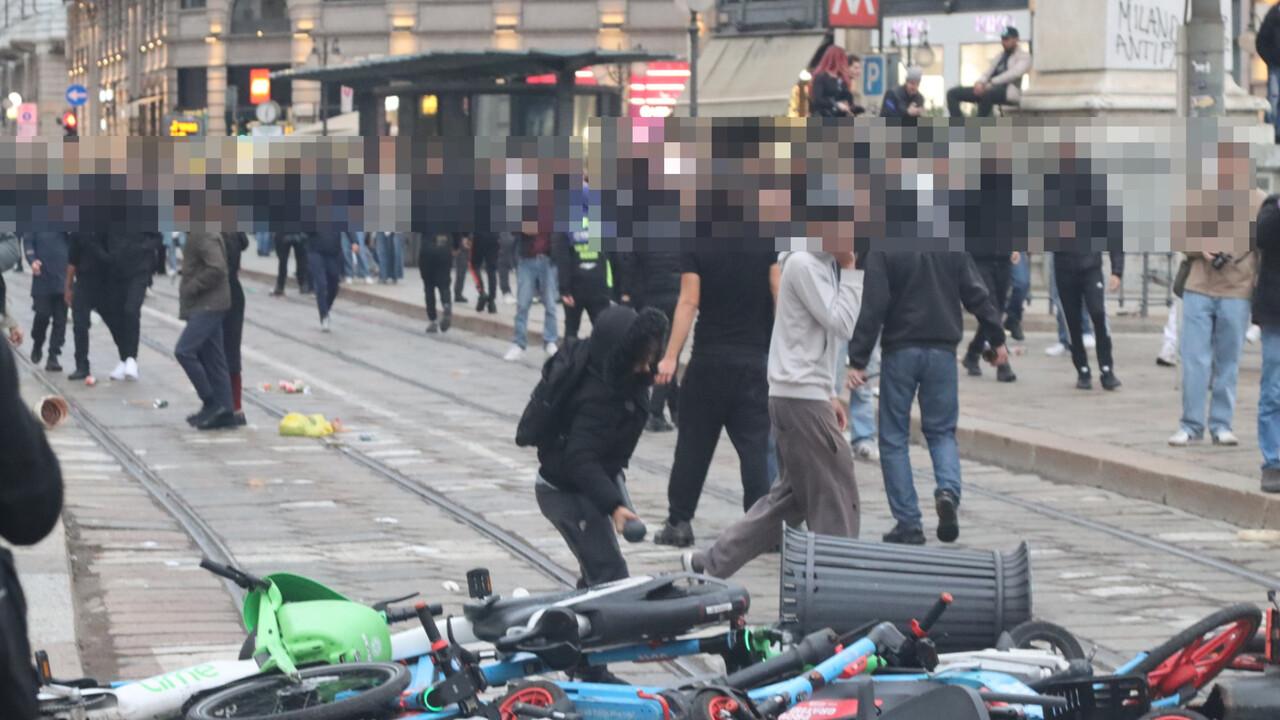
Police detained more than 250 people, 80% of whom were minors, after protesters threw paving stones, bins and chairs at officers over the weekend, and police deployed tear gas and water cannons.
Milanese Mayor Giuseppe Sala said he was worried the violence represented a "new phenomenon" that "originates from an international scenario and therefore feeds itself," while Meloni said, "To demonstrate is a right. To lay our cities to waste is not."
Detentions and debate
Italian police said more than 5,000 people gathered in Milan over the weekend, while police also said 271 people were taken to police stations on Sunday, with 32 arrested including 23 minors. Corriere della Sera reported that Meloni was poised to approve emergency security measures that included extending preventative detention to minors and restricting group gatherings, as the crackdown followed an emergency security meeting on Monday afternoon.
Interior Minister Matteo Piantedosi accused Milan Mayor Giuseppe Sala of being a "radical chic" lefty after the city's first citizen said not enough police had been deployed to prevent the scenes of chaos. Elly Schlein said her centre-left group has always condemned violence and argued the government should not use the rioting to "to drown out the voices of thousands of people who are protesting peacefully all across Italy because they can no longer make a living."
Europe-wide pressure
Across Europe, protests between Saturday, October 17 and Sunday, October 18 involved insufficient wages, rising prices, difficulties in accessing housing, and an increasingly uncertain future for the new generations, with mobilizations in several cities culminating in violence. The ANSA account tied the Milan unrest to anti-government protests by high-school students in Italy on Friday that turned ugly in several cities, while the BBC said rioting and violence broke out on the sidelines of mostly peaceful youth-led protests in other European countries including France, Spain and Albania.
In Milan, the police used tear gas and water cannons as youths set trash bins on fire and looted stores, and police temporarily detained 271 youths and young adults, according to police announcements on Monday. The weekend of October 17 and 18 was described as a map of discontent that shared underlying causes but lacked coordinated responses, and the article said "At least ten countries experienced simultaneous protests."