Protestsupdated 25m ago3 min read
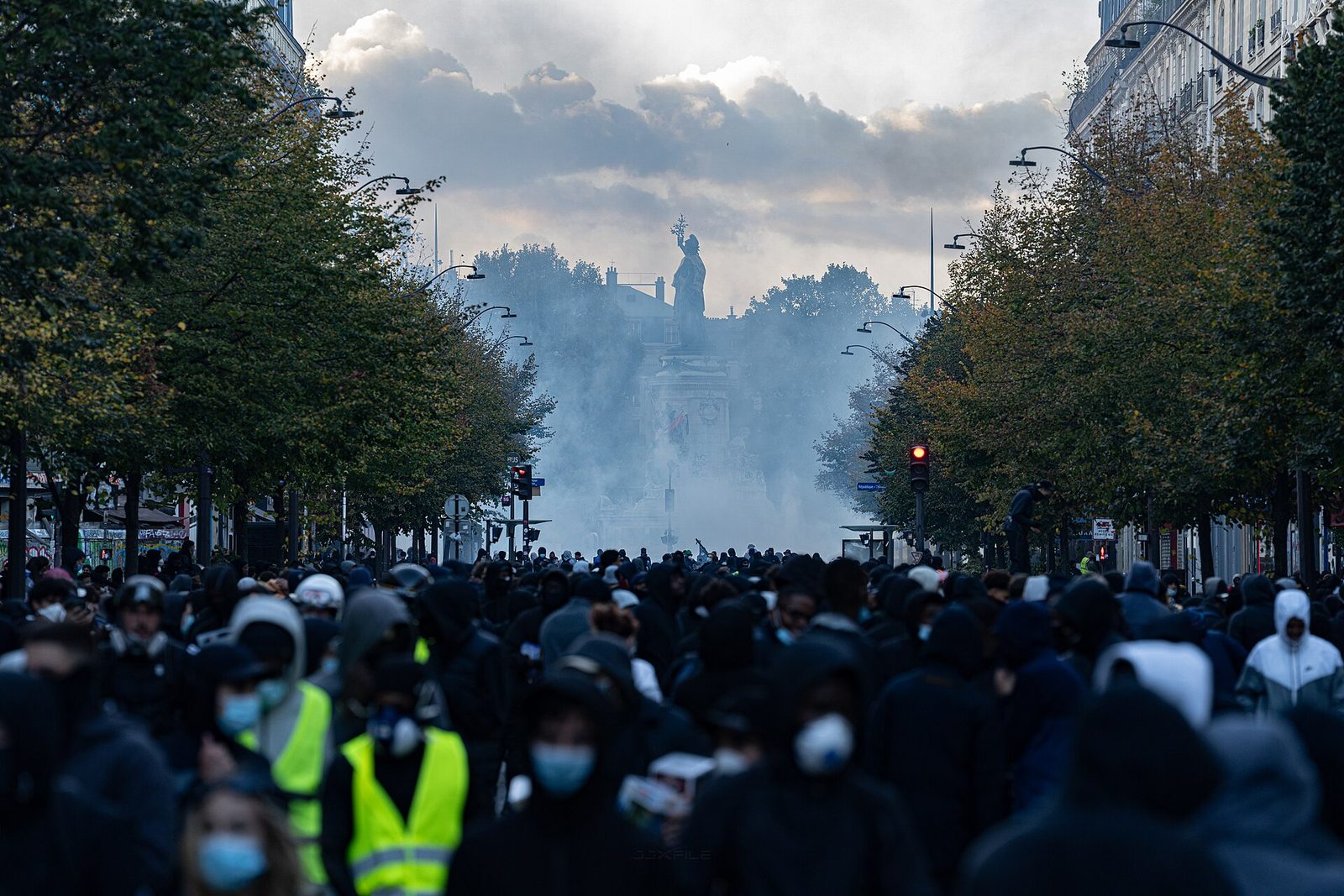
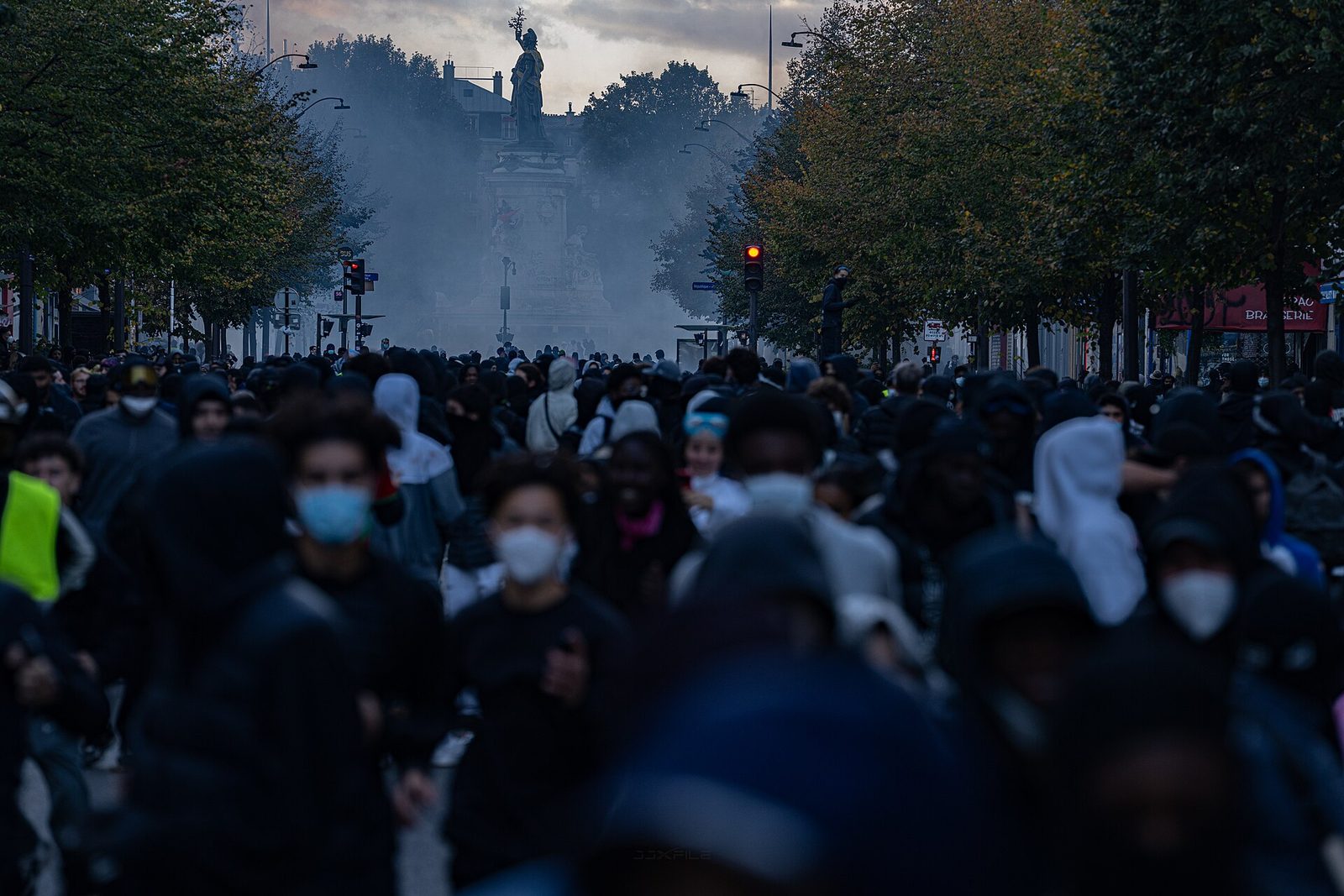
Archive photo · 17 October 2026French Activists Demand Tear Gas Suspension After Protests, Interior Minister Laurent Nuñez Rejects Calls
2 Other2 Western Mainstream1 West AsianPhoto: Jorge Jaramillo | @JJxFile, CC BY-SA 4.0 · Cropped for layout
This article is an automated aggregation of coverage from news outlets. Our editorials offer in-depth analysis curated by the NewsCord team.
Activists and lawmakers call to suspend tear gas use in France. They cite concerns about reproductive health, including menstrual changes, though link unproven.
Save coverage image
5 outlets in this story. Read their headlines below.
Calls to suspend tear gas
French activists and lawmakers demanded that authorities suspend the use of tear gas to disperse crowds after recent street protests, with concerns that it caused menstrual changes and other reproductive health problems.
Interior Minister Laurent Nuñez rejected the calls, saying police use of tear gas is essential to crowd control as an alternative to using more dangerous weapons.
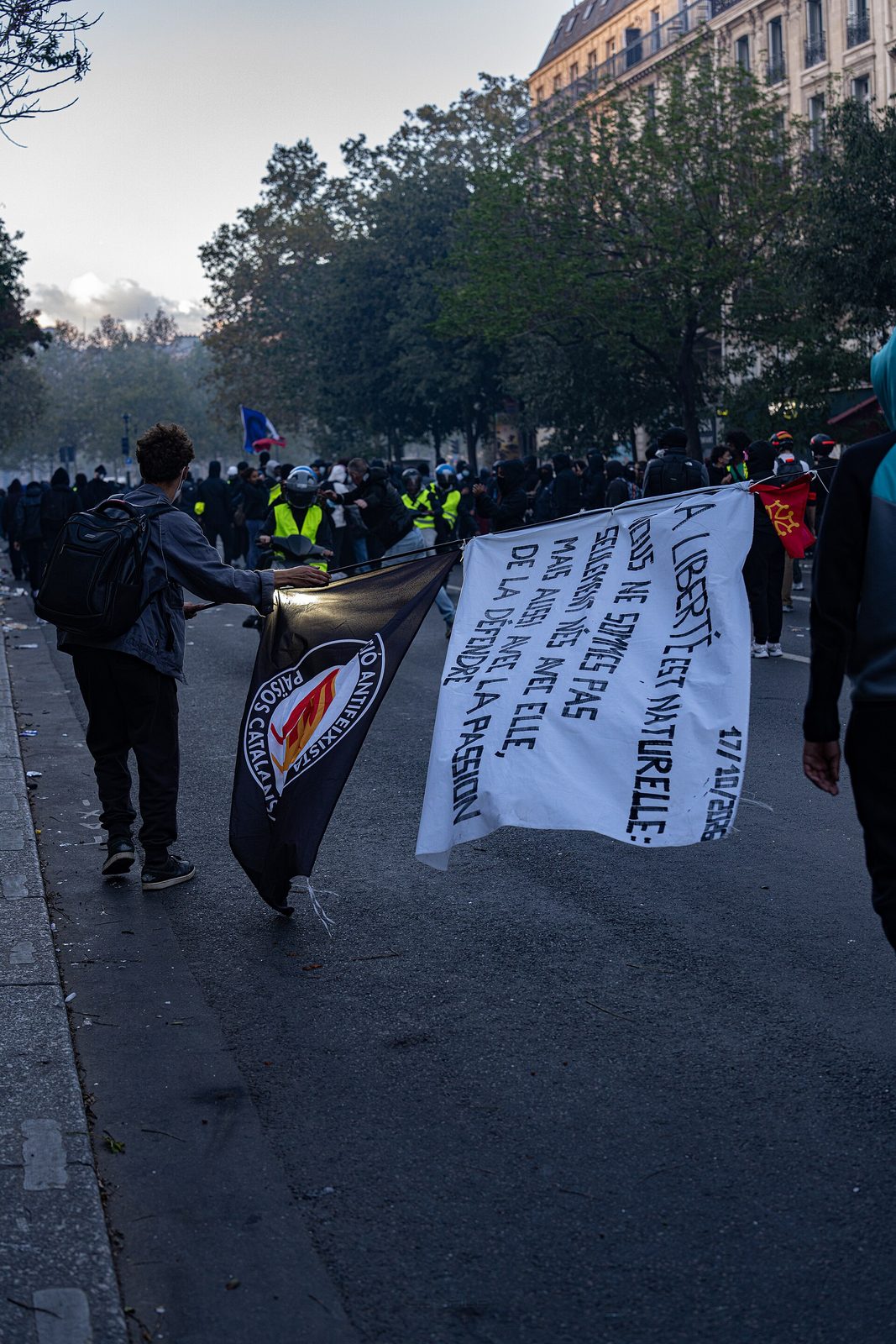
Mélina Galland, 24, described feeling intense belly pain after tear gas grenades were fired during Oct. 17 protests in Paris, and she said, “Heading back home, I felt intense belly pain which was unusual because I never experience pain that intense at that stage of my period,”.
The “Lacrymos de sang” (“Tears of blood”) advocacy group asked people last month to complete a questionnaire describing their exposure and symptoms, and the group said its collection of accounts does not establish how common symptoms are among those who say they were exposed to tear gas.
Testimonies and unanswered links
The “Lacrymos de sang” (“Tears of blood”) advocacy group said it collected more than 10,000 complaints, and it framed the questionnaire as a way to raise awareness about possible effects on menstrual cycles and pregnancies. Eva-Luna Tholance, a former journalist who investigated the issue six years ago, founded the group during the protests, and she said, “Some people experience mild cramps, but a huge number tell us about cramps that are far worse than what they normally experience during their periods,”. Le Temps reported that the Blood Lacrymosa collective collected 10,000 women’s testimonies between October 8 and 31, 2026, and it said the collective presented initial results to the National Assembly on November 17.
Le Temps said that of 9,480 testimonies, nine out of ten women report gynecological disorders after exposure to tear gas, and it reported that 59% report uterine cramps, 43% ovarian pain, 32% bleeding between periods, and 25% abnormally heavy bleeding. Le Temps also reported that of 47 pregnant women who testified, 15 report a miscarriage, which it said is twice the rate expected in the general population.
Research calls and policy stakes
Asha Hassan, lead author of a Minnesota Medical School study, said, “There’s a lot of theories. We don’t really 100% know,” after a study that gathered testimonies about symptoms reported after the 2020 Black Lives Matter protests.
The ABC News report said the study calls for more research “urgently,” and it described how early tear gas research involved healthy young men in military settings.
The Interior Ministry said no published scientific studies show that CS causes menstrual changes or miscarriages, and it said other effects generally resolve within hours while acknowledging that some longer-lasting symptoms affecting the skin and eyes “cannot be ruled out.”
The policy dispute centers on whether authorities should suspend tear gas, since ABC News reported that scientists have not confirmed a medical connection between tear gas exposure and reproductive health problems.
The stakes for protesters and residents include the possibility of symptoms described after exposure, as ABC News reported that some people reported bleeding despite being postmenopausal or taking hormonal contraception that normally prevents menstrual bleeding.