Crimeupdated 1h ago3 min read
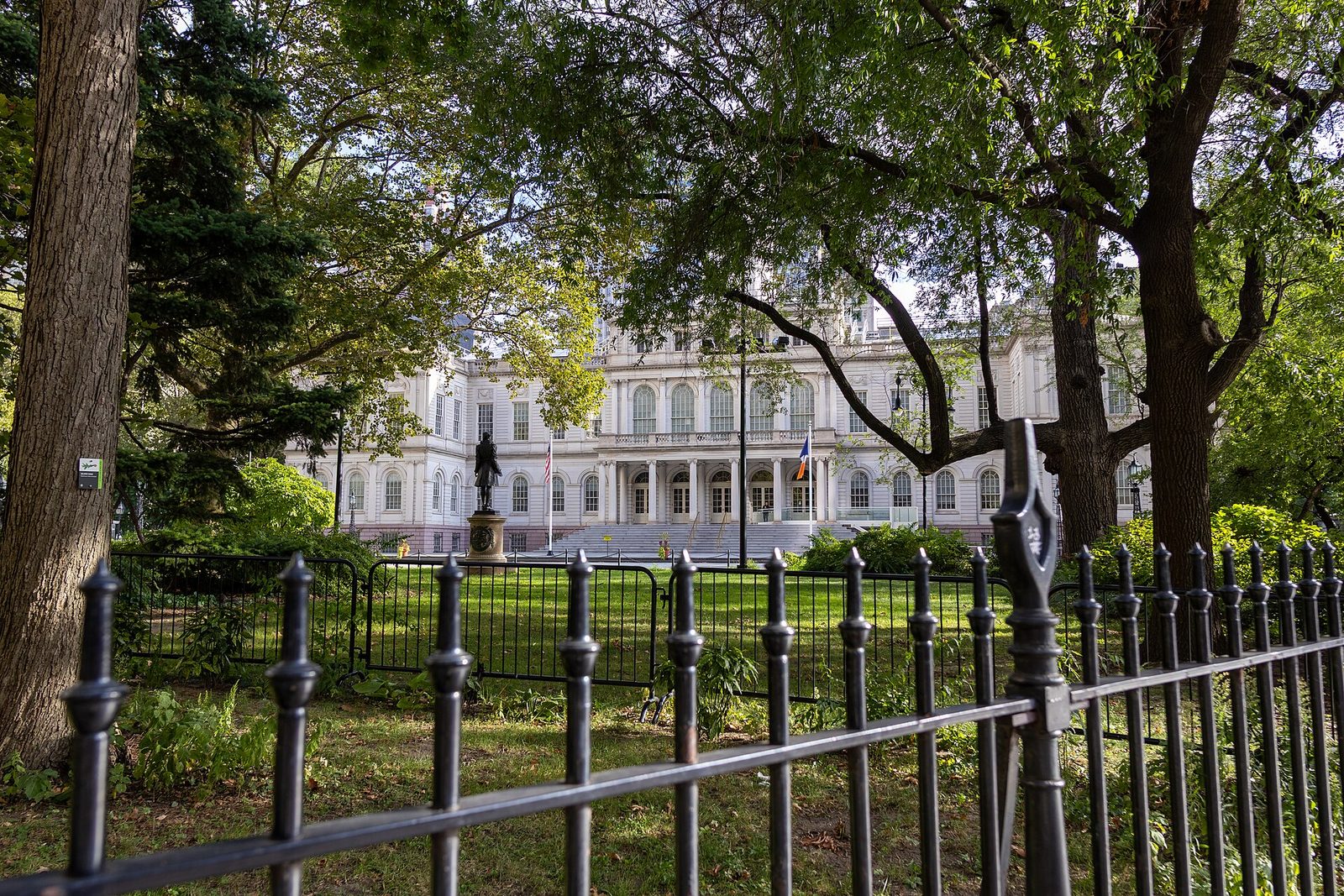
Archive photo · 1 September 2025Mayor Zohran Mamdani Disbands NYPD Strategic Response Group, Bars Tear Gas and Pepper Spray
11 Western Mainstream5 Other2 Latin American3 Other source typesPhoto: Nielsoncaetanosalmeron, CC BY 4.0 · Cropped for layout
This article is an automated aggregation of coverage from news outlets. Our editorials offer in-depth analysis curated by the NewsCord team.
Mamdani and Tisch disband the NYPD Strategic Response Group. Policy separates protest response from counterterrorism, replaces with civilian-led unit.
Save coverage image
SRG disbanded in New York
New York City Mayor Zohran Mamdani and NYPD Commissioner Jessica Tisch announced Monday that they would disband the Strategic Response Group, a unit the NYPD uses for counterterrorism and crowd control. Mamdani said, "What we're doing today is announcing the disbanding of the Strategic Response Group and announcing a completely new approach to how we treat protest in our city," and the plan separates protest response from counterterrorism tasks. The reforms create a civilian-led Community Dialogue and De-escalation Division within the mayor's Office of Community Safety and establish the First Amendment Support Team, while the NYPD creates a Patrol Support Division to support crowd management.
The plan also bars police from using tear gas, long guns, kettling and pepper spray as crowd control tools, and it sets a 90 decibel limit for acoustic devices. The SRG is scheduled to be dissolved in the spring of next year, when a new NYPD crowd-control unit will assume responsibility for facilitating nonviolent protests.
Tactics, staffing, and new teams
Jessica Tisch said the SRG's 500 highly trained, uniformed officers will be reassigned, with many moving to the department's Counterterrorism Bureau. Tisch said, "No, I would never compromise on security for New Yorkers," and she added that nothing would change about how the NYPD responds to crowd control conditions like celebrations following the Knicks' epic championship. The mayor said the city's new approach will focus on reducing tensions during demonstrations, and Mamdani described it as "an approach of de-escalation, an approach of dialogue."
The plan also says the reforms will be implemented at no additional cost and without increasing or reducing NYPD headcount, while the city plans to hire and train civilians to work with protest organizers before and during demonstrations. The reforms codify a ban on kettling, prohibit the use of long guns and tear gas during First Amendment activities, and limit long-range acoustic devices to 90 decibels.
Police union and public safety
Police Benevolent Association President Patrick Hendry criticized the disbanding, saying, "Today is not a good day for New Yorkers who want a safe and orderly city," and he argued the move could put officers and the public at risk.
Hendry also said, "Mayor Mamdani is showing his true colors: he's willing to put your safety and police officers' safety at risk to appease his radical base," and he pointed to a March incident at Gracie Mansion during a protest.
City Councilmember Phil Wong said the SRG is an important public safety resource that responds to major incidents and disorder, and he said he had introduced legislation to create a separate, permanent street-takeover unit.
Former NYPD Det. Dave Sarni warned that the changes would "open a Pandora's box for people who wish to cause harm and cause damage to city property," while Mamdani and Tisch said the restructuring would preserve the NYPD's ability to respond to serious threats.
The mayor's office said the new protest-response structure will be implemented without requiring additional funding or changing the number of NYPD personnel, and it said the SRG's counterterrorism functions will be consolidated within the NYPD's Intelligence and Counterterrorism Bureau.