Protestsupdated 1h ago2 min read
Giorgia Meloni Orders 500 Troops To Milan, Tightens Anti-Riot Laws With €20,000 Fines
This article is an automated aggregation of coverage from news outlets. Our editorials offer in-depth analysis curated by the NewsCord team.
500 troops deployed to Milan to support police amid clashes. Government unveils tougher anti-riot laws, including preventive detention for minors.
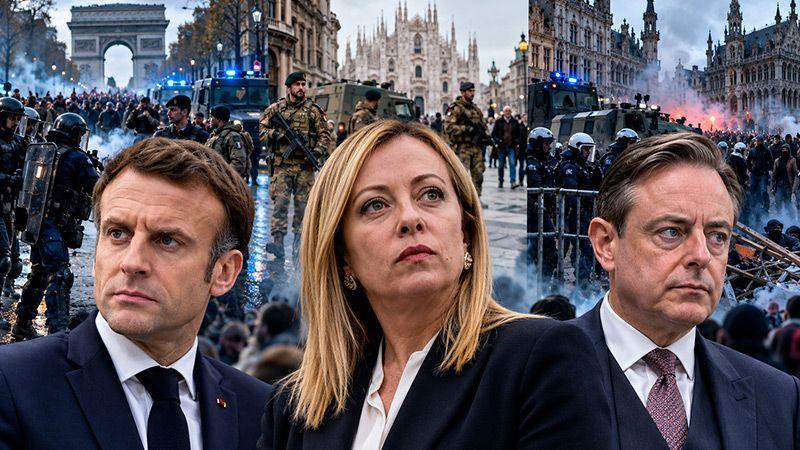
Meloni targets vandalism
Italy approved tougher penalties for violent demonstrations and ordered 500 troops into Milan as unrest and wider protests over rising living costs continued.
Prime Minister Giorgia Meloni said in a social media post, "There is nothing revolutionary about vandalising and stealing. Vandalism and theft are not protest, they are criminality," as the decree took effect immediately.
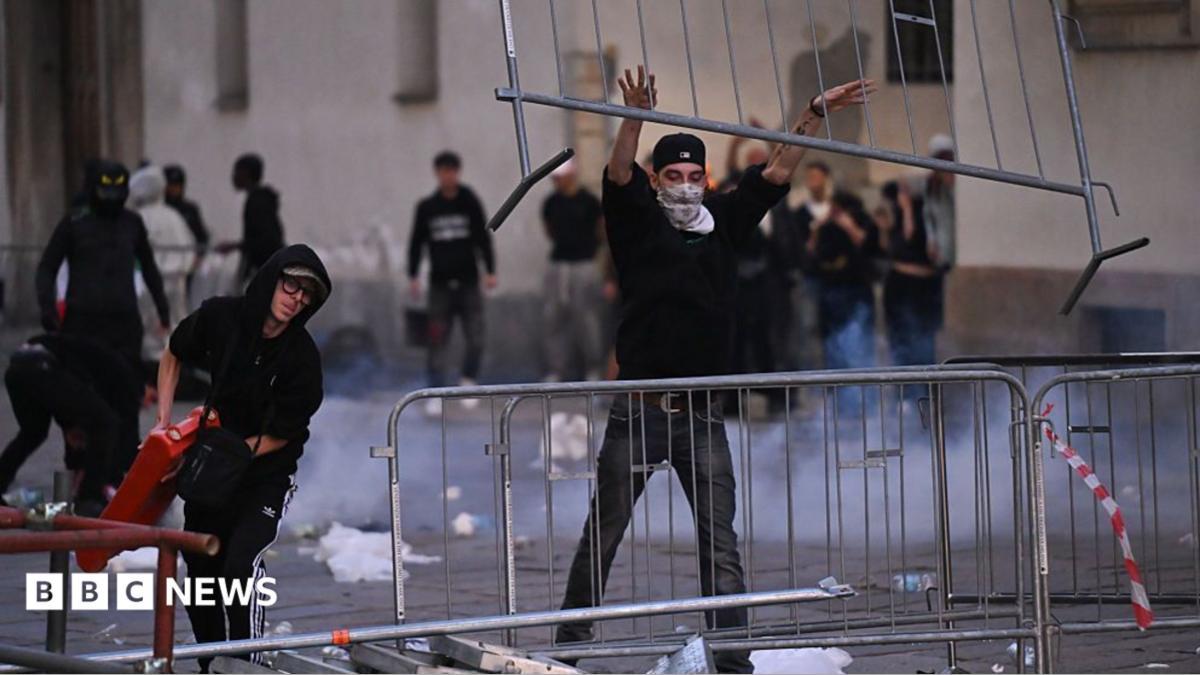
The decree introduced a prison term of up to five years and fines of up to €20,000 for anyone who participates in a group of at least five people that endangers public safety during a demonstration.
The decree also expanded police powers to detain teenagers aged between 14 and 17, even if they have not committed a crime, provided there is evidence that they pose a danger.
The government tied the crackdown to weekend unrest in northern Italian cities, including Milan, where groups of mainly young people smashed windows, looted shops and attacked police.
Detention, fines, and troops
The decree created a new offense of violent participation in this area and imposed tougher sanctions against rioters, while also establishing financial responsibility for parents whose children engage in looting and vandalism. The decree said any person in a group of at least five people who endangers public safety during protests faces up to five years in prison and a fine of up to 20,000 euros. Foreign Minister Antonio Tajani vowed that the government would respond to recent clashes and looting in Milan "with great firmness," and he announced that 500 military personnel would be deployed to the city's streets.
Tajani said, "Five hundred military personnel, who will also be granted judicial police powers, will be deployed to help ensure security and carry out robust preventive measures," as the government moved to prevent new disturbances. The government also faced a separate wave of protests in the south, where truck drivers staged roadblocks over soaring diesel prices and the rising cost of living, disrupting supply chains.

Opposition fears and next weekend
Milan’s mayor Giuseppe Sala said he was "worried" about the situation ahead of the next weekend, after the government announced new security measures aimed at preventing the same episodes from repeating. Sala said, "I am concerned that this situation, which also stems from a discontent that all of us cannot ignore, focuses only on violence and on the repression of it," and he added that politics must address the causes and origins of that discontent. The main Italian union CGIL called a demonstration in Milan for the afternoon of Wednesday to "contrast inequalities and injustices and to build a fairer society," and it said the events in Milan on Saturday and Sunday were "very serious."
The union leaders said the destruction, vandalism and looting were unacceptable acts that must be condemned, and they said those acts have nothing to do with dissent, freedom of expression, and social protest. The government also said it was bracing for further unrest during demonstrations planned for Saturday, with the army deployed alongside police in Milan through the end of the year.