Protestsupdated 1h ago2 min read
France Imposes Partial Curfews in Paris After Police Admit Losing Control During Protests
This article is an automated aggregation of coverage from news outlets. Our editorials offer in-depth analysis curated by the NewsCord team.
Partial, local curfews imposed in Paris and other cities after weekend protests. Curfews aim to restore public order after police admitted losing control during unrest.
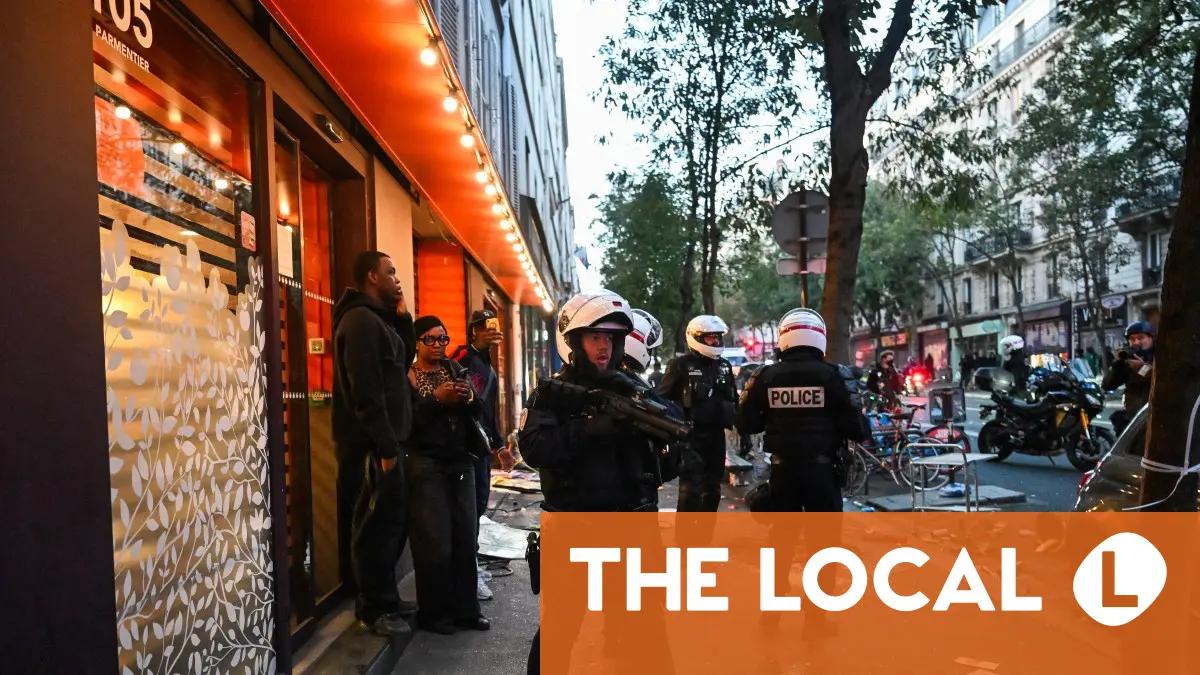
Curfew after weekend unrest
France imposed partial curfews in parts of Paris and other cities after police admitted they had “lost control” during violent weekend protests across the country. Prime Minister Sébastien Lecornu said he was “fully resolved to restore public order” and called for “local and partial” curfews if needed rather than a full curfew on entire cities. Paris police imposed curfews from 11pm on Monday until 6am on Tuesday in two areas, Place de la République and the shopping neighbourhood of Les Halles, and police said the orders banned gatherings and demonstrations and prohibited anyone from entering or remaining in the designated areas.
“The curfew imposed in certain areas helped restore calm this night.”
Lecornu’s office said the government would review security shortcomings and tasked Laurent Nuñez with “promptly implementing new operational methods for security forces to use on the ground in combating rioters.” The curfew enforcement in Paris included a helicopter that hovered over Place de la République as a spotlight to ensure the square was free of people.

Police, arrests, and blame
Laurent Nuñez told French radio that “You couldn’t look shopkeepers in the eye after hundreds of shops had been looted and say we hadn’t lost control,” while he acknowledged a “lack of anticipation” in the deployment of security forces. Gérald Darmanin said “2,513 people had been arrested and 67 imprisoned since the violence broke out over the weekend,” and he added that “about 80%” of those arrested were being prosecuted. Emmanuel Grégoire said on Monday that “Maintaining public order is the responsibility of the state,” and he added, “It is the state that was at fault this weekend.”
Macron refused Nuñez’s resignation and demanded instead that Nuñez “take all necessary steps to ensure transparency over planning and intelligence failures,” according to Macron’s office. The Paris police statement said the curfew orders aimed to protect “people and property from the violence and looting,” while also banning gatherings and demonstrations from 8pm.
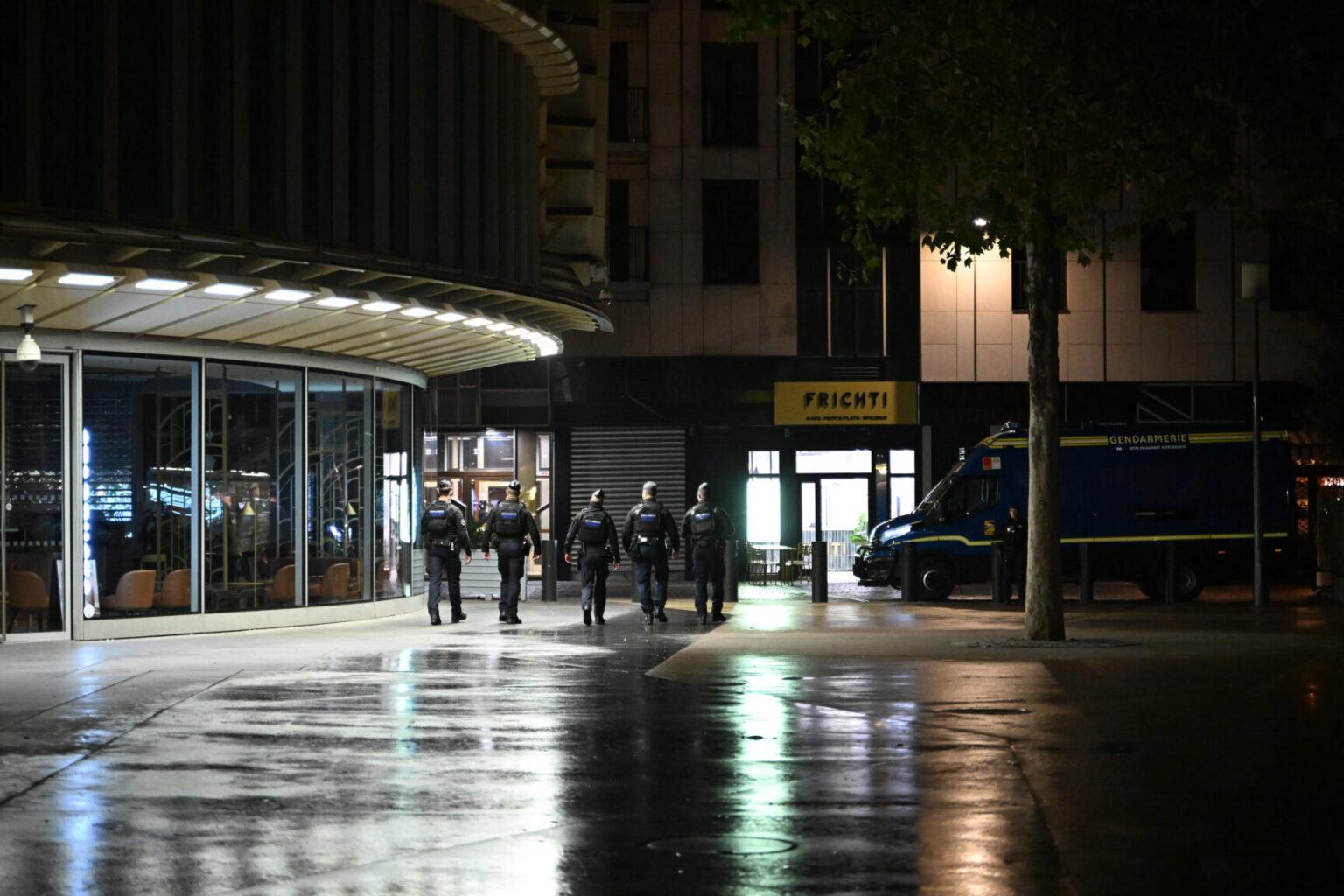
What comes next
French unions called for a new round of strikes and rallies on 5 November, as Lecornu said partial curfews seemed “more appropriate” at this stage. Macron demanded a full security review and “new operational methods” to end the rioting, and the government said it would set aside money to help affected areas recover from damage. Lecornu said there “will be a law that will be put in place to find ways of making sure that those who have damaged properties will have to pay,” and he also announced a partial unemployment fund for those who could not work as a result of the riots and looting.
The Paris police préfecture said demonstrations were banned in several Paris neighbourhoods from 8pm on Monday until 6am on Tuesday, with the measures centred around Place de la République and Les Halles. In Marseille, Benoît Payan said not just democracy but “the very foundations of the Republic” had been undermined, describing the situation as “almost insurrectional” while saying the government’s attempts to blame the far left amounted to “petty political manoeuvring.”