Protestsupdated 1h ago3 min read
Archive photo · 17 October 2026French Police Fired 22,000 Tear Gas Grenades; Women Report Heavy Bleeding and Miscarriages
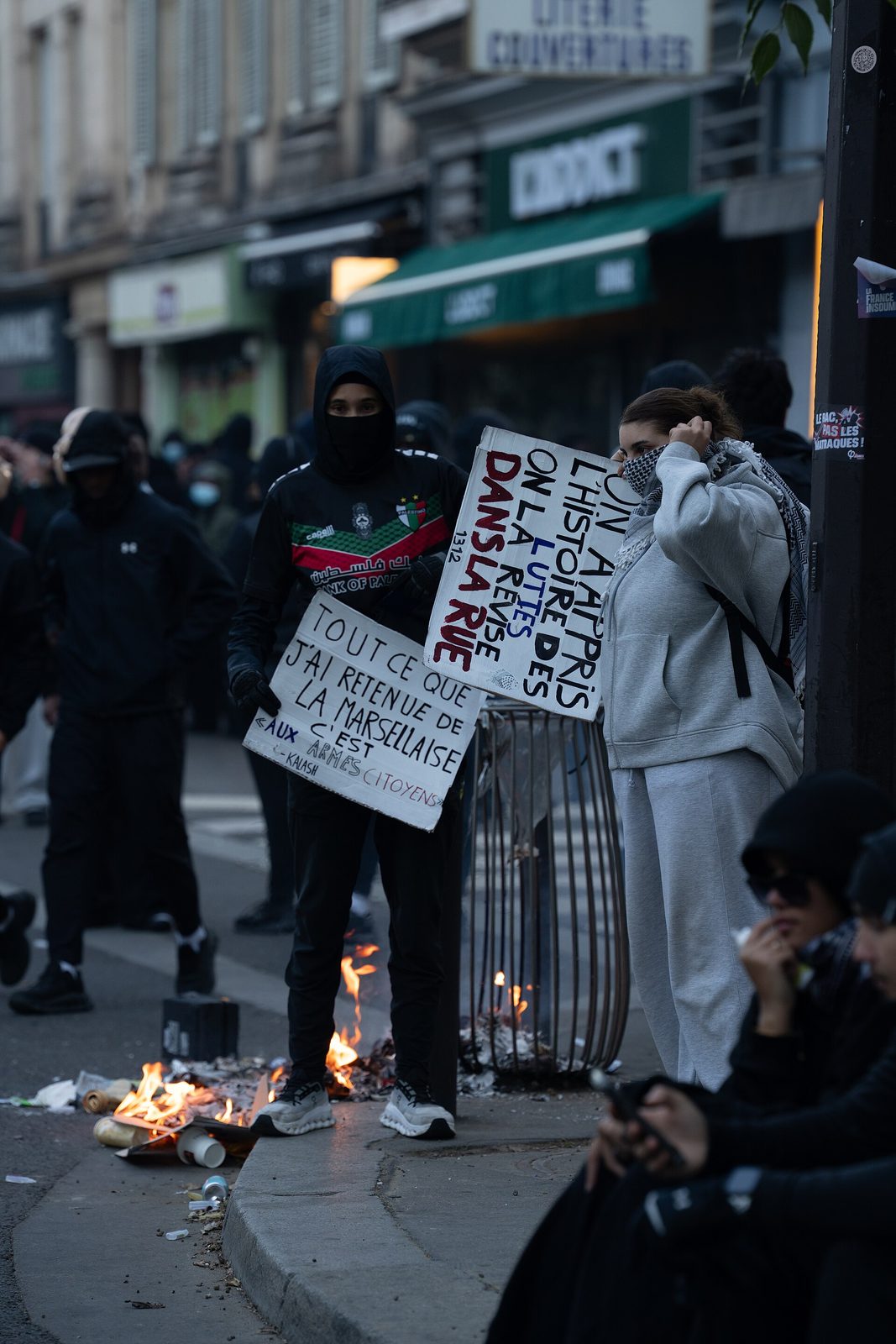
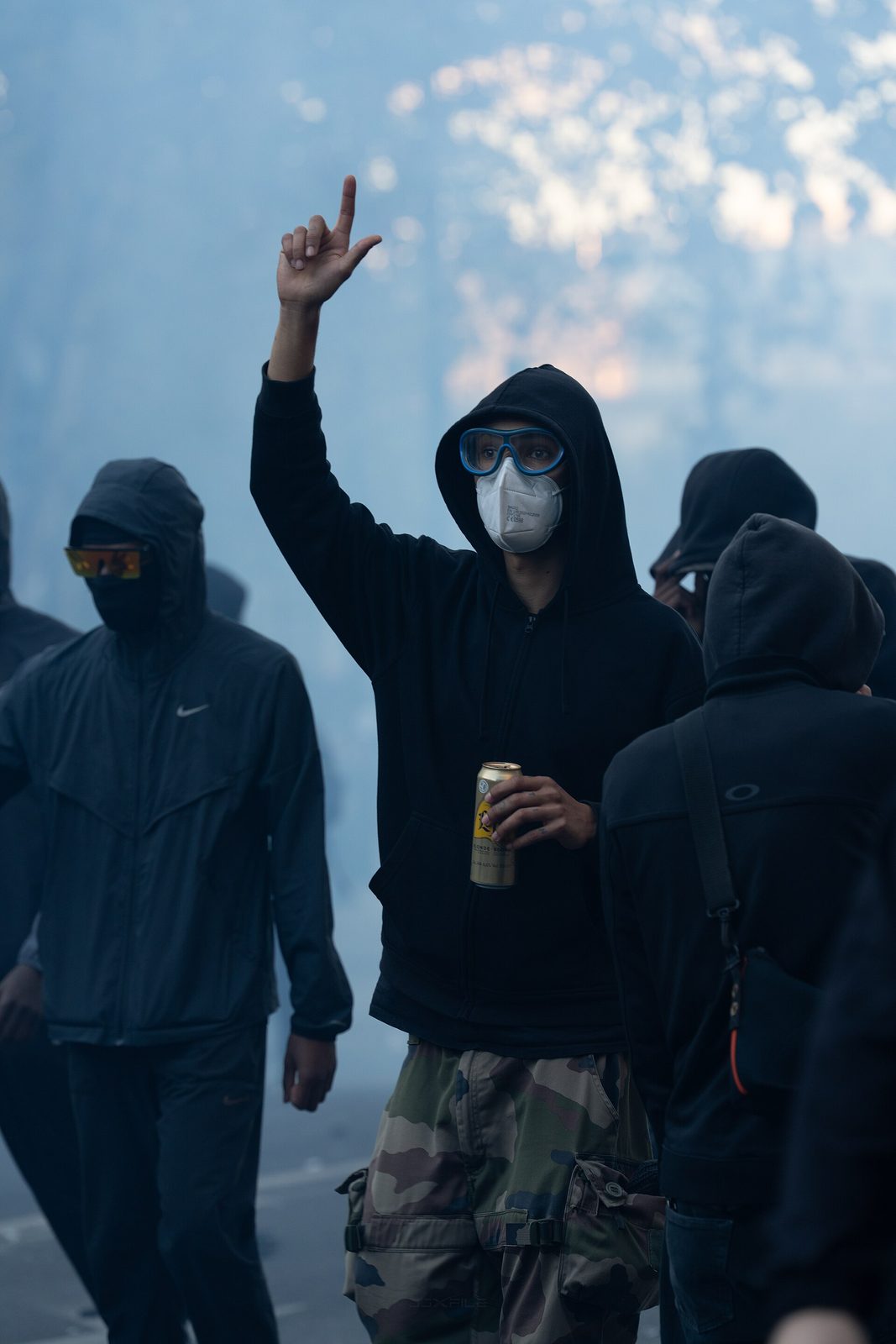
4 West Asian1 Western MainstreamPhoto: Jorge Jaramillo | @JJxFile, CC BY-SA 4.0 · Cropped for layout
This article is an automated aggregation of coverage from news outlets. Our editorials offer in-depth analysis curated by the NewsCord team.
French police fired about 22,000 teargas grenades on Oct 17. Thousands of women report heavy bleeding and miscarriages after exposure.
Save coverage image
5 outlets in this story. Read their headlines below.
Tear gas health claims
French police fired about 22,000 tear gas grenades at protesters on 17 October at the height of nationwide protests, according to The Guardian, and activists and health researchers feared tens of thousands of women and young girls suffered immediate and long-term reproductive harm. Naïma Di Piero, a 46-year-old charity worker who suffers from endometriosis and takes the contraceptive pill to suppress her menstrual cycle, said that two days after being exposed to police teargas during the 17 October protests she began bleeding heavily. Lacrymos de Sang gathered testimonies from more than 9,200 women and girls, and the group said 94% reported gynaecological symptoms including severe uterine cramps, unusually heavy bleeding, blood clots, or menstrual irregularities.
Di Piero told The Guardian, “I’ve never bled like that before,” and she said her pain disrupted her sleep and left her dependent on painkillers and a hot-water bottle at night. The Guardian reported that Dr Maha Eid, an obstetrician-gynaecologist in the emergency department of Port Royal Maternity Hospital in Paris, admitted patients with debilitating menstrual pains and a sharp worsening of endometriosis symptoms during her shift on October 20.
Testimonies and scientific debate
Lacrymos de Sang said it collected testimonies from more than 9,200 women and girls, and it reported that 94% described symptoms including severe uterine cramps, unusually heavy bleeding, blood clots, or menstrual irregularities. Solène Rougeux, a doctoral researcher in neuroendocrinology who joined the collective and led the data’s analysis, told The Guardian, “Stress can disrupt menstrual cycles, causing periods to come earlier or later, but it cannot explain heavy bleeding in people who have gone through menopause, nor can it account for miscarriages.” Eva-Luna Tholance, the collective’s founder, added that “We don’t know what repeated exposure to teargas could mean for their reproductive health in the long term,” while The Guardian described limited scientific research linking teargas exposure to women’s health.
The Guardian reported that Dr Maha Eid said the irritant gas material “chloro-benzylidene malononitrile” known as CS may activate receptors in the endometrium, potentially triggering uterine contractions and increasing the risk of early miscarriage. By contrast, the French Interior Minister Laurent Nunez rejected calls to abandon tear gas, stressing its importance as a police tool and noting that there is no published scientific evidence proving that tear gas causes menstrual disturbances or abortion.
Calls for bans and inquiry
French MP Mathilde Heinée, from the France Insoumise party, announced plans to introduce a bill banning the use of tear gas substances to disperse demonstrations, as testimonies and rights demands mounted. Eva Luna Toulans, founder of Lacrim de San, called for suspending tear gas use until independent scientific studies reveal its health effects, especially on pregnant women and hormonal and reproductive health, according to the Arabic-language report. The consumer and resident protection association CLCV asked the French Agency for Health Security, Food, Environmental and Occupational Safety to conduct an independent scientific assessment of potential risks to fertility, pregnancy, and child development, and the agency said it would study the request.
The Guardian described how the protests began in mid-September and peaked on 17 October, and it said thousands of women across France began reporting similar symptoms after exposure to teargas during that wave. In the same reporting, The Guardian said the French Interior Minister announced to parliament that government studies conducted in 2021 and 2022 found no evidence of specific health risks from tear gas use, while affirming the ongoing use by police.