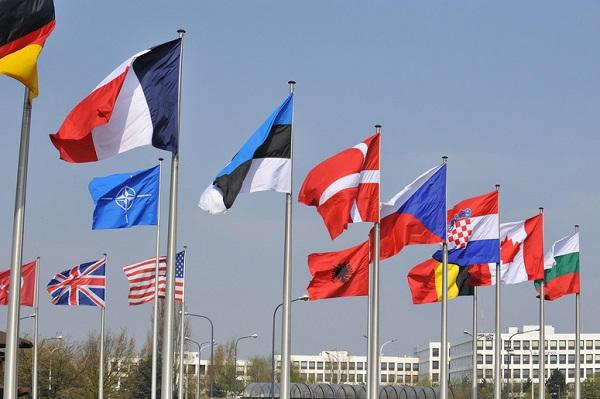
Germany’s Friedrich Merz Unveils Ankara NATO Budget Plan Boosting Defense Spending
Key Takeaways
- NATO targets 5% of GDP for defense by 2035.
- Ankara hosts calls for credible defense spending plans ahead of NATO summit.
- European rearmament timeline spans 2030-2035 with intensified spending.
Germany’s defense budget push
Germany is preparing a new budget plan ahead of a NATO summit in Ankara, with Chancellor Friedrich Merz putting Germany's rearmament drive at the center of government spending.
“Russian Threat December 13, 2025 Warning that Europe must prepare for a war on a scale comparable to those of the 20th century, NATO Secretary General Mark Rutte has reignited the debate about the Russian threat”
The draft budget approved by Merz's cabinet allocates one in every five euros of federal expenditure in 2027 to defense, and it projects defense expenditure rising to nearly one-third of federal spending by the end of the decade.

German Finance Minister Lars Klingbeil said in Berlin Monday, "We cannot defend ourselves against Putin with a balanced budget," as he presented the draft federal budget for 2027.
For 2027, the government is planning total expenditure of €555.4 billion, including €109.7 billion for defense spending, and the plan also projects €183.7 billion to be spent on defense in 2030 out of a projected €635.4 billion total.
The POLITICO.eu report says the 2027 spending plan was unveiled ahead of this week's NATO summit in Ankara, where European leaders are expected to try to convince U.S. President Donald Trump that they are committed to boosting military spending and taking greater responsibility for Europe's defense.
Rutte presses credible plans
NATO Secretary-General Mark Rutte urged European allies to demonstrate a credible roadmap to consolidate the continent's rearmament, warning in Ankara that he expected clear, concrete, and credible spending plans toward 5%.
Rutte said at a press conference in the Turkish capital, "Here, in Ankara, I expect the nations to present clear, concrete, and credible spending plans" to ensure all countries are on the right track toward the defense investment target of 5%.

The El País report says the 2025 The Hague summit pledged 3.5% in pure military spending and a further 1.5% in infrastructure, roads, bridges and ports, so that troops can move faster in a crisis.
It adds that in total, 5% is the target, except Spain, which argued it could meet commitments by investing 2.1% of GDP, and it notes Rutte cited Canada as spending around 4% of its GDP this year.
El País also reports that Rutte warned that if there are still one or two partners to convince, "we have ways to do it," and it frames the pressure around U.S. expectations and threats tied to the alliance.
Targets, timelines, and consequences
NATO members have agreed to raise their military spending to 5% of their GDP by 2035, with the Zone Militaire account pointing back to a 2014 Newport summit pledge to reach 2% by 2025 and allocate 20% to acquisition and/or modernization.
“Europe has already committed itself to a historic rearmament effort in order to have a credible defense by 2030, following threats from the United States to reduce its investment in NATO and to prepare for a possible conflict with Russia”
The same report says Germany announced raising its military spending to 3.5% of its GDP by 2029, and it quotes NATO Secretary General Mark Rutte saying, "Russia is currently producing four times as many munitions as the entire NATO at this very moment."
Zone Militaire also states that at the last NATO summit, held in The Hague, Netherlands, the 32 Allies aligned with the 5% objective and that the final declaration reaffirmed an "unwavering commitment to collective defense."
Separately, POLITICO.eu reports that if European countries fail to meet NATO’s 5 percent spending target, the alliance will split into “two or three parts,” Gitanas Nausėda warned.
In the POLITICO.eu account, it is also stated that the 2027 draft budget still needs to be approved by lawmakers in a vote expected in the fall, while projected budget shortfalls of €22.4 billion in 2028 and €38.8 billion in 2029 loom.
More on Europe
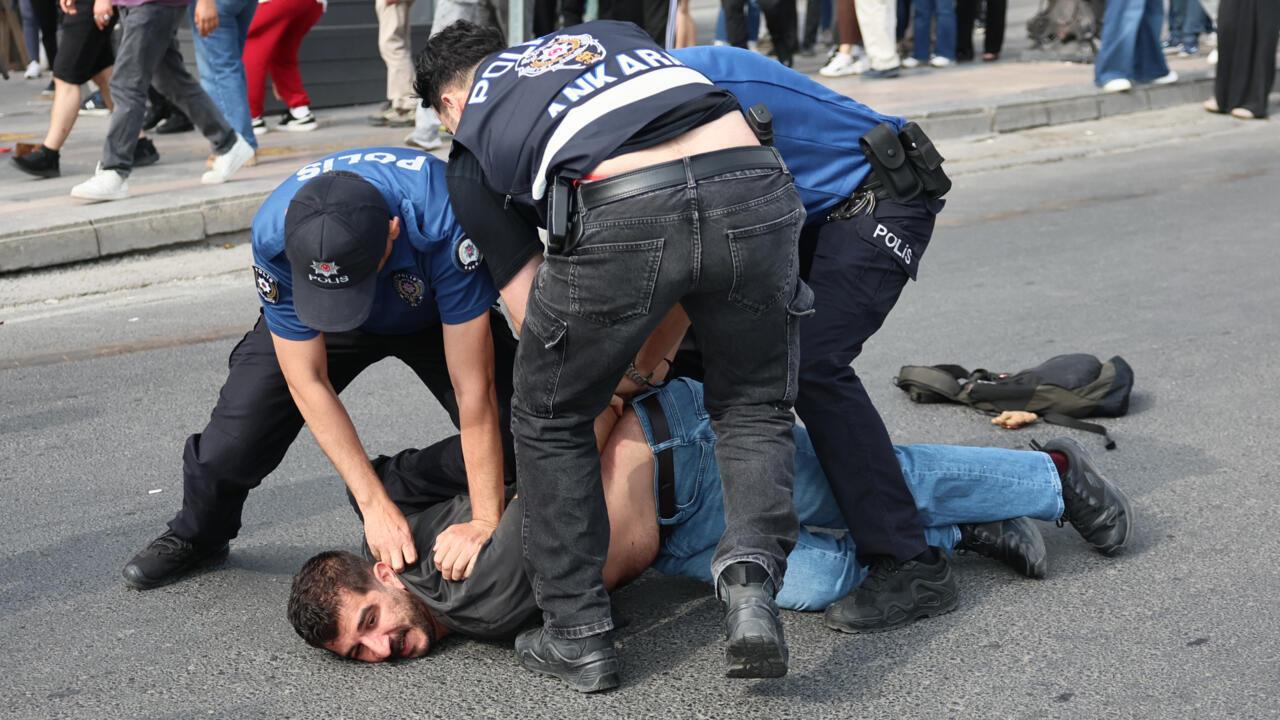
Turkey Arrests More Than 200 In Ankara Ahead Of NATO Summit, Detains Comedian Deniz Göktaş
15 sources compared

Paris Appeals Court Rules Tuesday on Whether Marine Le Pen Can Run in 2027
12 sources compared
Masked Burglars Steal Several Million Euros in Jewellery From Lalique Museum in Wingen-sur-Moder
17 sources compared
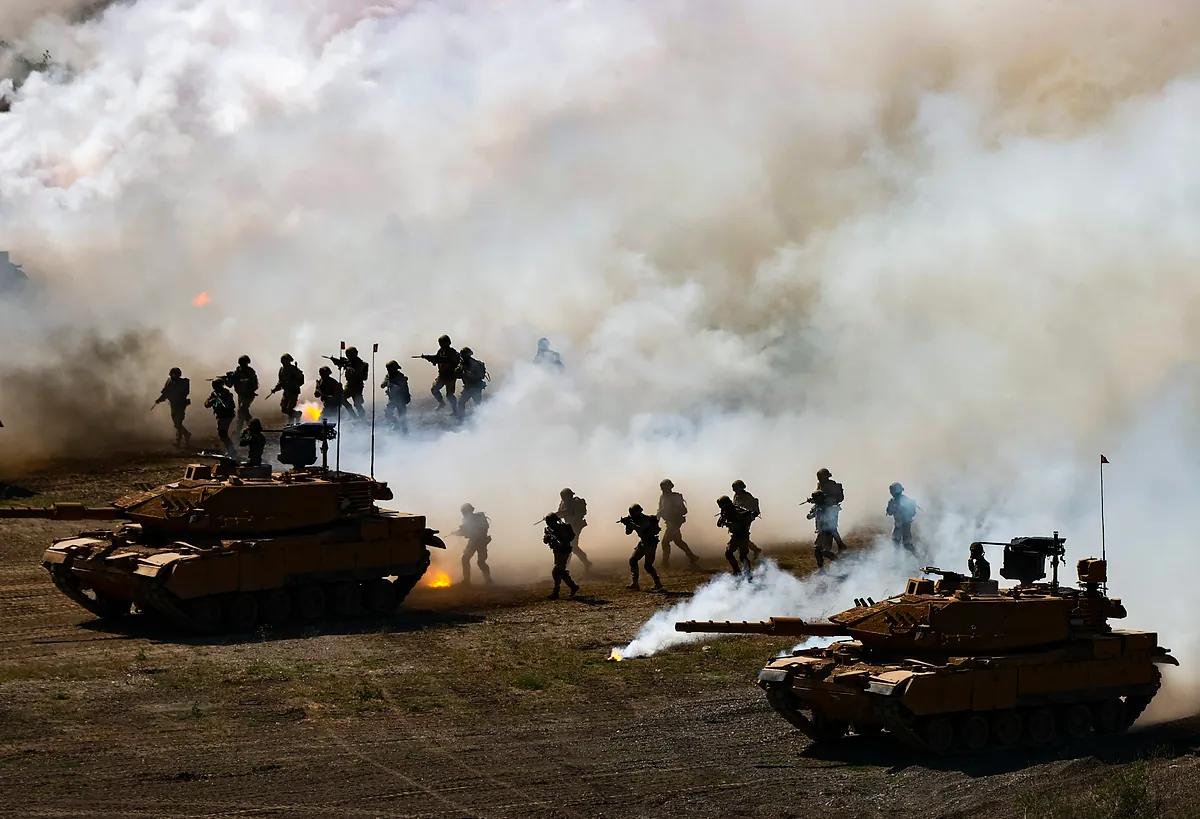
Erdoğan’s Turkey Faces NATO Contradictions After 2016 Coup Attempt and Ukraine War
14 sources compared