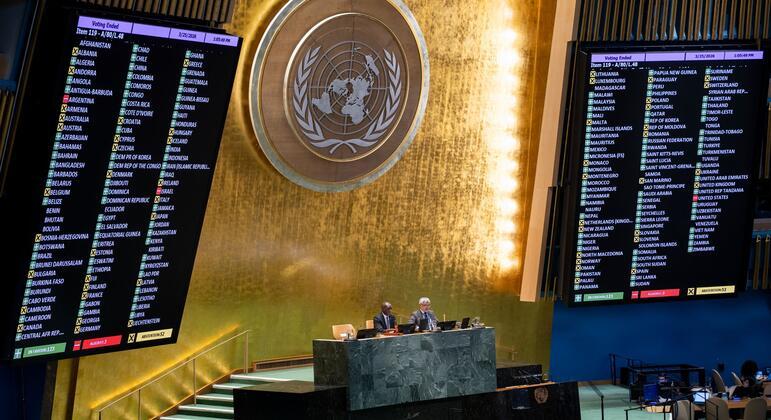
Ghana-led United Nations General Assembly Demands Reparations, Apologies, Prompt Return of Looted Artefacts
Key Takeaways
- UN General Assembly adopts resolution labeling transatlantic slave trade gravest crime against humanity.
- Resolution calls for reparations and restitution of looted cultural items.
- United States, Israel, and Argentina voted against the measure.
Intro and vote overview
The United Nations General Assembly, led by Ghana, adopted a resolution describing the enslavement and trafficking of Africans across the Atlantic as 'the gravest crime against humanity'.
“In a historic move, the United Nations General Assembly has formally declared the transatlantic slave trade the gravest crime against humanity, marking a powerful step toward global recognition of one of history’s most defining injustices”
The vote tally was 123 in favour, 3 against, and 52 abstentions.
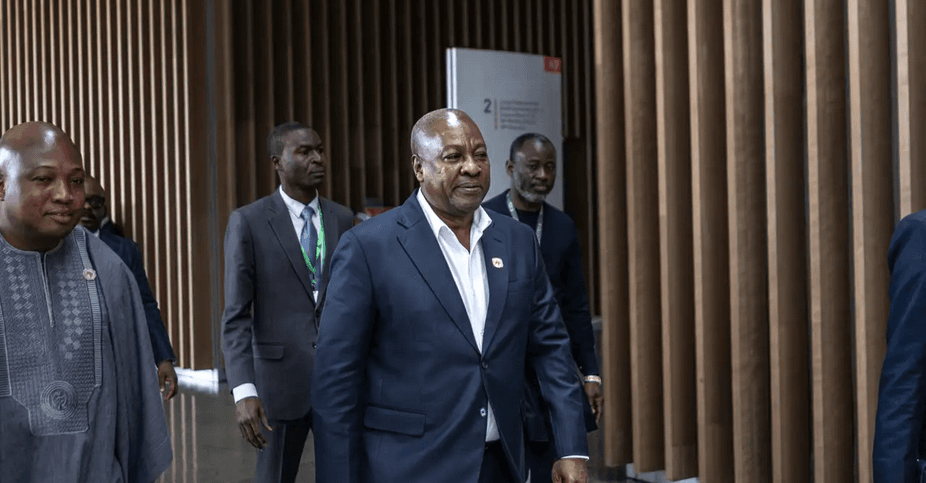
The text calls for reparations, apologies, and the restitution of looted artefacts.
It is non-binding but signals a growing global push for restorative justice.
Opposition and abstentions
Argentina, Israel and the United States were the three members voting against the resolution.
The United Kingdom and all 27 EU members abstained from voting.

EU member states largely abstained, with Britain cited among those hesitant to back the measure.
U.S. officials argued that reparations lack a legal basis and objected to ranking crimes against humanity in a hierarchy.
Reparations and artefact restitution
The resolution goes beyond recognition by calling for restorative actions, including apologies, reparations, and the prompt restitution of looted cultural artefacts to their countries of origin without charge.
“In a move described as historic, the United Nations General Assembly adopted a resolution describing the enslavement and trafficking of Africans across the Atlantic as 'the gravest crime against humanity,' with European Union member states and Britain abstaining from voting”
UN sources describe the restitution as 'prompt and unhindered'.
Ghanaian officials emphasised that reparations are about justice, not personal gain, and that the push includes returning artefacts and addressing educational and development needs.
Al-Jazeera Net and Africa highlight that the text also envisions the return of cultural property and broader reparative measures, reflecting a long-standing push for accountability from Africa and the Caribbean.
Non-binding nature and framing
Western media and governments argued that reparations have no clear legal footing, while others framed the vote as a meaningful step toward addressing historical injustices and racial inequality.
Analysts noted the non-binding nature of General Assembly resolutions and framed this as a political signal rather than a binding obligation, with debates likely to continue over the scope and mechanics of reparations.

UK/EU abstentions were described as cautious, not a denial of wrongdoing, reflecting concerns about legal implications and governance of reparations.
The vote's symbolism is paired with calls for practical pathways to education, development, and memory projects as part of restorative justice.
Global significance and next steps
The resolution elevated reparations and anti-racism considerations to a global political issue, and while many Western powers resisted, advocates framed the vote as a long-overdue reckoning with colonial legacies.
“Skip to main content All the latest news 24/7 With our free app Install Themes War in Iran Municipal elections 2026 News International France World Paris Culture Entertainment People Digital life Sports Lifestyle Environment News Oddities Video games Nutrition Health Science The corner partners Buying guides Weather Astrology Games Lottery * TV Program Breaking news Live Breaking news Live WATCH TO FOLLOW Ghana to submit a UN draft resolution to recognize the transatlantic slave trade as the gravest crime against humanity On March 25, the International Day of Remembrance of the Victims of Slavery and the Transatlantic Slave Trade is celebrated every year at the United Nations”
Supporters emphasised that the resolution is a 'safeguard against forgetting' and a platform to demand concrete actions beyond mere acknowledgment, including education, memory projects, and the return of stolen heritage.
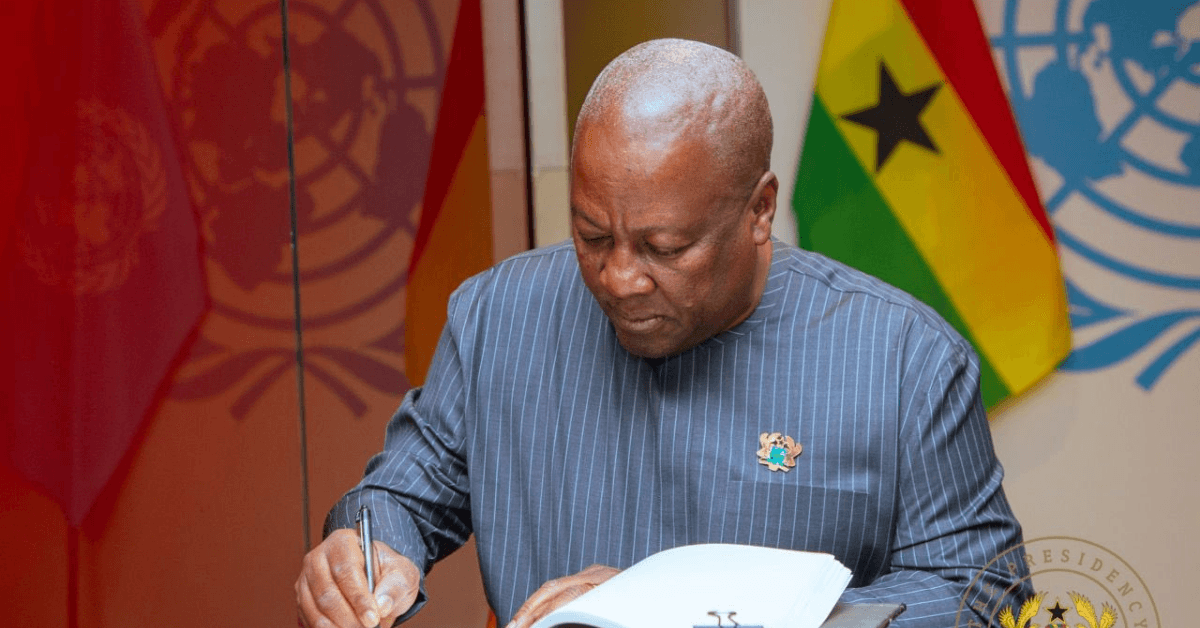
Backing from the African Union and CARICOM, and a growing Global South coalition, were repeatedly highlighted by supporters.
The vote is seen as a defining moment that places reparations on the international agenda and increases pressure on former colonial powers to engage with the issue.
More on Africa
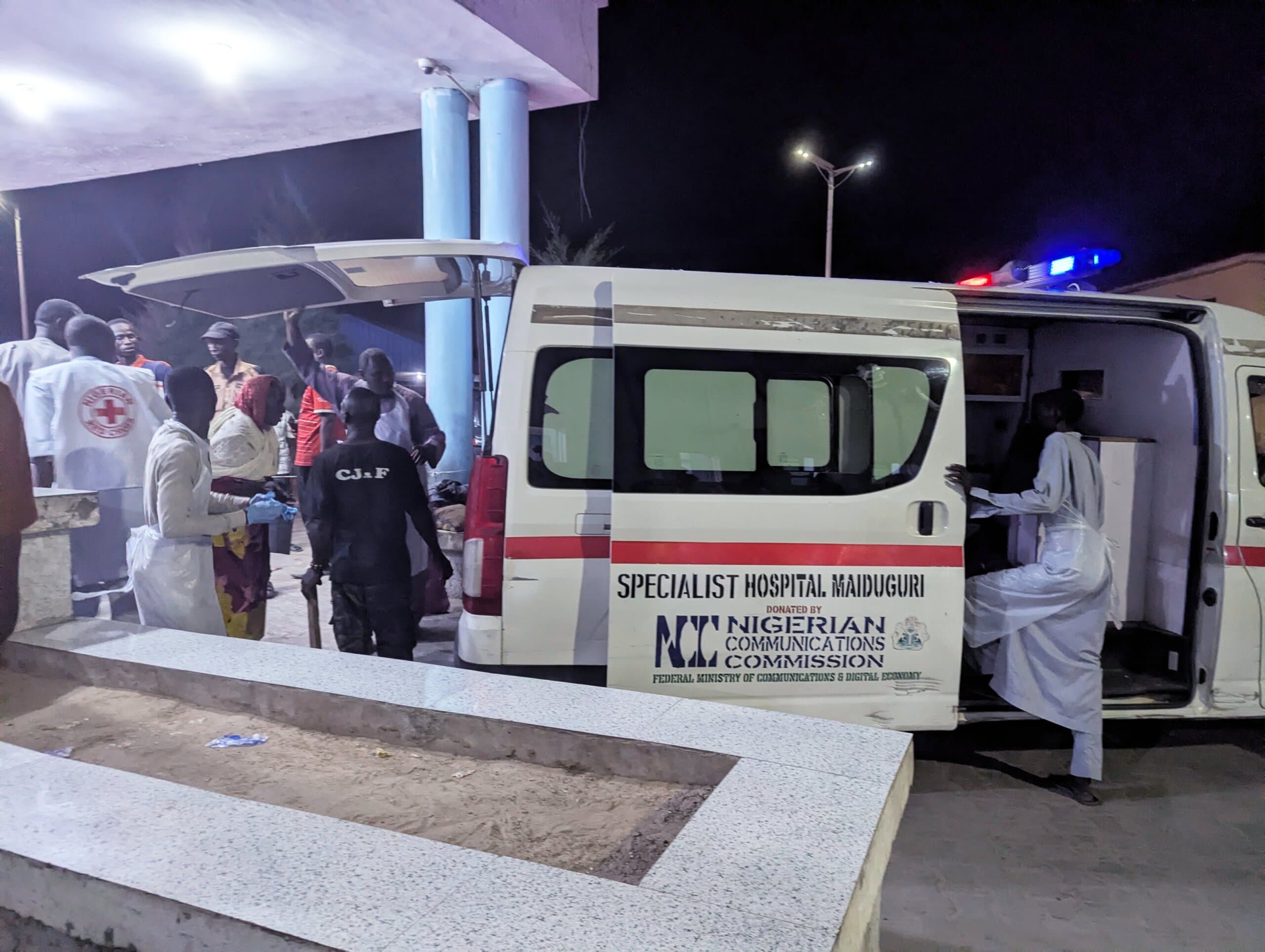
Boko Haram suicide bombers kill 23 in Maiduguri
24 sources compared

Somaliland Offers US Exclusive Access to Minerals and Military Bases to Win Recognition
10 sources compared
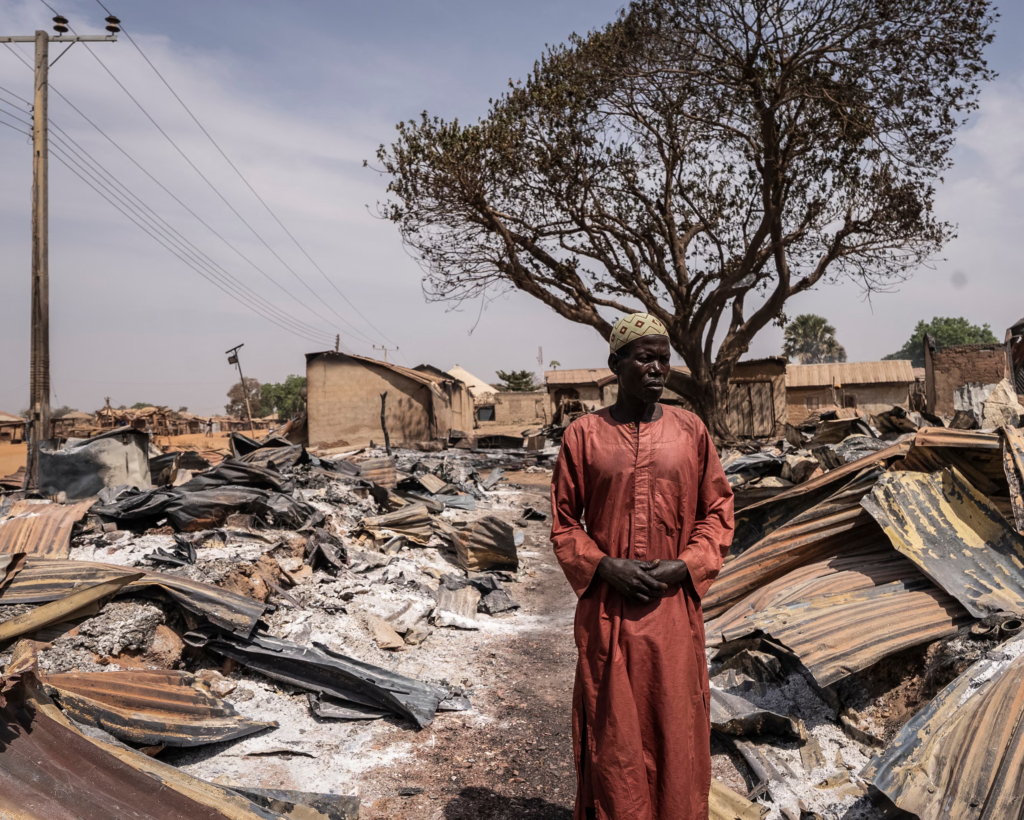
Boko Haram Gunmen Massacre Scores of Villagers in Kwara and Katsina After Sending Letter Asking to Preach
19 sources compared
Boko Haram Gunmen Massacre Villagers in Kwara After Sending Letter Asking to Preach
20 sources compared