
Global Energy Crisis Deepens as Hormuz Closure Chokes Oil Supplies
Key Takeaways
- Hormuz closure risks imminent fuel shortages and higher oil prices in Asia and the US.
- Asia's life and economies face disruption, notably Korea's chip sector vulnerability.
- Oil flows through Hormuz remain restricted, triggering price shocks and policy questions.
Fuel Shortages Loom Globally
The closure of the Strait of Hormuz precipitated a major energy shock.
“The worries of fuel-supply chain managers are growing about the potential for an actual fuel shortage to emerge within weeks, unless restrictions on oil flows through the Strait of Hormuz are eased quickly”
Al-Taqa reported worries of an actual fuel shortage within weeks.
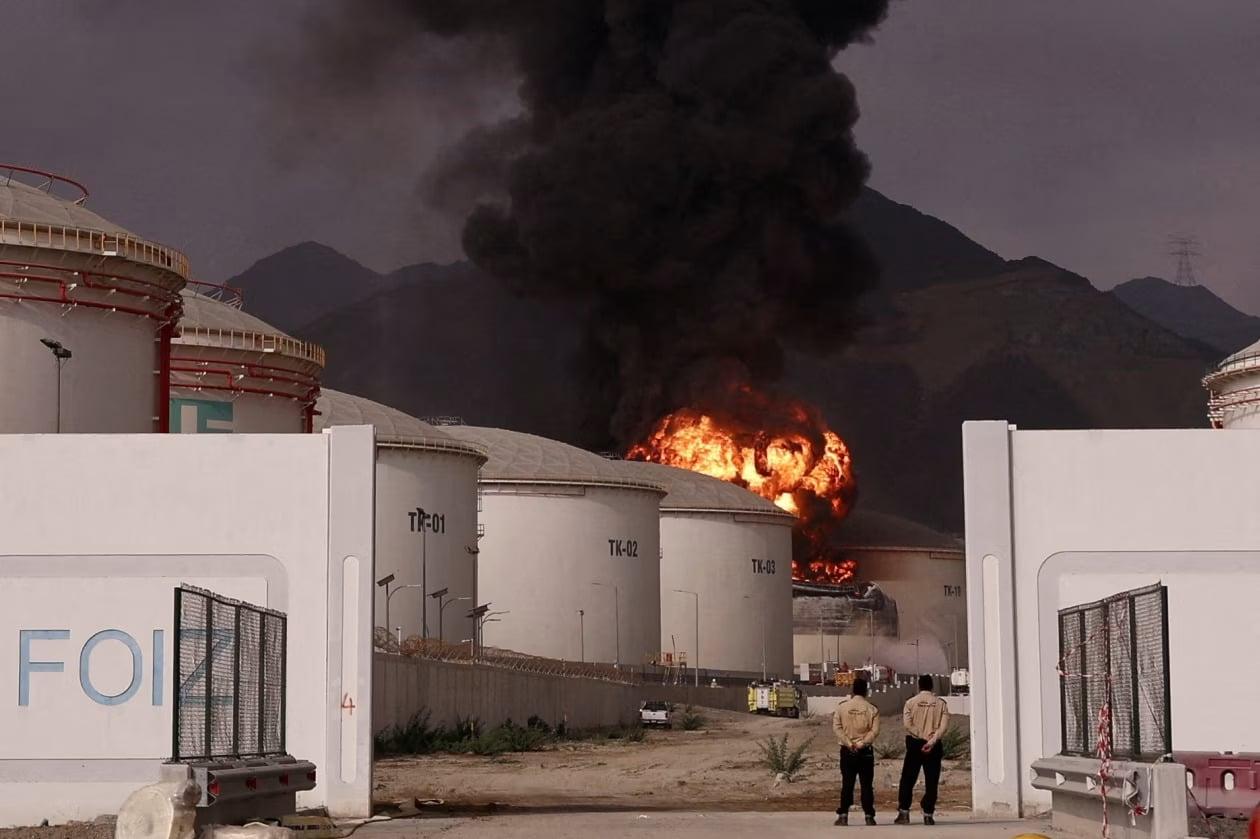
Five OPEC+ countries cut production due to tanker traffic stoppage.
Tanker volume plummeted to less than 10 percent of pre-war levels.
The IEA released 400 million barrels from strategic reserves.
Asian Markets Hit Hardest
Asia imports around 80 percent of its oil through the Strait of Hormuz.
The US West Coast is an energy island with no Gulf Coast pipelines.
Several Asian countries have started rationing fuel.
China sees over 40 percent of its oil shipments blocked.
Iranian oil flows remained robust despite the closure.
South Korea at Energy Crossroads
The crisis is testing South Korea's progressive government's ability to balance goals.
Immediate fuel subsidies consume budgets earmarked for social spending.
South Korea imports 84 percent of its energy and is especially exposed.
More on USA

Donald Trump Threatens To Cut U.S. Troops In Germany, Citing Review
14 sources compared

Trump Receives CENTCOM Briefing on Potential U.S. Military Action Against Iran Thursday
13 sources compared
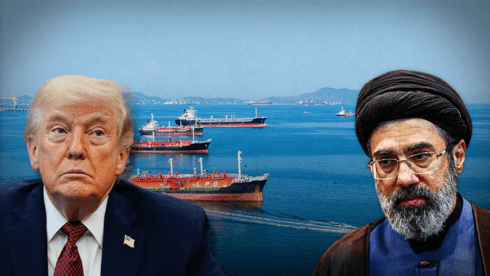
Donald Trump Vows To Keep Iran Naval Blockade Until Nuclear Deal Is Reached
18 sources compared

King Charles III Delivers Joint Address to Congress in Washington, Cites Bonds With United States
11 sources compared