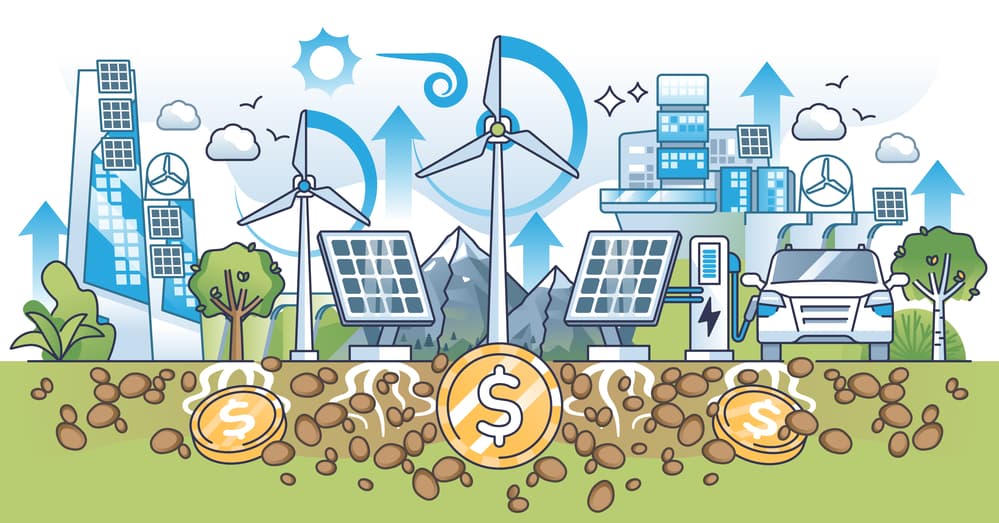
Global Powers Scramble To Control Critical Minerals, Tech And Infrastructure Redrawing Energy Geopolitics
Key Takeaways
- World is shifting from oil to electrification and renewable energy
- Global powers compete to control energy resources, technologies, and infrastructure
- Energy geopolitics is transforming, reshaping the global balance of power
Race for resources
Global powers are racing to secure critical minerals, technologies and infrastructure as the energy transition reshapes geopolitical power.
“As the world shifts from fossil fuels to electrification and renewable energy, the struggle for control over resources, technologies, and infrastructure is reshaping the balance of global power”
Analysts warn that rising demand for minerals and for the grid and storage systems that use them is creating strategic dependencies and a new security focus among states; the global critical minerals market already tops USD 300 billion and is expected to grow substantially.
Energy security has emerged as a central element of international politics, turning access to raw materials and control of supply chains into instruments of influence and competition.
Minerals driving demand
Certain minerals—especially lithium and copper—have become linchpins of the transition because of their central role in batteries, electric vehicles and grid components.
Studies cited in the reporting estimate global lithium demand could multiply many times by 2040, while copper demand could rise 30–40% as electrification spreads; electric vehicles alone need several times more copper than conventional cars.
Other inputs such as cobalt, nickel and rare earth elements are likewise central to batteries, wind turbines and advanced electronics, intensifying competition for diversified supplies.
Infrastructure needs
Beyond raw materials, the physical infrastructure to produce, move and integrate clean energy is a massive geopolitical factor.
“As the world shifts from fossil fuels to electrification and renewable energy, the struggle for control over resources, technologies, and infrastructure is reshaping the balance of global power”
Electricity networks today span over 80 million kilometres and upgrading them for renewables and storage will require enormous investment; some estimates in the reporting put grid investments at more than USD 20 trillion in coming decades.
Those investments determine which regions can integrate variable renewable supplies, stabilize systems, and expand access, making infrastructure a strategic asset as well as an economic challenge.
US–China tech rivalry
The contest for clean-energy supply chains is also a rivalry over industrial leadership, with China and the United States positioned as principal competitors.
Reporting notes China’s dominant role in manufacturing solar panels, batteries and other energy-transition technologies, while the United States retains strengths in innovation, finance and industrial capacity.
This competition spans production, technology, and control over the components that will underpin the 21st-century energy system and will shape which countries gain economic and strategic leverage.
Geopolitical implications
The combined effect of surging mineral demand, concentrated supply, and vast infrastructure needs implies heightened geopolitical risk and the potential for new alliances and tensions.
“As the world shifts from fossil fuels to electrification and renewable energy, the struggle for control over resources, technologies, and infrastructure is reshaping the balance of global power”
The reporting highlights projections—such as the IEA estimate that mineral needs could multiply several times by 2040—and warns that interdependence can create cooperation opportunities but also leverage for states to use resources and infrastructure as political tools.
Policy responses will therefore need to address diversification, investment, and governance to avoid supply shocks and geopolitical friction as the energy system is redrawn.
More on Business
United Arab Emirates Quits OPEC Effective May 1 Amid Iran War And Strait Of Hormuz Tensions
70 sources compared

United Arab Emirates Quits OPEC And OPEC+ Effective May 1 Amid Strait Of Hormuz Disruptions
34 sources compared
Sheikh Mohammed bin Rashid Unveils Dubai Metro Gold Line, Dh34 Billion Underground Project
10 sources compared
Lufthansa Cuts 20,000 European Short-Haul Flights As Jet Fuel Prices Surge
11 sources compared