
United Arab Emirates Quits OPEC And OPEC+ Effective May 1 Amid Strait Of Hormuz Disruptions
Key Takeaways
- UAE will exit OPEC and OPEC+ effective May 1, 2026.
- The departure is described as a strategic move amid Iran war and Hormuz disruptions.
- It allows the UAE to boost domestic output and set production independent of OPEC quotas.
UAE quits OPEC May 1
The United Arab Emirates announced it will quit OPEC and OPEC+ effective May 1, a decision framed by the UAE as a shift toward “national interests” and “the UAE’s long-term strategic and economic vision and evolving energy profile.”
“The United Arab Emirates (UAE) said Tuesday it will withdraw from the Organization of the Petroleum Exporting Countries (OPEC) and the wider OPEC+ alliance, with effect from May 1, 2026, the Emirates News Agency (WAM) reported”
Al Jazeera reported the move would take effect on Friday, while CNBC said the UAE “will exit OPEC on May 1.”
In a Reuters interview carried by Al Jazeera, UAE Energy Minister Suhail Mohamed al-Mazrouei said the decision followed “a careful look at current and future policies related to level of production,” and he added, “This is a policy decision.”
The UAE’s state media statement, as quoted by Al Jazeera, said: “During our time in the organisation, we made significant contributions and even greater sacrifices for the benefit of all,” before adding, “However, the time has come to focus our efforts on what our national interest dictates.”
CNBC similarly reported that the UAE concluded exiting was in its national interest after a “comprehensive review of its production policy and capacity,” according to the Energy Ministry.
NBC News added that after the exit, the UAE would continue “to act responsibly, bringing additional production to market in a gradual and measured manner, aligned with demand and market conditions,” quoting the UAE’s state-run news agency statement.
The announcement also landed against a backdrop of the US-Israel war on Iran and disruptions in the Strait of Hormuz, with Al Jazeera saying the conflict caused a “historic energy shock” and rattled the global economy.
War, Hormuz, and export limits
Multiple outlets tied the UAE’s decision to the pressure the war on Iran has placed on Gulf energy flows, especially through the Strait of Hormuz.
Al Jazeera said OPEC’s Gulf producers have struggled to ship exports through the chokepoint “because of threats and attacks against vessels during the war,” and it specified that “a fifth of the world’s crude oil and liquefied natural gas supplies normally pass” through the strait.

CNBC similarly said Tehran’s attacks on shipping in the Strait of Hormuz “have also severely constrained the UAE's ability to export oil,” threatening “the foundation of its economy.”
Fox Business described the timing as reflecting “ongoing constraints on global oil flows, particularly through the Strait of Hormuz,” calling it “a key chokepoint between Iran and Oman that typically carries about one-fifth of the world’s oil and liquefied natural gas shipments.”
NBC News added that “with the Strait of Hormuz closed, it's not clear how fast any increased production would be able to reach global markets,” while also quoting the UAE’s statement about bringing “additional production to market” gradually.
The Guardian reported that the UAE’s exit came as global energy markets contended with “the biggest supply crisis in history,” and it said the war “has blocked a fifth of the world’s seaborne oil from flowing from Gulf producers through the strait of Hormuz.”
The Conversation also framed the timing as “a crucial time” for OPEC’s weakening, while noting the UAE’s decision was announced on April 28, 2026, to depart on May 1.
UAE says it wants flexibility
Beyond the immediate war-related constraints, the UAE’s stated rationale centered on production flexibility and the ability to respond to market conditions without OPEC quotas.
Fox Business said the departure “frees the UAE from group production quotas, giving it greater flexibility to increase output,” and it described the shift as aimed at positioning the country for “long-term global energy demand growth.”
In the same reporting, Reuters quotes UAE Energy Minister Suhail al-Mazrouei saying the decision followed a “careful look” at national strategy and was a “sovereign national decision,” and he added, “Being a country with no obligation under the group will give us flexibility.”
CNBC reported that Al Mazrouei said the UAE made the decision “at a time when it would be the least disruptive to the other producers in the group,” and he told CNBC, “Our exit at this time is the right time for it, because it will have a minimum impact on the price and it will have a minimum impact on our friends at OPEC and OPEC+.”
CNBC also said the UAE has the ambition to achieve “5 million barrels per day of capacity by 2027,” and it reported that the energy minister said the decision “has nothing to do with any of our brothers or friends within the group.”
NBC News added that the UAE’s statement said it would continue to act responsibly and bring additional production “in a gradual and measured manner, aligned with demand and market conditions.”
The Global Times version, citing WAM, similarly said the decision reflects “the UAE's long-term strategic and economic vision and evolving energy profile,” and it said the UAE would bring additional production “in a gradual and measured manner in line with demand and market conditions.”
OPEC unity fractures and Trump link
The UAE’s exit was also presented as a blow to OPEC’s cohesion, with outlets describing how the loss of a Gulf producer could weaken the cartel’s ability to coordinate.
Al Jazeera said the loss of the UAE, “a longstanding OPEC member,” could create “disarray and weaken the oil cartel,” and it described OPEC’s usual goal of showing “a united front despite internal disagreements.”
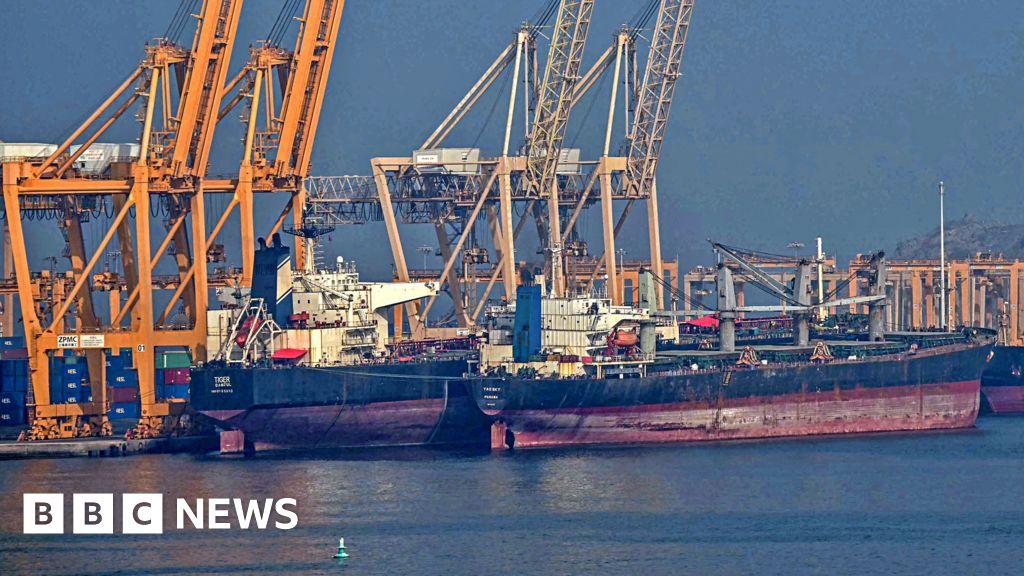
It also quoted Rystad Energy’s Jorge Leon saying, “Losing a member with 4.8 million barrels per day of capacity, and the ambition to produce more, takes a real tool out of the group’s hands,” and he added that “Saudi Arabia is now left doing more of the heavy lifting on price stability.”
The Guardian similarly said the UAE’s exit after “60 years of membership” was “a heavy blow” to OPEC and its de facto leader, Saudi Arabia, and it described the move as “a win for Donald Trump,” citing Trump’s accusation that OPEC was “ripping off the rest of the world” by inflating oil prices.
Al Jazeera also reported that Trump previously accused OPEC of “ripping off the rest of the world,” and it said Trump linked US military support for the Gulf with oil prices, saying that while the US defends OPEC members, they “exploit this by imposing high oil prices.”
CNBC and Fox Business both emphasized the UAE’s claim that it was not responding to “years of production cuts led by Saudi Arabia,” with CNBC quoting Al Mazrouei: “This has nothing to do with any of our brothers or friends within the group.”
The Conversation framed the broader picture as “ongoing tensions between the UAE and Saudi Arabia,” and it said the UAE’s decision “will leave the oil cartel weakened at a crucial time,” while also noting the UAE and Saudi Arabia’s divergence over oil policies.
Market stakes and next steps
The stakes for global energy markets were laid out through both price moves and forward-looking forecasts, with NBC News reporting that the price of U.S. crude oil surpassed $100 per barrel for the first time since April 10.
NBC News said that after breaking above $100, U.S. West Texas Intermediate crude rose to nearly $102 per barrel in early morning trading, and it reported that Brent also jumped to nearly $113 per barrel.
It further said that on Tuesday, the nationwide average price per gallon of gasoline was $4.18, its highest level this year so far, according to AAA.
NBC News connected the volatility to the Iran ceasefire and the Strait of Hormuz, saying that after President Donald Trump announced a ceasefire with Iran on April 7, Brent plunged more than 17% by April 17, when Iran said the Strait of Hormuz was open to commercial vessels, but that “Once that turned out not to be the case, prices resumed climbing again.”
It also reported that Goldman Sachs raised its forecast for where the price of oil would likely be around by the end of the year, pushing back its forecast for when it expects Persian Gulf crude oil exports to normalize to the end of June, and it said Goldman expected “a slower production recovery, with risks skewed to a more persistent supply shock and higher prices.”
The Guardian added that OPEC members control about 80% of the world’s proven oil reserves but produce only 40% of global crude, and it said the UAE’s exit would give it greater flexibility to respond to a “new energy age” in line with its “long-term strategic and economic vision.”
Looking ahead, The Conversation described the UAE’s exit as removing “one of the few major swing producers,” and it said the move affects “about 12% of OPEC’s total oil output,” while also emphasizing that the Strait of Hormuz reopening would determine how quickly additional output could reach markets.
More on Business

Sheikh Mohammed bin Rashid Unveils Dubai Metro Gold Line, Dh34 Billion Underground Project
10 sources compared

Lufthansa Cuts 20,000 European Short-Haul Flights As Jet Fuel Prices Surge
11 sources compared

CMA Fines AA And BSM £4.2 Million For Illegal Drip Pricing, Orders Refunds
11 sources compared
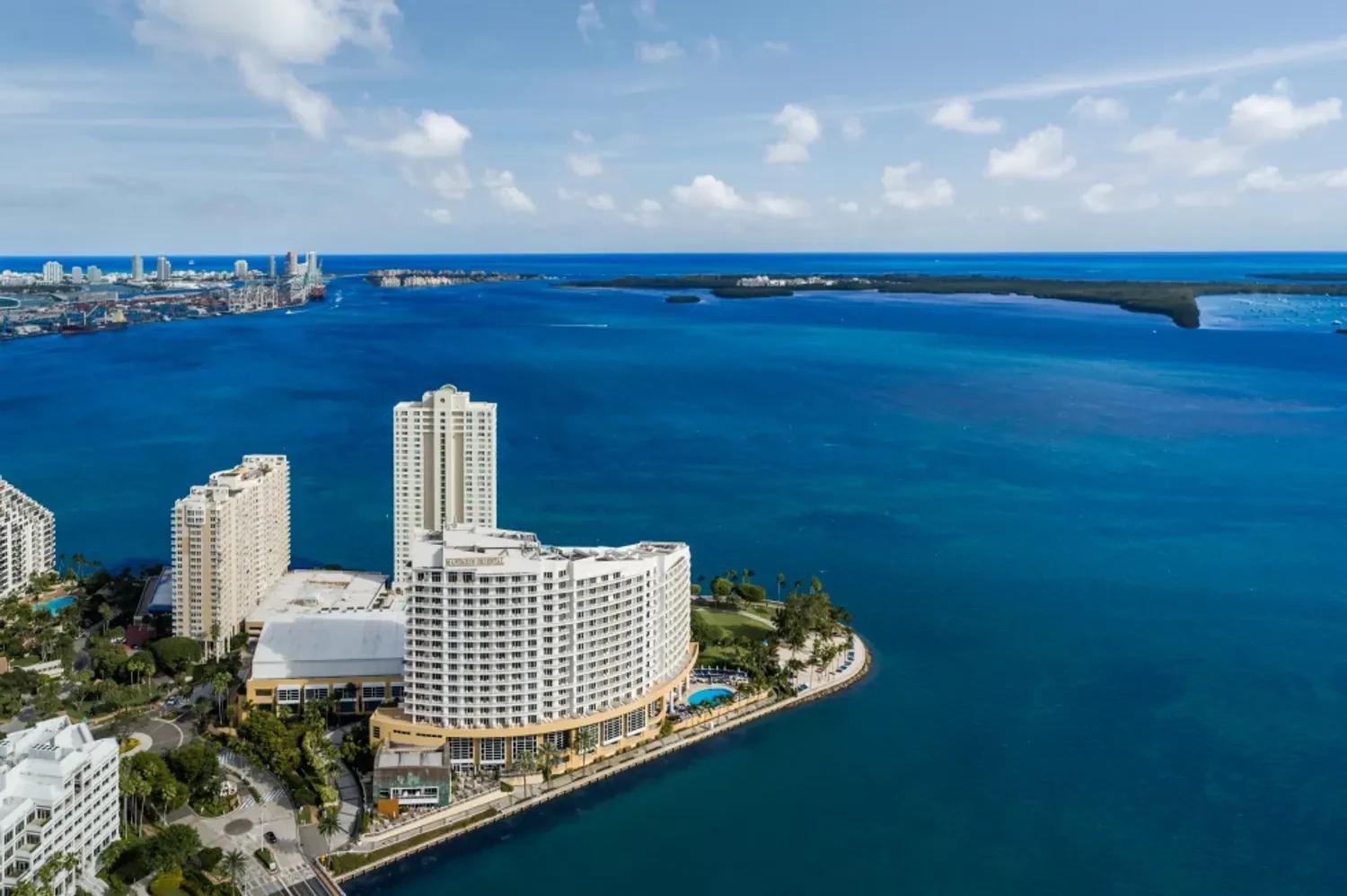
Miami Implodes 23-Story Mandarin Oriental Hotel on Brickell Key
10 sources compared