USA01 April, 20261 min read
Gulf States Rethink US Alliance as Iran-US-Israel War Shakes Region
Gulf states reevaluate their security alliances with the United States amid Iran-Israel war. Gulf states seek independent security identity and diversify deterrence beyond Washington.
Reevaluating the Security Umbrella
The US-Israel-Iran war has triggered a fundamental reckoning in Gulf security relationships. The debate has evolved into who holds authority over war and who bears the costs.
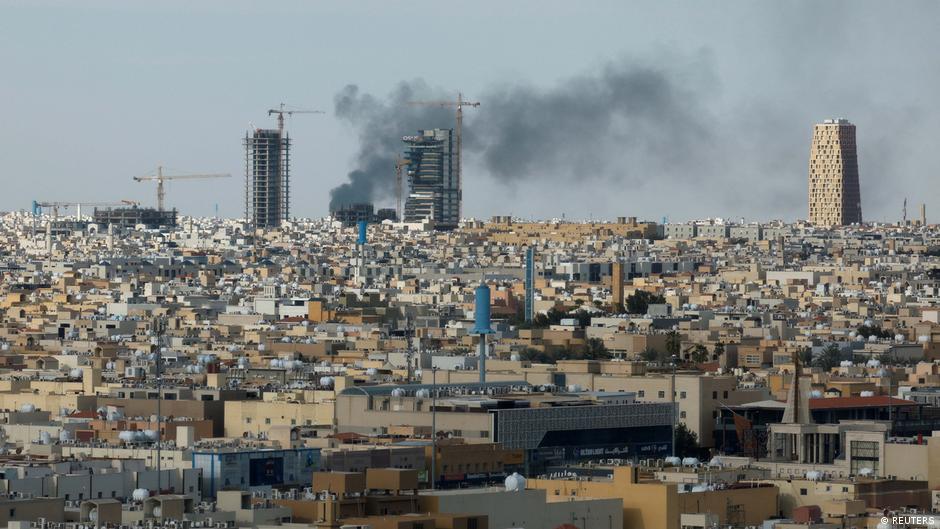
American bases intended as shields have become liabilities and targets. Gulf states convened emergency consultations on how to deal with Iran and reconsidering the US relationship.
Gulf Leaders Demand Practical Solutions
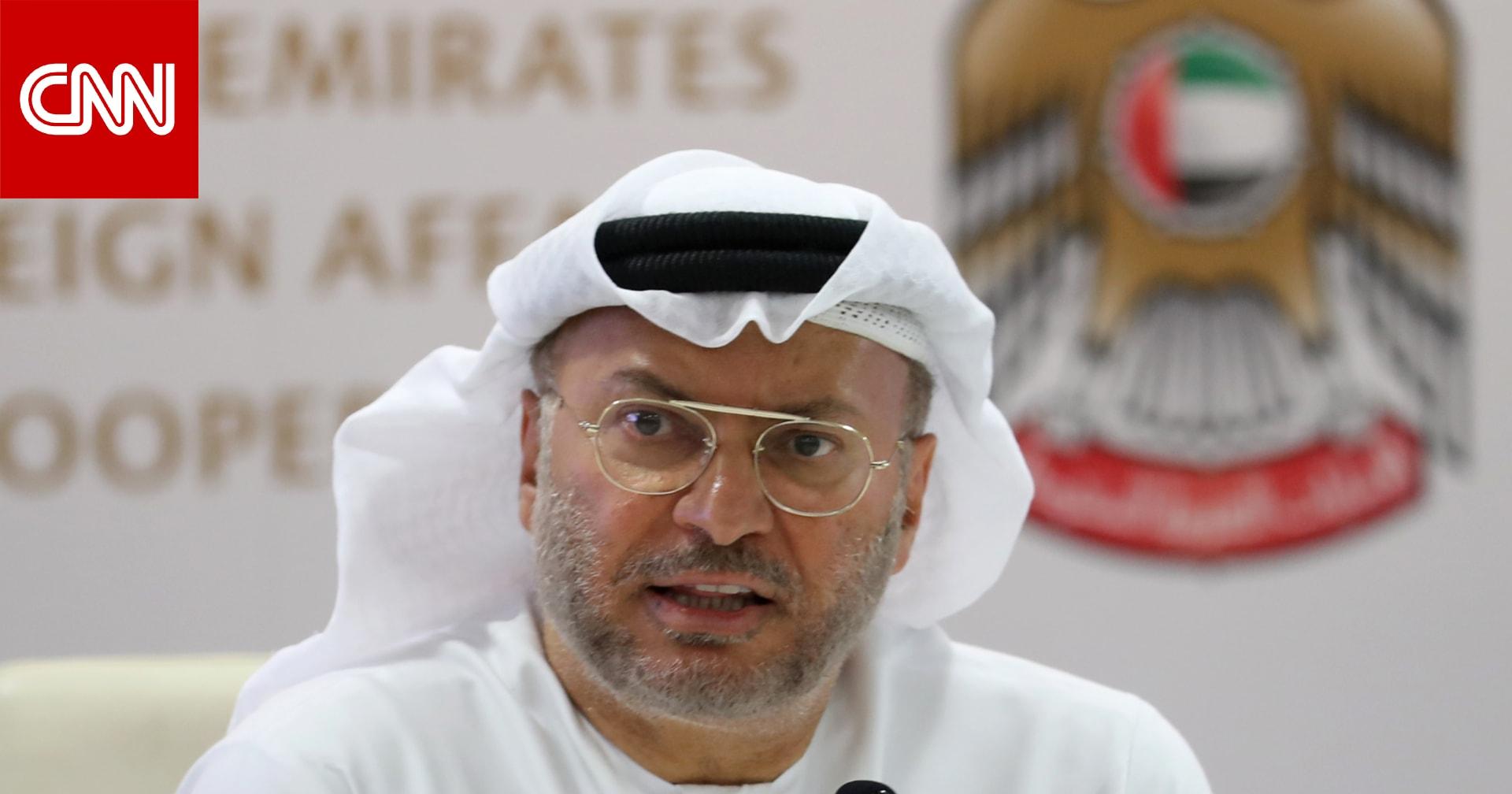
UAE adviser Gargash framed Iran’s attacks as forcing the Gulf toward practical security solutions. The Gulf's thinking does not stop at a ceasefire.
Protecting economic facilities has become central to Gulf national security. The Strait of Hormuz remains closed by Iran, possibly indefinitely.
Disappointment in the US
Gulf states experienced disappointment toward the United States. The presence of American military bases can also make them targets of Iranian attacks. The Saudi Ministry publicly documented frequent leadership consultations.
Security Realities Transform
Iran's multilevel deterrence has pushed the Middle East into a new phase of security dynamics. The war forced Gulf cooperation beyond oil and trade toward integrated coordination. Qatar's vulnerability was illustrated when Israel bombed Doha in 2025 and Iran retaliated by striking Gulf states.