Full story
Roadmap, Disarmament, Withdrawal
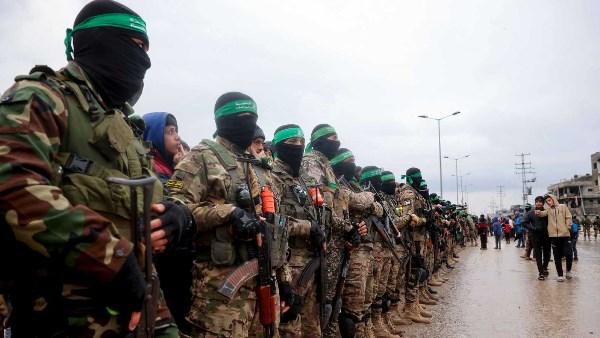
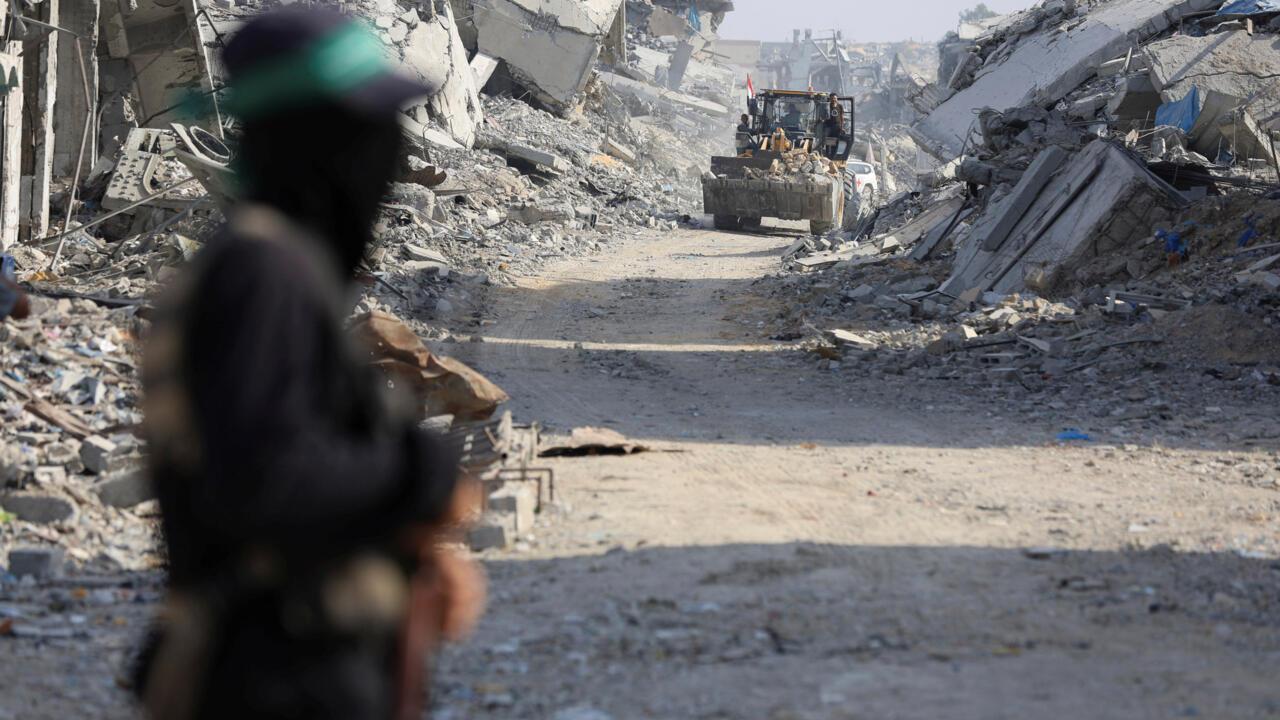
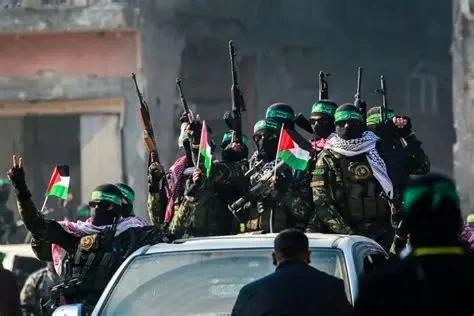
Hamas announced Friday it had agreed to surrender its arsenal to a Palestinian governing committee and accept a phased withdrawal of Israeli forces from Gaza, as the U.S.-brokered ceasefire plan entered what the group described as a second phase that had been long-stalled.
“Hamas announced Friday it had agreed to surrender its arsenal”
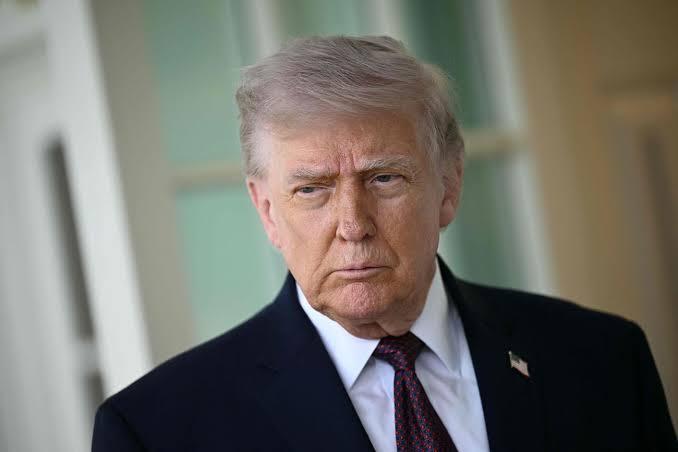
U.S. President Donald Trump hailed the deal on Thursday as representing Hamas's "complete disarmament" and told reporters at Camp David on Friday, "We do have an understanding with Israel. Israel's very happy about it."
Israeli officials and far-right members of the government offered a starkly different account, including a political source telling AFP that "there will be no withdrawal whatsoever" from Israeli forces' current positions unless Hamas undergoes what it described as "a genuine disarmament."
Under the roadmap's terms, Hamas's heavy weapons, military production sites, weapons depots and tunnel networks would be decommissioned and placed in storage, with internal security in Gaza passing to the National Committee for the Administration of Gaza.
The agreement also calls for an immediate halt to all military operations and the deployment of an International Stabilization Force to create a buffer between Israeli troops and areas under NCAG control, while Israeli strikes on Thursday killed at least four people, including two children, according to local health officials.
Competing Sequencing Demands
Hamas negotiator Ghazi Hamad said the group viewed the arrangement as a way to sideline Israeli involvement in the disarmament process entirely, telling mediators, "Israel will not intervene in the issue of disarmament."
A senior Israeli official said today "there will be no IDF withdrawal from the current Yellow Line without the genuine disarmament of Hamas," while Trump appeared optimistic at Camp David, describing the agreement as "a big step for the Middle East".

The BBC reported that the key unanswered questions included who would take possession of the weapons and whether disarmament would come before Israeli withdrawal, as the agreement hinges on verification and sequencing.
In parallel, the NBC News account said Hamas would begin disarming as part of the deal but that laying down its heavy weapons would come later and be contingent on the creation of a Palestinian state, which Israel's current government rejects.
The dispute over sequencing also surfaced in Al Jazeera reporting, where Ghazi Hamad said Hamas would not implement any step unless Israel fulfilled its obligations, adding, "Hamas will not implement any step of the Gaza peace deal if the Israeli occupation forces do not fulfil their obligations under the agreement."
Implementation Pressure and Fallout
The roadmap’s success depends on whether Israel and Hamas follow through on commitments, with Al Jazeera noting that since the US-brokered ceasefire supposedly came into effect on October 10, 2025, Israeli attacks have killed at least 1,100 Palestinians.
“Since the US-brokered ceasefire supposedly came into effect on October 10, 2025”
Al Jazeera also reported that Israel has not publicly agreed to the latest proposal and that Hamas said it will not implement any part of the deal unless Israeli forces fulfil their own obligations to withdraw from Gaza under the agreement.
In Germany-focused coverage, DW reported that EU foreign policy chief Kaja Kallas welcomed the disarmament deal as a "constructive step" while warning that "A lot needs to fall in place for this to work" and that verifying Hamas' compliance would be a significant challenge.
The plan’s mechanics, as described by Al Jazeera, include a schedule for an inventory of Hamas’s weapons within 14 days, with a Palestinian National Committee overseeing and executing the inventory and storage process as the sole entity to hold, store or control weapons in Gaza.
As the next phase begins, the stakes are immediate for Gaza’s governance and security, with the agreement tying disarmament phases directly to Israel’s gradual withdrawal from areas it controls and calling for a new Palestinian police force to take responsibility for Gaza being safe for its residents and its neighbors.