Gaza Genocide02 October, 20252 min read
Hamas Demands Major Revisions to Trump’s Gaza Ceasefire Plan Amid US Deadline Threats
Hamas military leader Izz al-Din al-Haddad rejects Trump’s ceasefire plan, vows to continue fighting. Trump demands Hamas disarm, release hostages within 72 hours, and accept international transitional government.

12 outlets told this the same way.
Outlets did split on Israel Marks Oct. 7 Anniversary With Strikes on Gaza, Netanyahu Faces Election After Nova Tribute →
Hamas Response to Ceasefire Plan
Hamas has demanded significant revisions to former U.S. President Donald Trump's proposed ceasefire plan for Gaza.
“Hamas had made significant concessions, including a 60-day ceasefire and releasing half of the remaining Israeli captives, but Israel did not respond and instead launched a major ground invasion and displacement of Palestinians in Gaza.”
The U.S. has threatened severe consequences if the plan is not accepted.
The plan was developed without Hamas's input and requires the group to release all Israeli hostages within 72 hours of a ceasefire.
It also demands that Hamas disarm and cede power to a transitional government.
Hamas leaders have expressed distrust towards Israel and skepticism about the U.S.'s ability to control Israeli Prime Minister Benjamin Netanyahu.
This skepticism increased following an unauthorized Israeli assassination attempt on Hamas officials in Doha.
The plan's demand for a U.S. and Arab-led "temporary International Stabilisation Force" in Gaza is seen by Hamas as a form of occupation.
This perception further complicates the ongoing negotiations.
Reactions to Trump Peace Plan
The Trump plan has been met with surprise and dissatisfaction from several Arab and Muslim countries. These countries claim it differs significantly from earlier drafts they had endorsed. Changes made at the last minute, particularly those making Israeli troop withdrawals conditional on Hamas disarmament, have angered regional players like Saudi Arabia, Egypt, Jordan, Turkey, and Qatar.
These countries feel deceived by the U.S. and Israeli handling of the proposal. Hamas's refusal to release all hostages within the stipulated timeframe and its opposition to an international stabilization force and a proposed security buffer zone are key sticking points in the negotiations.
Impact of Israeli Military in Gaza
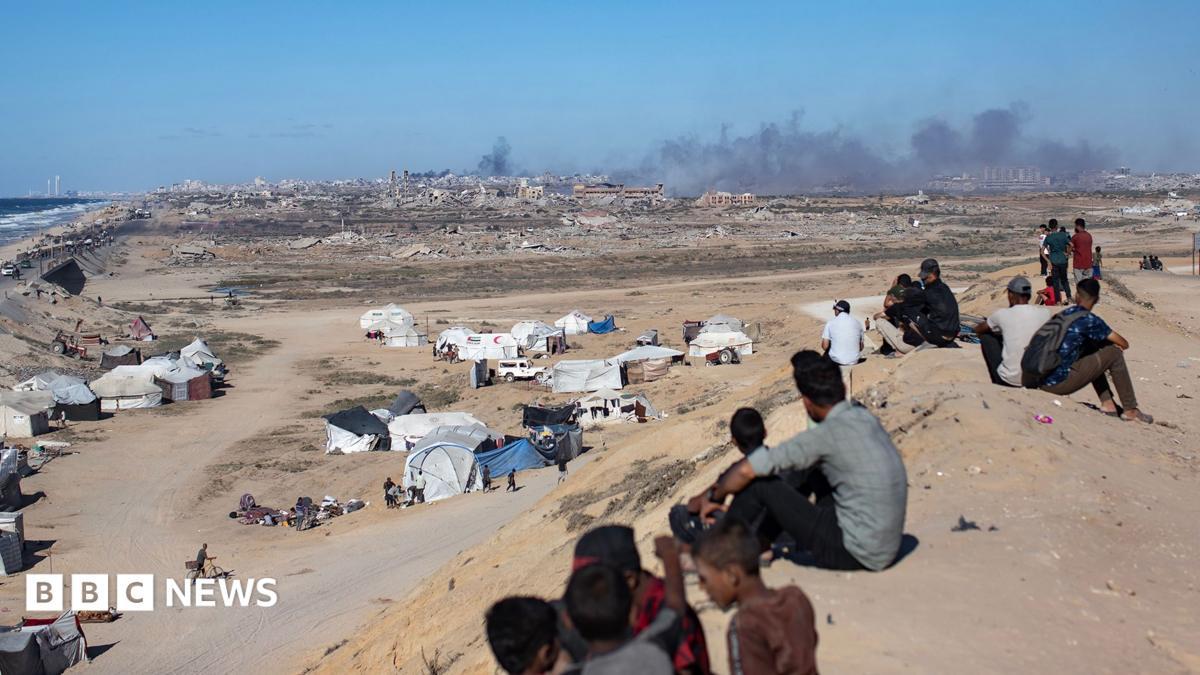
The Israeli military's actions in Gaza have resulted in over 66,000 Palestinian deaths, mostly civilians, and widespread destruction. The humanitarian situation is dire, with reports of famine and severe shortages of food, medical supplies, and shelter. Despite these conditions, Israel continues its military operations, completing the capture of the Netzarim Corridor to isolate Gaza City and northern Gaza.
“Since the outbreak of war in October 2023, over 66,000 Palestinians have been killed in Gaza, with many civilians suffering from starvation and malnutrition amid a confirmed famine.”
The UN and humanitarian groups emphasize the need to protect civilians and ensure unimpeded access for aid. However, the Israeli military's actions have severely restricted movement within Gaza.
Hamas Leadership and Challenges
Hamas's internal divisions further complicate the situation, with leadership split between Istanbul, Doha, and Gaza. While some leaders are open to negotiating a modified plan, the military wing remains opposed to disarmament, viewing armed struggle as central to their identity.
This internal discord is exacerbated by external pressures from countries like Turkey and Qatar, urging Hamas to compromise. The proposal's requirement for disarmament without political progress towards a two-state solution is particularly contentious, as many within Hamas find it unacceptable.
