Gaza Genocide30 October, 20254 min read
Hamas Offers to Recover Israeli Hostage Bodies from Gaza’s Yellow Line Amid Israeli Denial
Hamas handed over two coffins to Israel via the Red Cross, claiming they contain hostage bodies. Israeli forensic tests confirmed three recently received bodies are not those of hostages.

75 outlets told this the same way.
Outlets did split on Israel Marks Oct. 7 Anniversary With Strikes on Gaza, Netanyahu Faces Election After Nova Tribute →
Hostage Body Recovery Dispute
Hamas says its Qassam Brigades are ready to recover Israeli hostage bodies from Gaza’s “yellow line” and asked mediators and the Red Cross to help. Israel publicly denies that three recently transferred remains are hostages and accuses Hamas of breaching the ceasefire deal. Yeni Safak reports Hamas stated its readiness to recover Israeli hostage bodies from the “yellow line” zone in Gaza.
“Hamas also stated its readiness to recover Israeli hostage bodies from the ‘yellow line’ zone in Gaza, as defined by the October 10 ceasefire agreement.”
Israel rejected the DNA samples as it insists on receiving all remains before moving to the next phase. Middle East Monitor reports the Qassam Brigades are prepared to retrieve the bodies of Israeli prisoners within Gaza and called on mediators and the Red Cross to resolve disputes over the remains. Western outlets report Israel’s forensic conclusion that the three bodies are not among the missing hostages.
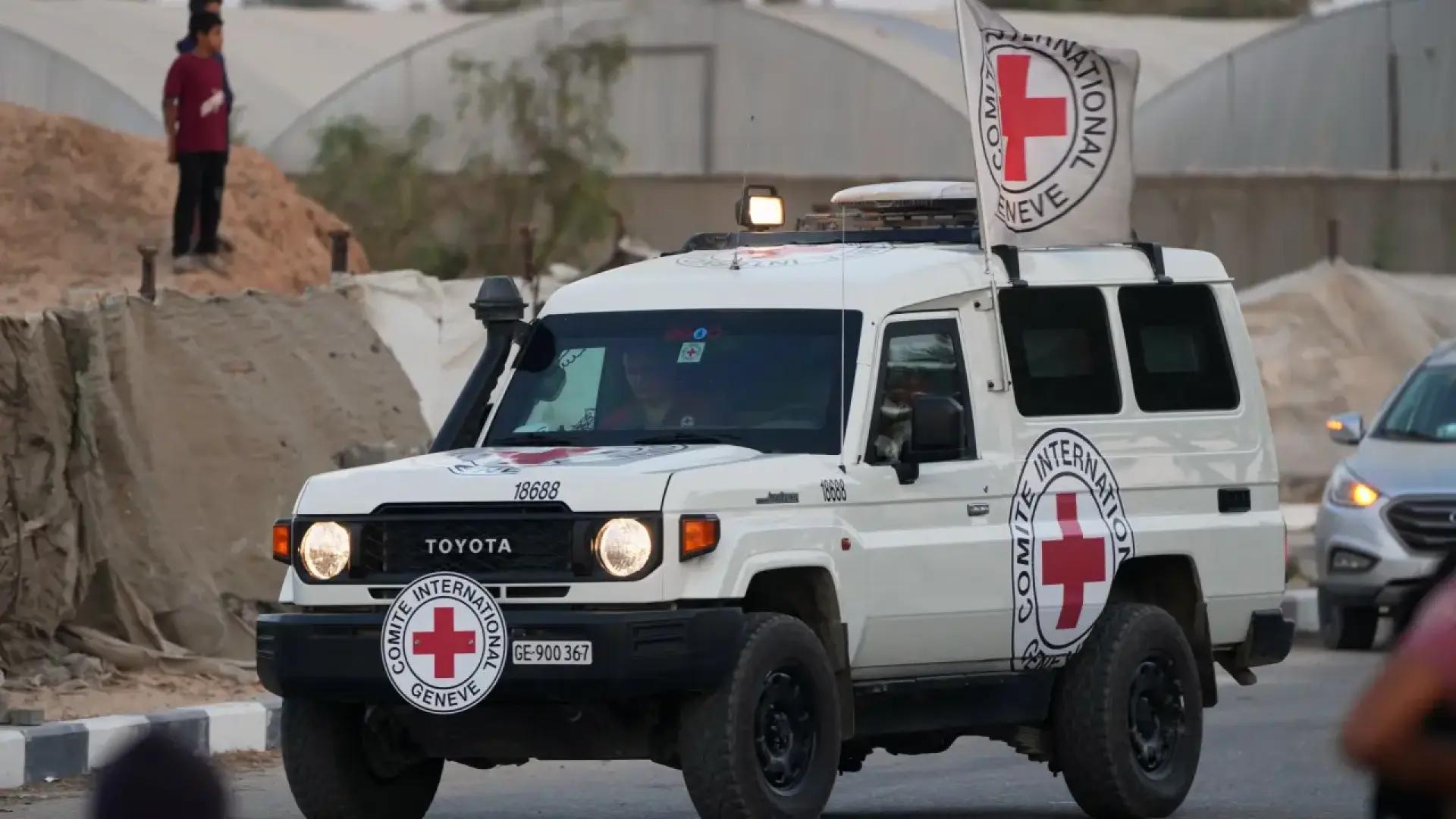
The Telegraph says forensic analysis confirmed that partial remains handed over by Hamas do not belong to any of the 11 deceased hostages. France 24 and Sky News both report the Red Cross moved three bodies that were not those of any of the remaining Israeli hostages.
Ceasefire Terms and Exchanges
Accounts of what the ceasefire requires and what has been delivered differ across outlets. Several Western mainstream sources say Hamas has returned 17 of 28 deceased hostages and released 20 living captives, while Israel returned or received hundreds of Palestinian bodies. Firstpost reports that 17 bodies have been transferred to Israel, including 15 Israelis, one Thai, and one Nepalese.
RFI and NBC say Israel has received 225 Palestinian bodies, with NBC noting only 75 have been identified. By contrast, West Asian and Western alternative outlets such as TRT World and Middle East Monitor report 19 of 28 remains returned and describe broader terms.

These broader terms include exchanging Israeli hostages for nearly 2,000 Palestinian prisoners, rebuilding Gaza, and installing a governing authority that excludes the militant group. Sky News also reports a distinct swap formula where Hamas would hand over 28 remains in return for 360 Palestinian militants.
Renewed Conflict and Casualties in Gaza
Israel resumed airstrikes after accusing Hamas of violating the ceasefire over remains. These strikes killed more than 100 Palestinians in a single day, including dozens of children, before Israel announced a return to the truce. NPR reports that Israel’s strikes killed 104 people, including 46 children, with survivors describing the events as massacres.
“Israel reinstated a ceasefire following intense airstrikes that killed 104 people, including 46 children—the deadliest attacks since the ceasefire began in October.”
DW states that Israeli forces targeted over 30 Hamas commanders, resulting in at least 81 to 101 deaths in Gaza before the Israeli Defense Forces announced a return to the ceasefire. NBC and ABC News also note that Israeli strikes killed over 100 people and that Israel then reinstated the ceasefire.
AP News places these killings in the wider context of United Nations accusations of genocide against Israel, which Israel denies. The Gaza Health Ministry reports that the death toll has surpassed 68,600 since October 2023.
Dispute Over Remains Exchange
Reports differ on whether Israel wants DNA samples or only full bodies. West Asian outlet Al-Jazeera Net states that Israel prefers to keep receiving samples to identify potential prisoners. Western outlets claim Israel rejected samples and demanded full remains instead.
Le HuffPost notes that Hamas said the three bodies were samples offered to Israel, which Israel rejected, demanding full bodies for verification. Le Monde similarly reports that Hamas accused Israel of refusing to provide DNA samples for testing, while Israel condemned partial remains.

Middle East Monitor adds that Hamas transferred three unidentified bodies to Israel despite Israel’s refusal to accept partial remains. The Telegraph confirms Israel’s forensic finding that the partial remains were not any of the 11 deceased hostages still held.
Proposed Gaza Political Plan
Beyond the remains dispute, sources describe next-phase talks tied to a larger political and security plan. West Asian and Western Alternative outlets say the deal envisions nearly 2,000 Palestinian prisoners released, rebuilding Gaza, and a new authority excluding Hamas. TRT World reports the first phase includes exchanging Israeli hostages for nearly 2,000 Palestinian prisoners, rebuilding Gaza, and establishing a new governing body excluding Hamas.
“The ceasefire’s first phase includes exchanging Israeli hostages for nearly 2,000 Palestinian prisoners, rebuilding Gaza, and establishing a new governing body excluding Hamas.”
Middle East Monitor echoes these terms. RTE and AP News report regional calls for an international stabilization force with a UN Security Council mandate. AP adds the U.S. has ruled out sending American troops and Jordan warns Israel’s military presence threatens the truce.

AlBawaba highlights Israel’s opposition to Qatar and Turkey joining such a force. Daily Times cites UN expert criticism that a proposed force could replace occupation with a US-led presence and threaten Palestinian self-determination.