Gaza Genocide18 October, 20253 min read
Hamas Refuses to Disarm and Seeks Five-Year Truce to Retain Control of Gaza Security
Hamas refuses to disarm and insists on retaining security control in Gaza during transition. Hamas proposes a five-year ceasefire to rebuild Gaza but rejects full weapons surrender.

29 outlets told this the same way.
Outlets did split on Israel Marks Oct. 7 Anniversary With Strikes on Gaza, Netanyahu Faces Election After Nova Tribute →
Hamas Security and Truce Plans
Hamas leaders say they will not disarm and intend to keep control of Gaza’s security during a transitional period. They propose a three-to-five-year truce to rebuild Gaza. Mohammed Nazzal states that Hamas intends to maintain a security role in Gaza during this transitional period but cannot currently commit to disarmament.
“A senior Hamas official, Mohammed Nazzal, stated that Hamas intends to maintain a security role in Gaza during a transitional period following the recent conflict but cannot currently commit to disarmament.”
He adds that the group supports a ceasefire lasting three to five years to facilitate reconstruction. Asian and Latin American outlets report that Hamas links any moves on weapons to broader Palestinian consensus and statehood prospects. These outlets also reiterate that Hamas has not committed to disarming even as it considers a five-year truce.

Western reports indicate that no formal deal has been finalized and expect only partial disarmament at most. Hamas is likely to keep light arms and remain the de facto enforcer in parts of Gaza despite discussions about a technocratic authority.
The U.S.-backed plan under former President Trump demands disarmament and a transfer of governance. However, Hamas publicly rejects giving up its weapons now and insists it must police Gaza to prevent further chaos.
Disarmament and Diplomatic Efforts
U.S. and Israeli pressure seeks full disarmament and a handover to a technocratic or international authority, but the policy path is fractured. Trump’s plan set deadlines for returning hostages’ bodies and demanded total compliance, while Netanyahu insisted there would be no compromise. NBC reports Israel’s defense minister ordering the military to prepare to defeat Hamas if it rejects the U.S.-brokered proposal.
Trump publicly threatened lethal consequences if Hamas kept killing, but both ABC and UPI report he later clarified there would be no U.S. troop intervention. Meanwhile, regional and international mechanisms are forming: Turkey joined a task force with Israel, the U.S., Qatar, and Egypt to recover bodies. Separate proposals envision a technocratic transition under international supervision—ideas Israel resists if they bring a sizable armed Palestinian security presence.

Hamas Control and Conflict Dynamics
On the ground, Hamas is reasserting control through executions and force while rival clans and gangs—some alleged to be backed by Israel—challenge its rule. Hamas released a video of executions of Doghmoush men accused of collaborating with Israel; Western and local outlets describe these as extrajudicial killings and public executions.
“Hamas released a video showing the execution of eight men from the Doghmoush family in Gaza City, accused of collaborating with Israel.”
Reports say Hamas is reinstating police and offering limited amnesties while threatening arrests, even as anti-Hamas militias linked to Israel call for Hamas’s downfall in areas under Israeli control. Other reports note Hamas justifies its crackdown as necessary to stop gang theft of aid and to restore order after Israeli withdrawals under the ceasefire.
Humanitarian Impact of Gaza Conflict
The humanitarian catastrophe is a direct result of Israel’s bombing and siege, which multiple sources describe as genocidal. A UN commission accuses Israel of a 'genocidal campaign' in Gaza, a charge Israel denies. West Asian coverage describes the two-year war as genocidal, detailing the Israeli military dropping over 200,000 tons of explosives.
The bombing has destroyed about 90% of Gaza’s infrastructure and leveled hundreds of mosques. Death toll estimates exceed 67,000–68,000 Palestinians, including children, civilians, and media workers among the dead.

Reconstruction needs are staggering, with UN officials warning rebuilding could take a decade or more and cost tens of billions of dollars. Aid groups struggle to deliver supplies amid chaos and scarcity.
Hostage and Body Recovery Efforts
Ceasefire diplomacy is closely tied to the fate of hostages and bodies. Israel accuses Hamas of withholding the bodies of 19 hostages and threatens consequences. Hamas says many bodies are buried under destroyed tunnels and requests help recovering them.
“Israel accuses Hamas of violating the ceasefire by withholding the bodies of 19 hostages believed dead, while Hamas claims the bodies are buried in destroyed tunnels… 30 bodies have been returned to Gaza via the Red Cross, totaling 120 since the ceasefire began.”
ABC reports that 30 bodies were returned to Gaza via the Red Cross, totaling 120 since the ceasefire began. Infobae states that Hamas has already returned some bodies and seeks international assistance to find others. NBC highlights Hamas’ refusal to return many bodies.
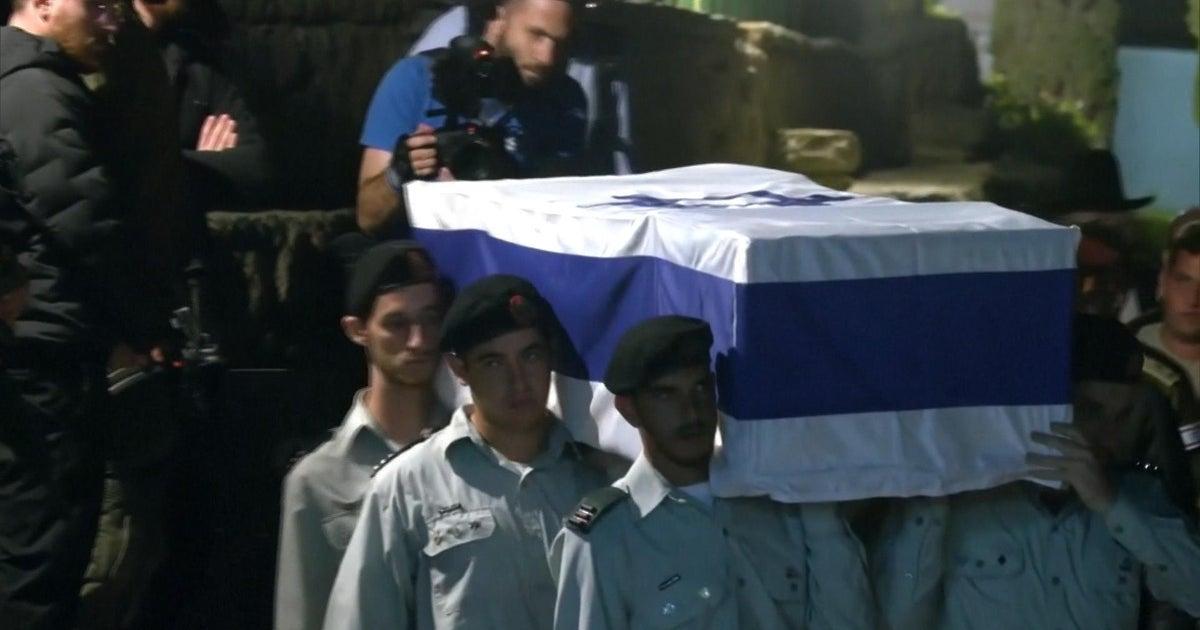
Mediators have formed a joint task force with Turkey to locate remains. Trump’s plan set a strict deadline for the return of all hostages, alive or deceased. Netanyahu insists on full compliance with the return demands.