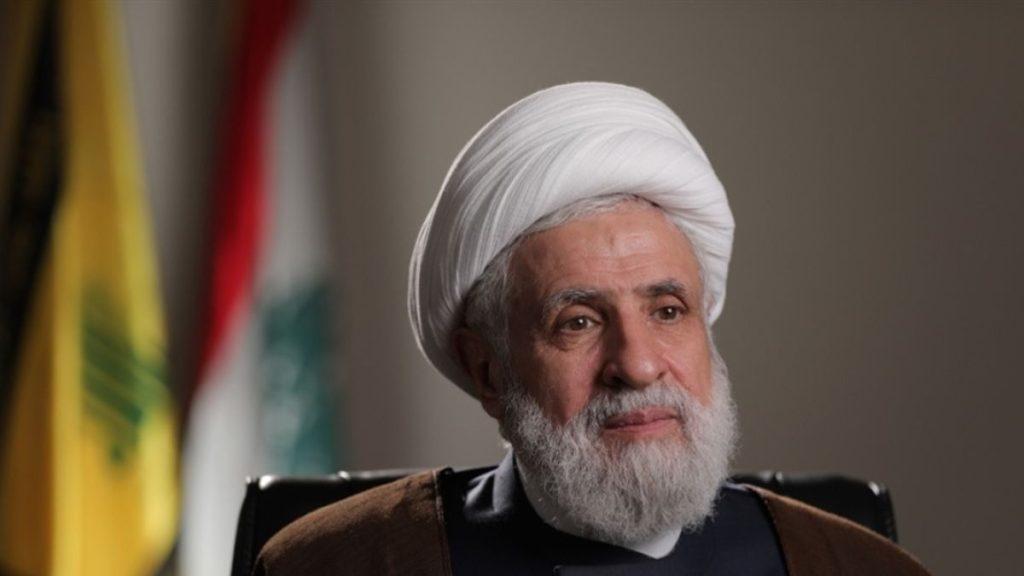
Hezbollah Chief Qassem Says Lebanon Ceasefire Followed Resistance Sacrifices, Warns of Proportional Response
Key Takeaways
- Ceasefire credited to resistance sacrifices and Iran's support.
- Battlefield decisive; resistance blocked Israeli advances despite 100,000 soldiers.
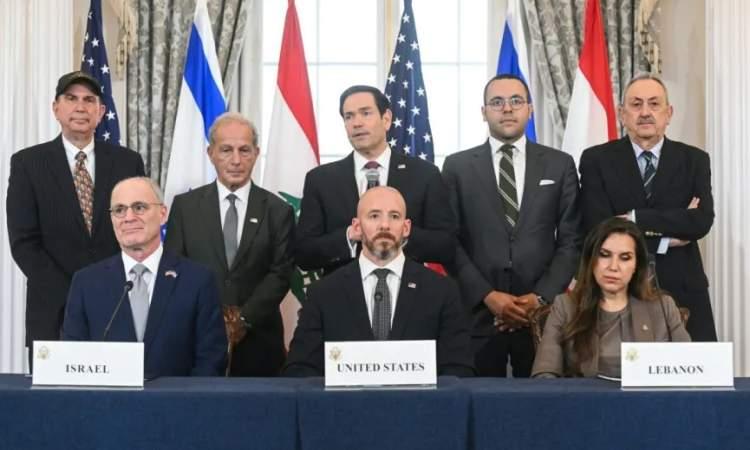
- US-mediated Washington talks accompany the ceasefire negotiations.
Ceasefire and Hezbollah’s terms
Hezbollah Secretary-General Sheikh Naim Qassem said the Lebanon ceasefire was the result of “resistance sacrifices,” thanking Iran’s support and emphasizing that the ceasefire “would not have been possible” without the “legendary performance of the resistance fighters.”
In a message released on Saturday night, Qassem appreciated Iran’s backing for the “resistance,” and he framed the ceasefire as something the group achieved despite the “deployment of 100,000 soldiers on the borders.”

Qassem told audiences that “the resistance does not trust the enemy” and said it would keep “its finger on the triggers” to respond “proportionately to any breach of ceasefire.”
He then laid out Hezbollah’s terms for drawing the path toward the ceasefire, beginning with “a permanent cessation of aggression throughout Lebanon in the air, land and sea.”
The second step, he said, is “the complete withdrawal of the Zionist enemy from Lebanese soil to the border line,” followed by “the release of prisoners” and “the return of residents to their cities and villages in border areas.”
He added that the fifth step would be “the beginning of reconstruction with international-Arab support and national responsibility,” and he said Hezbollah is ready for “the highest level of cooperation with the Lebanese government within a new framework for the realization of national sovereignty.”
Mutual ceasefire and battlefield logic
Across multiple reports, Qassem insisted that any ceasefire must be mutual and tied to concrete steps rather than a one-sided pause.
In a statement carried by teleSUR English, Qassem warned that Hezbollah “will respond if Israel violates the current ceasefire” and said, “Because we do not trust the enemy, the resistance fighters will remain on the ground with their fingers on the trigger and will respond to violations as appropriate.”

He added that “There cannot be a ceasefire only on the part of the Resistance, it must be mutual,” and he rejected what he described as “15 months of patiently enduring Israeli aggression while waiting for diplomacy that has achieved nothing.”
teleSUR English also described a timeline in which, “In the approximately 15 months between the entry into force of the previous cessation of hostilities at the end of 2024 and the outbreak of the current conflict at the beginning of last month,” Israeli troops “continued to attack Lebanese territory practically daily and occupy five of its hills.”
Qassem urged implementation of what he called a “next step” that includes “the end of Israeli attacks and the withdrawal of its troops from southern Lebanon,” where he said Israel “now intends to establish a ‘security zone’.”
Press TV framed the ceasefire in terms of pressure and leverage, saying Qassem argued that “the battlefield has proven it is the final arbiter,” and that “A temporary ceasefire would not have been achieved without the resistance of our fighters on the southern front.”
Press TV further quoted Qassem saying, “The enemy failed to reach the Litani River, neither in the first week, as they had planned, nor after 45 days of combat,” and it linked the ceasefire to Iran’s actions around Hormuz and to what it described as US and Israeli acceptance of terms.
Five points and cooperation
Hezbollah’s messaging in the sources repeatedly returned to a structured sequence of demands, presented as the “next step” after a ceasefire.
In the Saba report, Sheikh Naim Qassem said “a ceasefire means a complete halt to all hostile acts,” and he reiterated that Hezbollah would keep fighters “with their fingers on the trigger” and respond to “the aggression's violations accordingly.”
Saba quoted Qassem saying, “There is no ceasefire from the resistance side alone; it must be from both sides,” and it repeated his refusal to accept “the path of fifteen months of patience with Israeli aggression while waiting for diplomacy that has achieved nothing.”
Saba then spelled out “the next step” as “the implementation of the five points,” listing “a permanent cessation of aggression throughout Lebanon, by air, land, and sea,” and “the withdrawal of the Israeli enemy from occupied territories up to the borders.”
The same report said the next points include “the release of prisoners,” “the return of people to their villages and towns up to the borders,” and “reconstruction with Arab international support and national responsibility.”
Saba also described Qassem’s view of battlefield outcomes, quoting him that “The battlefield has proven to be the decisive factor,” and that “Successful policy is one that benefits from its outcomes as a source of strength to force the Israeli enemy to submit.”
Both sources also emphasized cooperation with Lebanon’s authorities, with Mehr News Agency saying Hezbollah is ready for “the highest level of cooperation with the Lebanese government within a new framework for the realization of national sovereignty,” and Saba stating Hezbollah is “open to the fullest cooperation with the Lebanese authorities.”
Disputes over withdrawal and sovereignty
The sources also depict a dispute over whether Israel will carry out what Hezbollah calls the required steps, and they connect that dispute to questions of sovereignty and negotiations.
teleSUR English said that “Despite the new cessation of hostilities implemented two days ago, Israel refuses to withdraw from Lebanese territory,” and it added that Israel had announced it wanted “to occupy the entire strip from the Litani River to the de facto border.”
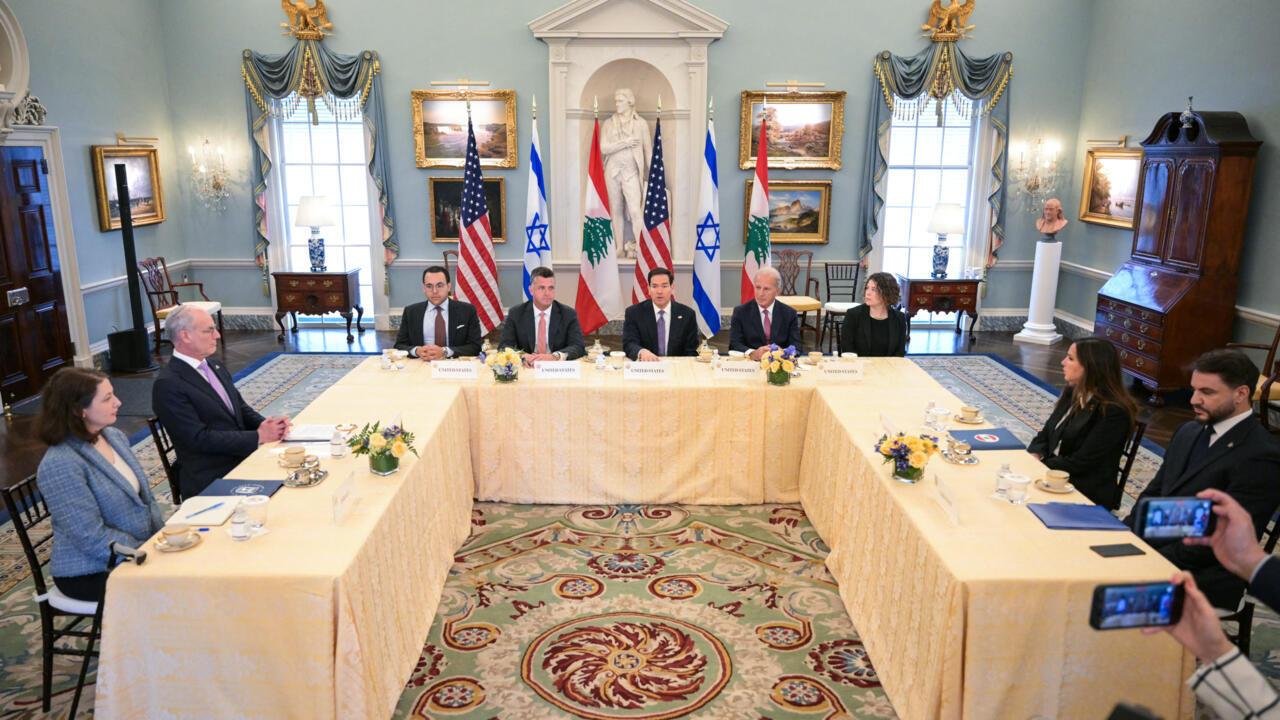
teleSUR English also quoted Qassem urging implementation of demands that include “the end of Israeli attacks and the withdrawal of its troops from southern Lebanon,” where it said Israel intends to establish a “security zone.”
Press TV similarly described Qassem’s insistence that “any ceasefire must involve a halt to all hostilities by the enemy,” and it quoted him saying, “We do not accept a unilateral ceasefire from the resistance. A ceasefire must be from both sides of the conflict.”
Press TV also included Qassem’s criticism of negotiation framing, quoting him: “Enough is said with insulting Lebanon by imposing direct negotiations with the Zionist enemy and accepting the enemy’s dictates.”
In the teleSUR English report, Qassem said Hezbollah is willing to collaborate with the Lebanese state in an initiative that prioritizes restoring national “sovereignty,” and he said, “Hezbollah is open to full cooperation with the Lebanese authorities in a new chapter to achieve the sovereignty of our nation.”
Mehr News Agency likewise emphasized sovereignty, stating that Hezbollah is ready for “the highest level of cooperation with the Lebanese government within a new framework for the realization of national sovereignty.”
Iran, Hormuz, and the next steps
Press TV’s account ties the ceasefire to regional leverage and to what it describes as US and Israeli calculations, while Hezbollah’s own statements in the other sources focus on mutuality and implementation.
Press TV said Qassem thanked Iran for its support “in the face of Israeli aggression,” and it claimed that “the closure of the Strait of Hormuz forced the United States and Israel to accept Lebanon ceasefire.”

It quoted Qassem saying, “The closure of the Strait of Hormuz by Iran forced America and the Israeli enemy to stop their aggression against Lebanon,” and it also stated that Iran had insisted that the “April 8 ceasefire” it reached with the United States through Pakistani mediation included “a cessation of Israeli attacks on Lebanon.”
Press TV added that the US and Israel initially rejected this but later announced “a 10-day ceasefire in Lebanon on Thursday,” and it described a “fragile ceasefire” that “largely holds.”
The report also said that “after the United States violated the ceasefire, Iran responded by refusing to open the Strait of Hormuz,” and it framed that refusal as the reason the US accepted the terms and forced Israel to stop attacks.
In Mehr News Agency, Qassem similarly credited Iran’s support for the resistance, saying the ceasefire in Lebanon “would not have been possible without the legendary performance of the resistance fighters,” and it emphasized that Qassem’s message included Hezbollah’s insistence on responding to any breach.
teleSUR English, meanwhile, described the ceasefire as something Hezbollah would treat as conditional on reciprocity, quoting Qassem that “There cannot be a ceasefire only on the part of the Resistance, it must be mutual.”
More on Lebanon
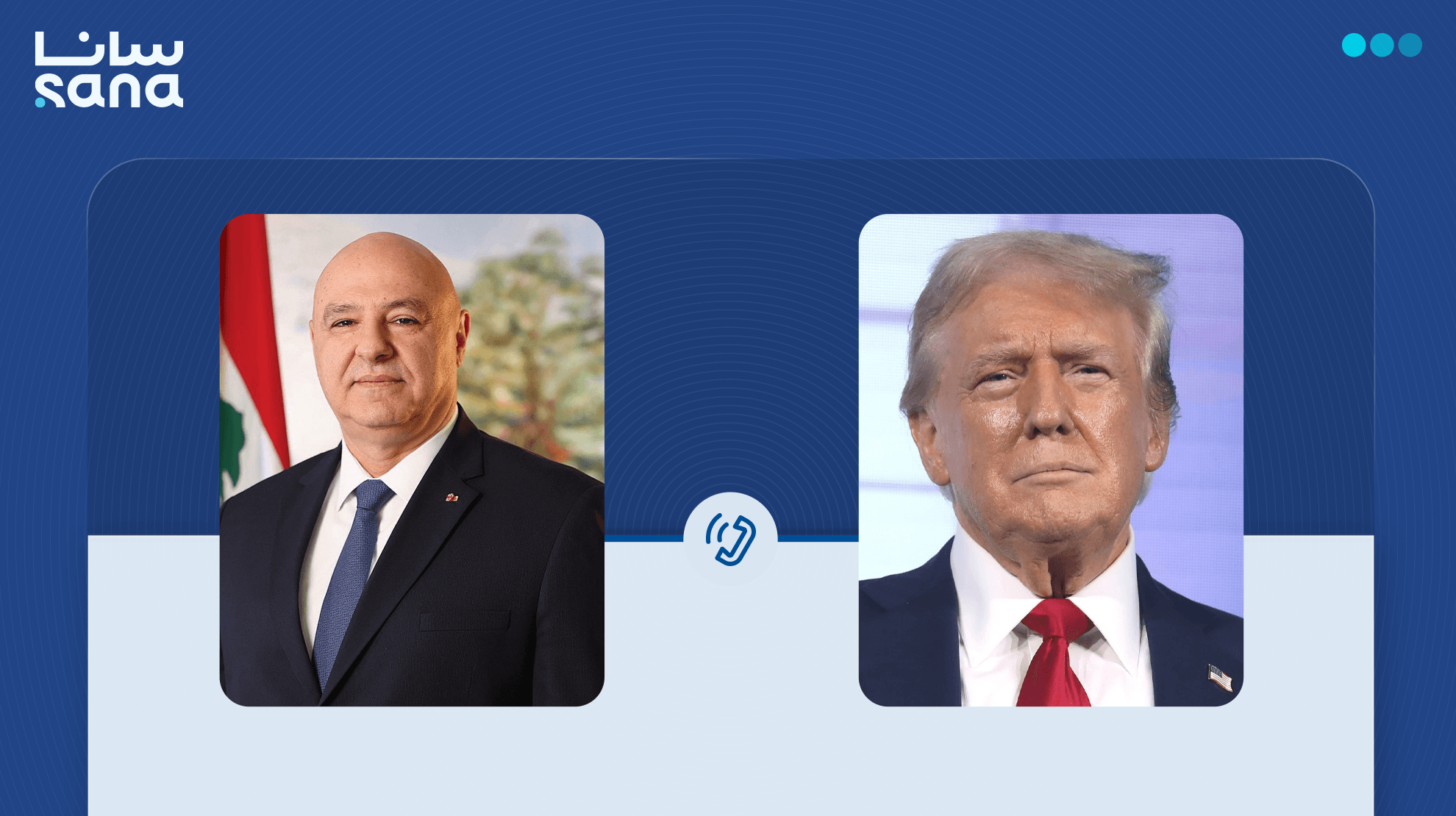
Joseph Aoun Tells Rodolphe Haykal Lebanon Army Role After U.S.-Israel Framework Agreement
10 sources compared
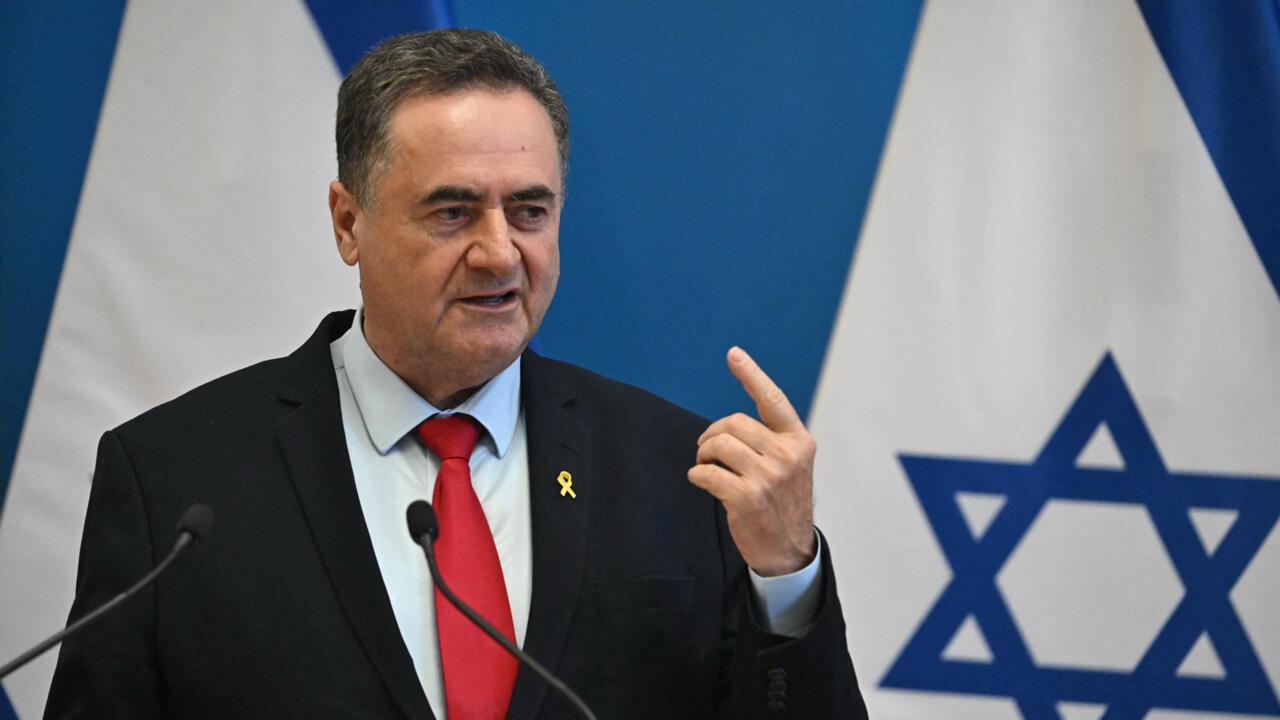
US Oversees Israel’s Phased Withdrawal From Lebanon Pilot Zone Ahead of Rome Talks
15 sources compared
Hezbollah Rejects Israel-Lebanon Framework Agreement After Washington Talks With Marco Rubio
11 sources compared

Sheikh Naim Qassem Says Lebanon Framework Agreement Transfers Sovereignty From Zionist Regime
33 sources compared