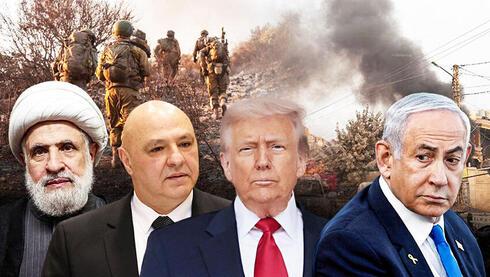
Hezbollah Fires Rockets At Northern Israel After Israeli Strikes On Yater
Key Takeaways
- Hezbollah fired rockets at northern Israel in response to Israeli strikes on Lebanon.
- Rocket fire followed Israeli ceasefire violations.
- Trump prohibited Israel from bombing Lebanon and hosted talks.
Rockets, ceasefire, Shtula
Hezbollah fired rockets at northern Israel on Thursday, saying it acted in response to what it described as Israeli ceasefire violations and attacks on the town of Yater in southern Lebanon.
In a statement, Hezbollah said, “In defence of Lebanon and its people, and in response to the Israeli enemy’s violation of the ceasefire and its targeting of the town of Yater in southern Lebanon,” it “targeted the Shtula settlement with a rocket salvo”.

The Israeli military said “several launches that crossed from Lebanon into Israeli territory were identified” and intercepted, and another report said rockets were intercepted by air defense systems after sirens were activated in the border settlement of Shtula.
The exchange came as Israel and Lebanon agreed to extend their ceasefire by three weeks following a meeting in the White House with top U.S. officials, with President Donald Trump announcing the extension.
Trump said he, Vice President JD Vance, Secretary of State Marco Rubio, U.S. Ambassador to Israel Mike Huckabee, and U.S. Ambassador to Lebanon Michel Issa and Lebanese ambassador to Washington Nada Hamadeh Moawad were part of the Oval Office meeting.
The same reporting also framed the U.S. posture toward Hezbollah as Trump wrote, “The United States is going to work with Lebanon in order to help it protect itself from Hezbollah,” referring to the Iran-backed militia group.
The rocket exchange therefore unfolded alongside diplomatic talks in Washington, D.C., where Israeli and Lebanese officials were set for a second round of talks even as military actions continued on the ground.
Diplomacy and on-the-ground
The rocket salvo and intercepted launches were reported as occurring during a period when ceasefire talks were underway and a second round of talks in Washington, D.C. was being prepared.
One report said the exchange “comes as Lebanon and Israel’s US ambassadors were set to meet in Washington,” while another said the developments “coincide with ongoing diplomatic discussions in Washington, D.C., where Israeli and Lebanese officials are holding a second round of talks.”
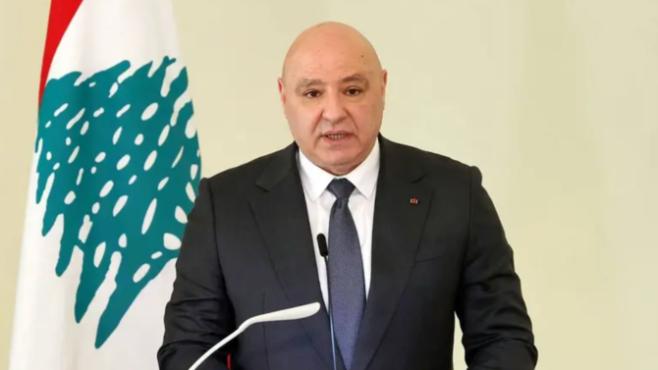
France 24’s account tied the ceasefire extension to a meeting between Israeli and Lebanese ambassadors, with Trump announcing the extension during that meeting.
The same AFP-based reporting described Hezbollah’s rocket firing as part of the latest developments, again citing Hezbollah’s statement about Yater and Shtula.
Haaretz reported that talks resumed between Israel and Lebanon and that the IDF said it destroyed the Hezbollah rocket launcher used to fire a salvo at Shtula late Thursday night.
In parallel, Haaretz also quoted Trump reiterating U.S. demands that Iran stop backing proxy groups, including Hezbollah in Lebanon, as part of any deal between Washington and Tehran to end the U.S. war on Iran.
The diplomatic framing in these reports therefore sat beside continuing military activity, with one account explicitly casting doubt on negotiations by noting that “continued military actions on the ground have cast doubt over the effectiveness of these negotiations.”
Statements from Trump and envoys
U.S. officials and ambassadors were quoted tying the ceasefire extension to broader U.S. pressure on Iran and to support for Lebanon against Hezbollah.
In the Oval Office meeting described by yalibnan, President Donald Trump said, “The United States is going to work with Lebanon in order to help it protect itself from Hezbollah,” and he also announced that the ceasefire would be extended by three weeks.
Haaretz reported that Israeli Ambassador to the U.S. Yechiel Leiter thanked Trump and Vice President JD Vance, saying Israel and Lebanon “have never been next to each other more than today.”
Haaretz also quoted Lebanese Ambassador to the U.S. Nada Hamadeh Moawad thanking Trump for presiding over what she called “this historic moment,” adding, “I think with your help, with your support, we can make Lebanon great again.”
The same Haaretz account included Trump’s remarks about Iran’s backing of proxy groups, quoting him as saying, “Yeah, they'll have to cut that,” to a reporter’s question about aiding the militant group.
France 24’s AFP-based update also included Trump’s remarks about Iran, including that “the clock is ticking” for Tehran, and it quoted him saying, “A nuclear weapon should never be allowed to be used by anybody.”
Together, the quotes show U.S. messaging that combined ceasefire diplomacy with pressure on Iran and a stated commitment to help Lebanon protect itself from Hezbollah.
How outlets frame the same clash
The rocket exchange was described with overlapping core details—Hezbollah firing toward northern Israel, Shtula as the targeted settlement, and Israeli interception—but the outlets varied in emphasis and in how they characterized the broader situation.
yalibnan foregrounded Hezbollah’s stated rationale and the ceasefire context, writing that Hezbollah fired “in response to the country’s ceasefire “violations”” and quoting the group’s statement about Yater and Shtula.
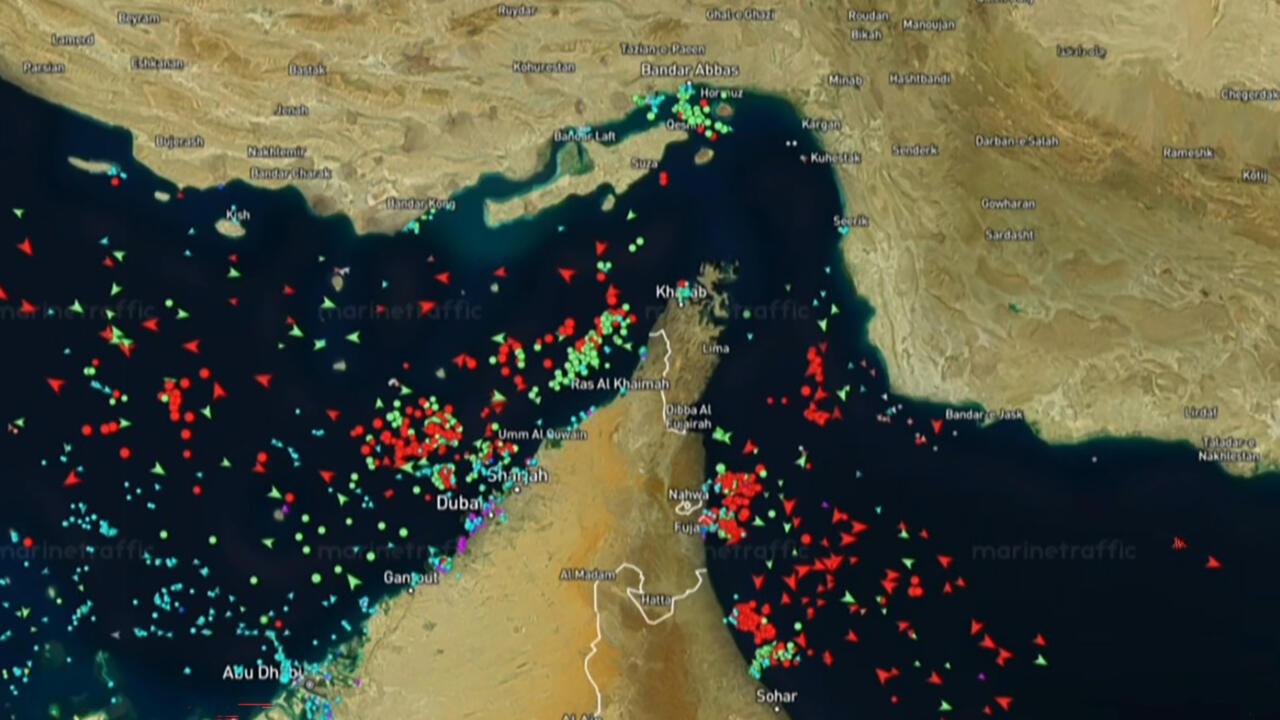
Middle East Eye similarly centered Hezbollah’s justification, repeating the group’s language about “the violation of the ceasefire by the Israeli enemy and its attacks against the city of Yater” and saying Hezbollah “targeted the settlement of Shtula with a salvo of rockets”.
Haaretz, by contrast, emphasized the IDF’s actions, stating that “The IDF says that it has destroyed the Hezbollah rocket launcher used to fire a salvo of missiles at Shtula.”
İlke Haber Ajansı focused on the immediate border impact, reporting that “Sirens were activated in the border settlement of Shtula, sending residents into shelters” and adding that “No casualties were reported.”
France 24 presented the event as part of a wider “latest developments” package that also included other regional military and diplomatic items, including Israel’s denial of airstrikes in Iran and the arrival of the USS George H.W. Bush aircraft carrier.
Even within the U.S.-Lebanon-Israel thread, the divergence appears in where each places the weight—Hezbollah’s stated cause, Israeli defensive claims, border sirens, or the broader regional news mix—while the shared factual anchors remain the same.
What comes next
The sources link the Lebanon-Israel ceasefire extension to continuing uncertainty and to follow-on diplomatic and military steps.
“War in the Middle East: latest developments Paris (France) (AFP) – The latest developments in the Middle East war: Issued on: Modified: Israel-Lebanon ceasefire extended The ceasefire between Israel and Lebanon will be extended for three weeks, US President Donald Trump announced Thursday during a meeting between Israeli and Lebanese ambassadors”
France 24 reported that the ceasefire extension was announced by Trump and that he planned to meet with top leadership from both countries “in the next couple weeks,” while also noting that Hezbollah fired rockets at northern Israel accusing Israel of violating the ceasefire.

It also said the attacks came hours ahead of the second meeting between Lebanon and Israel's US ambassadors in Washington, where Beirut was expected to ask for a ceasefire extension.
Haaretz described the same diplomatic moment through ambassador remarks in the Oval Office, with Leiter saying Israel and Lebanon “have never been next to each other more than today” and Moawad thanking Trump for “this historic moment.”
At the same time, Haaretz and yalibnan both described the immediate military cycle: Hezbollah’s rocket salvo toward Shtula and the Israeli military’s interception of launches crossing from Lebanon into Israeli territory.
İlke Haber Ajansı added that the rockets were intercepted by air defense systems and that sirens were activated in Shtula, while it reported “No casualties were reported.”
In that context, the ceasefire extension and the rocket exchange together set up a continuing test of whether diplomacy can hold while both sides continue to describe violations and responses in real time.
More on Lebanon
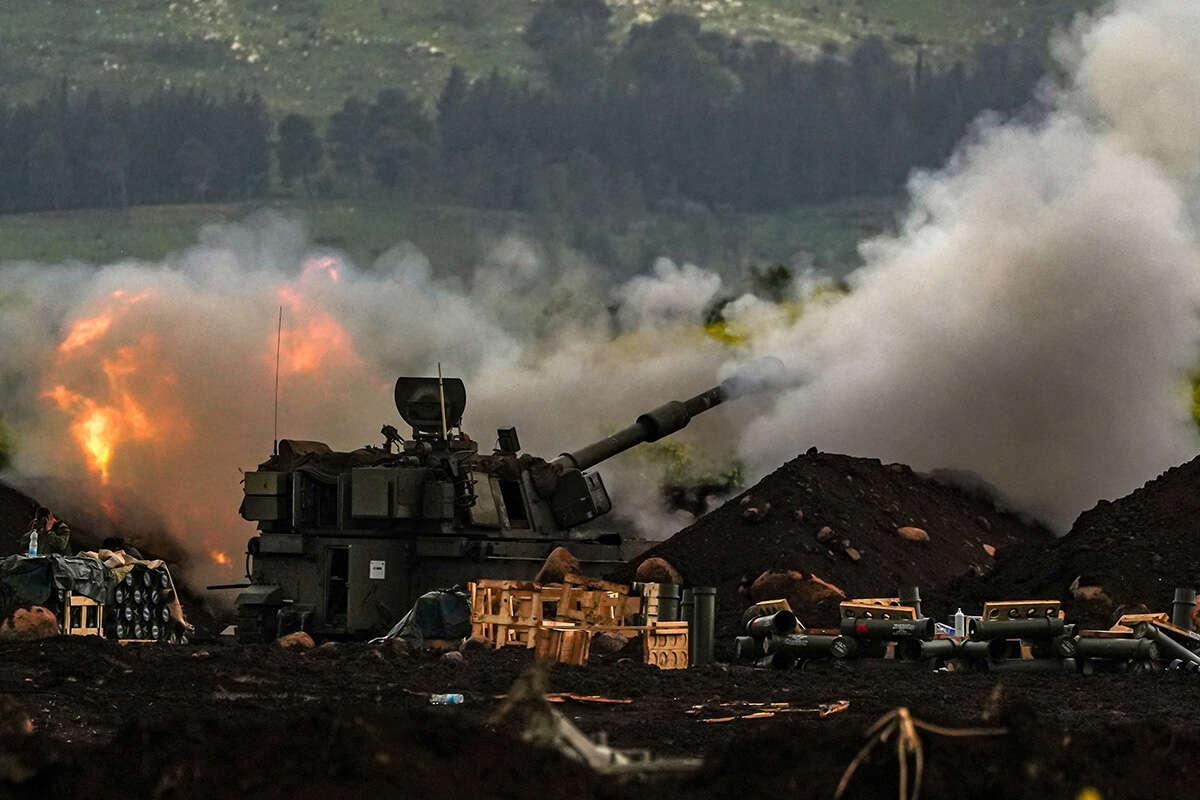
Trump Extends Israel-Hezbollah Ceasefire In Lebanon By Three Weeks
11 sources compared
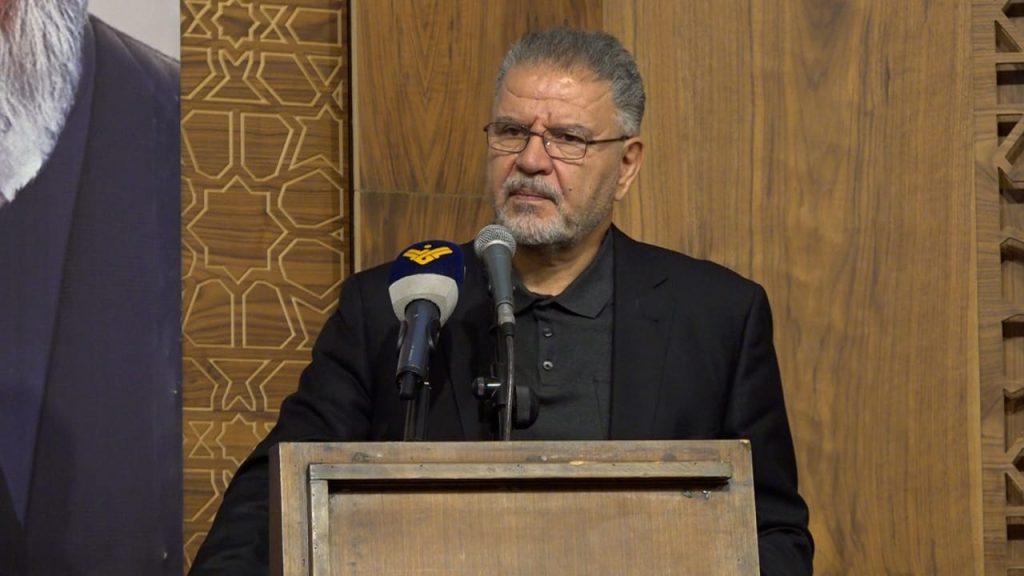
Trump Announces Three-Week Israel-Lebanon Ceasefire Extension After Hezbollah Dismisses It As Meaningless
11 sources compared

Trump Says Israel And Lebanon Extend Israel-Hezbollah Ceasefire By Three Weeks
18 sources compared
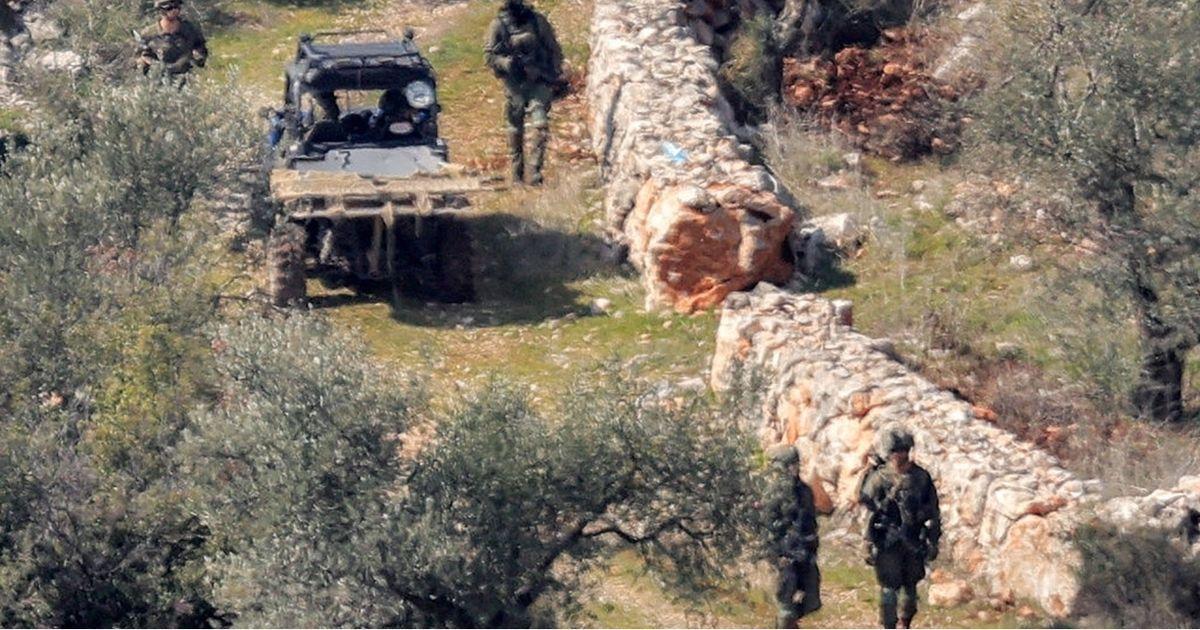
Hezbollah Drone Attack Injures Israeli Reservist as Israel Strikes Southern Lebanon
11 sources compared