Hezbollah prepares for prolonged confrontation with Israel as Lebanon enters widening regional war
Key Takeaways
- Hezbollah prepared for a prolonged confrontation, saying it learned lessons from the prior clash.
- Lebanon joins broader regional war as Israel escalates with air raids and border deployments.
- Qassem warns Israel, including Netanyahu, on International Quds Day, signaling unwavering resistance.
Hezbollah's War Preparations
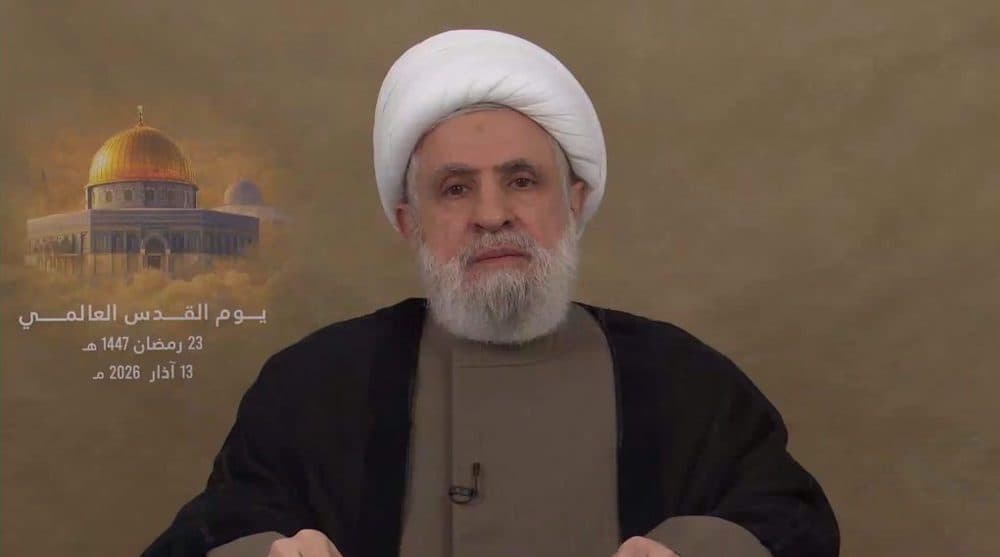
Hezbollah leader Naim Qassem has publicly declared the group's readiness for an extended military confrontation with Israel.
“The secretary-general of Lebanon’s Hezbollah, Naim Qassem, said Friday evening that the party had prepared itself for a long confrontation and that the enemy will be surprised on the ground”
In his second televised address since hostilities began, Qassem emphasized that Hezbollah had mobilized for sustained operations.

He warned Israeli forces would be 'surprised on the battlefield,' dismissing Israeli threats as ineffective.
The Hezbollah secretary-general characterized the struggle as fundamentally about controlling Lebanon's destiny.
He stated resistance against external attempts to diminish the group's presence and influence in the country.
This rhetoric represents a significant escalation in Hezbollah's public positioning.
The group has moved from defensive statements to an active acceptance of prolonged warfare.
Conflict Trigger
The recent escalation in hostilities was triggered by Hezbollah's attacks on Israeli positions.
These attacks followed the killing of Iranian supreme leader Ayatollah Ali Khamenei in strikes by U.S. and Israeli forces.
&w=3840&q=75)
This event drew Lebanon directly into the broader Middle East conflict.
The situation transformed from regional tensions into an active war scenario.
Hezbollah framed its military response as retaliation for Khamenei's assassination.
The response also continued resistance operations against Israeli presence in Lebanon.
The timing and coordination suggest a deliberate strategy to escalate the conflict.
This escalation occurred when regional dynamics were already highly volatile.
Israeli Response
Israel has issued stark warnings to Lebanon regarding Hezbollah's escalation.
“Israel, which had maintained limited strikes in Lebanon prior to the current conflict despite a 2024 ceasefire, has responded with air raids and deployed ground troops along the border, AFP noted”
Israel threatens damage to national infrastructure and wider ground campaigns.
Israel demands Hezbollah be disarmed and its activities curtailed.
Israeli officials indicate Lebanon faces an 'increasing price' for hosting Hezbollah.
This creates a complex dilemma for the Lebanese government.
Beirut must balance domestic security against regional conflict pressures.
The destruction of infrastructure demonstrates Israel's willingness to escalate.
A bridge over the Litani River was destroyed in recent operations.
Strategic Framing
Hezbollah frames the conflict as part of broader resistance against American-Israeli aggression.
The group claims Israel lacks 'real bank of targets' and cannot achieve objectives.

Hezbollah positions itself as defender of Lebanese sovereignty.
Qassem emphasizes 'legitimate defense' to confront what he calls aggression.
The group views its operations within resistance framework and international law.
This framing attempts to legitimize Hezbollah's actions domestically.
It also seeks international positioning as necessary protector.
Hezbollah attempts to avoid characterization as conflict instigator.
Regional Implications
The widening regional conflict now includes Lebanon as a critical front.
“Hezbollah's secretary-general issues a strong warning to Benjamin Netanyahu after the Israeli prime minister threatened to assassinate him”
Hezbollah's influence impacts both local governance and regional security.
The group's mobilization suggests anticipation of prolonged conflict.
This conflict could extend beyond tactical objectives to strategic struggle.
Hezbollah's involvement escalates the broader Middle East conflict.
As Iran's regional axis component, it may draw additional actors into confrontation.
The Lebanese government faces pressure to manage escalation while maintaining stability.
This creates a precarious balancing act between competing interests.
More on Asia
Iran Strikes Italian Military Base in Erbil, Forcing Troops Into Bunkers
28 sources compared
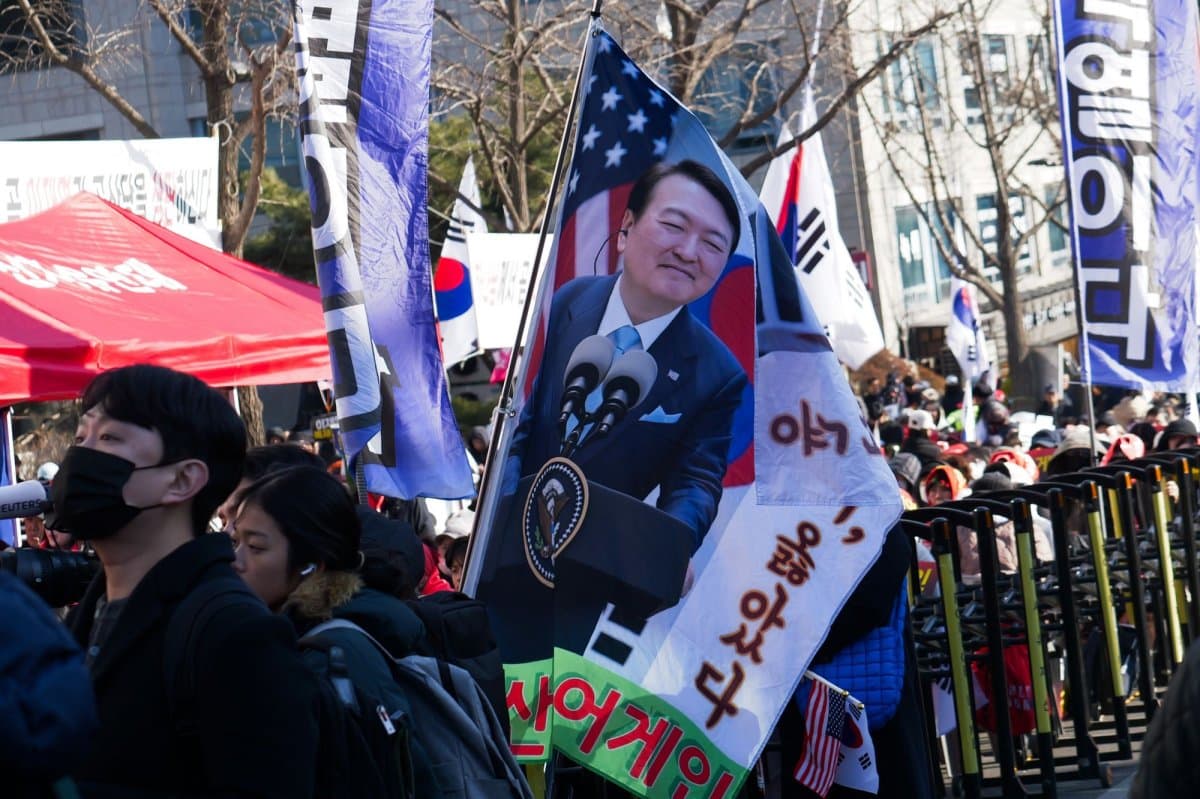
Former South Korean president Yoon Suk-yeol appeals life sentence for leading insurrection
14 sources compared

Diet Re-elects Sanae Takaichi as Prime Minister of Japan After LDP Landslide
14 sources compared

Former South Korean President Yoon Suk Yeol Apologizes After Life Sentence for Declaring Martial Law and Masterminding Insurrection
145 sources compared