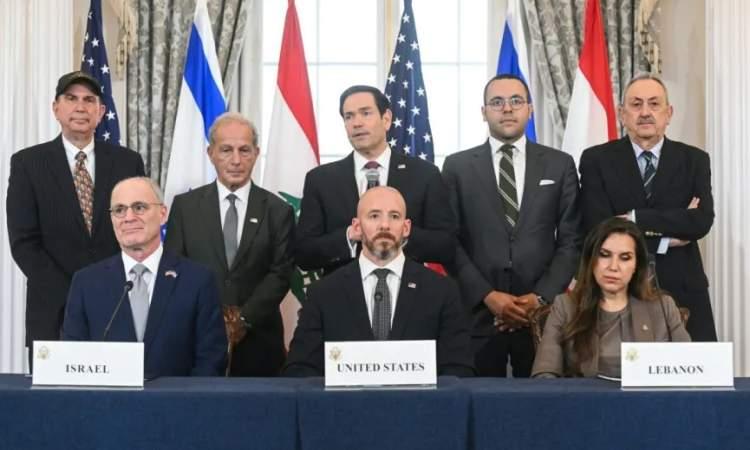
Hezbollah Rejects U.S.-Mediated Lebanon-Israel Framework Agreement, Says It Humiliates Sovereignty
Key Takeaways
- Hezbollah rejects direct negotiations with Israel and deems the Washington framework non-existent and humiliating.
- Qassem calls for Lebanon to withdraw from the US-backed framework, asserting sovereignty and security.
- Disarmament of Hezbollah is non-negotiable; talks must not condition withdrawal on disarming the resistance.
Rubio-backed framework in Washington
On June 26, the fifth round of U.S.-mediated negotiations between Lebanon and Israel concluded with a new framework agreement, and U.S. Secretary of State Marco Rubio and his team were described as the primary architects of the deal.
The framework is presented as a 14-point document that positions the United States as the sole mediator, facilitator and ultimate verifier, while establishing a bilateral framework of reciprocal responsibilities between Lebanon and Israel.
The phased process in the sources has Lebanon extend state authority by disarming non-state armed groups and dismantling their infrastructure, while Israel would gradually redeploy from Lebanese territory, with responsibility for execution falling directly on the Lebanese Armed Forces (LAF).
Fire service chief Mahmud Iqbal said rescue crews found most of the victims near the stairwells on the third and fourth floors—an unrelated detail from a different story that appears in the provided source set.
In the same agreement described by Caspianpost, Israel and Lebanon affirm each other's right "to live in peace" and "mutual aspiration to live in security as neighbouring sovereign states" while also stating that "all aggressive or subversive actions in international and judicial forums must cease."
Hezbollah rejects, Netanyahu hails
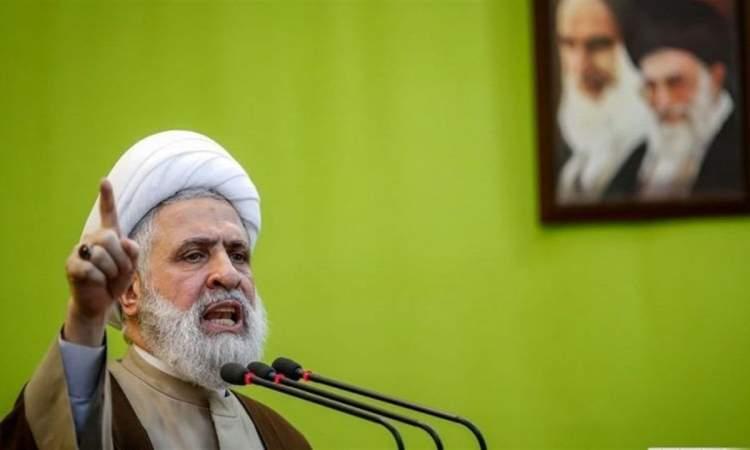
Hezbollah rejected the framework agreement, with Hezbollah secretary-general Naim Qassem saying it was "nonexistent" and a "humiliation, a disgrace, and a surrender of sovereignty" that should be replaced by the Iranian-American memorandum of understanding.
Qassem also warned that any attempt to link Israel's withdrawal from southern Lebanon to the disarmament of Hezbollah crosses "all red lines," and he said the provisions of the Iranian-American memorandum of understanding must be implemented.

In contrast, the sources describe Israeli Prime Minister Benjamin Netanyahu hailing the framework as a major achievement, and Caspianpost quotes Netanyahu saying, "The most important thing is that Israel remains, first and foremost, in the security zone in southern Lebanon."
Caspianpost further says the agreement provides for two pilot zones, one north of the Litani River and the other south of it, from which the Israel Defense Forces (IDF) will withdraw and hand responsibility over to the Lebanese Army.
The same Caspianpost account adds that the Lebanese Armed Forces must restore control over the country's entire territory "until the verified disarmament of non-state armed groups and the dismantling of the infrastructure associated with them has taken place."
Sovereignty stakes and implementation
The sources frame the stakes as a contest over sovereignty and the conditions for any Israeli withdrawal, with Hezbollah insisting that the framework agreement would legitimize occupation for an open-ended period.
In one Hezbollah statement carried by Al-Quds News Agency, Sheikh Naim Qassem said, "We will pursue by all necessary means and international and Arab pressures" so that the Israeli enemy adheres to the first clause of the memorandum of understanding and withdraws from Lebanon.
The same report quotes Qassem asking, "What is this horrific fall? What is this great sin in renouncing sovereignty to the Israeli enemy?" while tying the dispute to Netanyahu allowing the Lebanese Army to be empowered in two experimental areas.
Caspianpost describes the agreement as including a more active role for the U.S. military, stating that the U.S. will monitor implementation and train and strengthen the Lebanese Army, while Israeli sources say the IDF will remain deployed along the "Yellow Line."
It also says residents of southern Lebanon will not yet be permitted to return to their homes, and that if implementation in the pilot zones satisfies Israel, the arrangement will be extended to additional territories.
More on Lebanon
Hezbollah Rejects Israel-Lebanon Framework Agreement After Washington Talks With Marco Rubio
11 sources compared

Sheikh Naim Qassem Says Lebanon Framework Agreement Transfers Sovereignty From Zionist Regime
33 sources compared

Israeli Forces Withdraw From Dibin as Lebanese Army Opens Roads With UNIFIL
18 sources compared
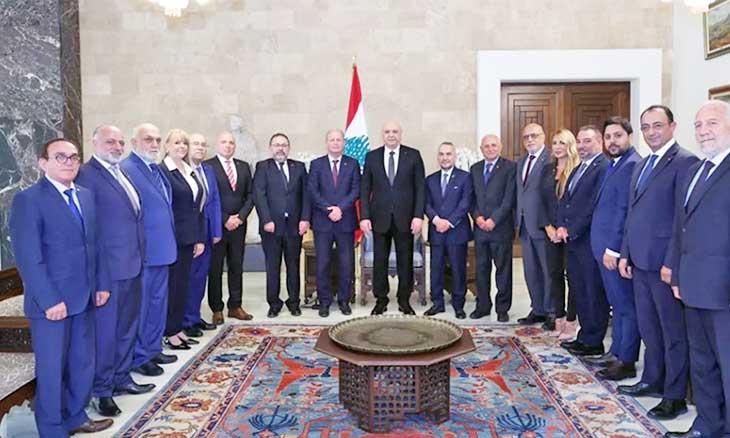
Israel Announces Rome Talks With Lebanon July 15-16, Italy Welcomes Dialogue
11 sources compared