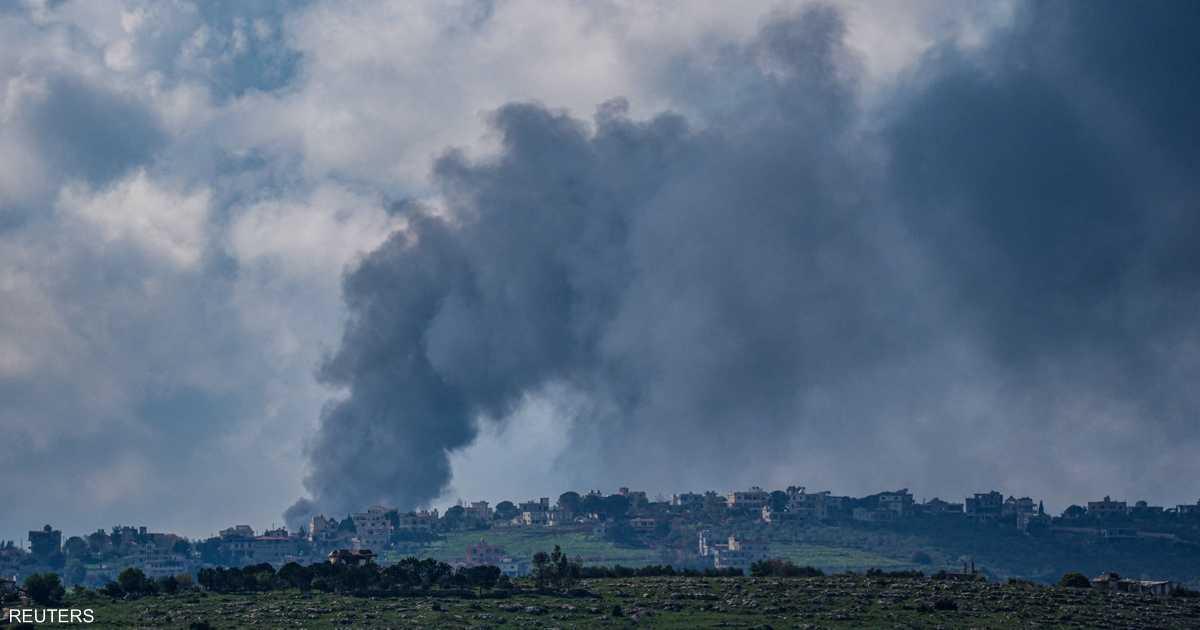
Hezbollah Says Ceasefire Is Meaningless as Israel and Hezbollah Clash in Southern Lebanon
Key Takeaways
- Hezbollah says ceasefire meaningless as fighting continues in south.
- Cross-border exchanges persist as Israeli strikes and Hezbollah attacks unfold in southern Lebanon.
- U.S.-brokered talks in Washington aim to extend the truce despite clashes.
Truce extended, clashes persist
A U.S.-mediated cease-fire between Israel and Hezbollah halted an all-out war, but clashes between the two sides intensified on Friday despite a newly extended cease-fire announced just the day before, according to The New York Times.
The Times said the fighting cast doubt on the truce as Lebanon and Israel prepare for higher-level peace negotiations, with President Trump announcing the three-week extension of the cease-fire on Thursday after hosting Israeli and Lebanese diplomats at the White House.

The New York Times reported that Hezbollah is not part of the U.S.-mediated talks, but it has signaled it intends to abide by the cease-fire if Israel does the same.
Reuters reported that Hezbollah said the ceasefire was “meaningless” as fighting continued in south, describing continued exchanges even as the truce remained in place.
The Times of Israel framed the diplomatic track as “historic negotiations, brokered by the US,” saying Lebanon was hoping to extend the shaky ceasefire as its representatives were set to meet Israeli envoys in Washington, DC.
In the same reporting stream, The Times of Israel said the truce began last week and was set to expire Sunday, while also describing repeated clashes including on Wednesday, Israel’s Independence Day.
The New York Times also tied the current escalation to a broader timeline, saying the latest conflict began last month when Hezbollah fired rockets into Israel in support of Iran, triggering a large-scale Israel bombing campaign and ground invasion of southern Lebanon.
The New York Times added that Israeli forces are still deployed in a broad section of the country’s south, which Israeli officials have said they plan to occupy indefinitely.
Negotiations in Washington, drones overhead
As the cease-fire’s extension and renewal were debated, the diplomatic process moved toward Washington, DC, where Israeli and Lebanese envoys were scheduled to meet.
The Times of Israel said Lebanon was set to meet Israeli envoys on Thursday for the second time in two weeks in Washington, DC, while Israeli officials projected optimism about the talks.

It described the negotiations as “the first sustained direct talks between Israel and its neighbor to the north in decades,” and said they were brokered by the US.
The New York Times reported that Lebanon and Israel were preparing for higher-level peace negotiations, with the truce extension announced after Trump hosted Israeli and Lebanese diplomats at the White House.
In parallel, The Times of Israel said the language of the truce deal allows Israel to strike to defend its territory or troops, and it described the IDF carrying out multiple strikes since the ceasefire took effect, citing violations.
The Times of Israel also reported that Hezbollah launched a drone at troops stationed in southern Lebanon during the day, which was intercepted by air defenses, and it quoted the IDF calling the attack a “blatant violation of the ceasefire agreement.”
The New York Times captured the atmosphere on the ground by quoting Fatima al-Masri, 49, in Qana, who asked, “Cease-fire? What cease-fire while drones are still hovering above us? What cease-fire while we are still losing our men and our loved ones?”
The New York Times added that Hezbollah has signaled it intends to abide by the cease-fire if Israel does the same, even as strikes on both sides have fallen significantly since the original cease-fire was announced last week.
Hezbollah, Israel trade claims
The sources describe a cycle of accusations and tactical actions that continued even as negotiations advanced.
The Times of Israel said Tuesday saw Hezbollah launch a barrage of rockets at troops in southern Lebanon and a drone at Israel, also citing truce violations, and it added that Israel had not yet responded to those attacks beyond striking a rocket launcher used in the barrage.
It also said the military struck and killed two Hezbollah operatives the previous day after they crossed the ceasefire line in southern Lebanon.
Reuters’ headline and framing again emphasized Hezbollah’s position, saying Hezbollah said the ceasefire was “meaningless” as fighting continued in south.
In a separate West Asian report, سكاي نيوز عربية said the Israeli army announced it had surrounded the town of Bint Jbeil in southern Lebanon after clashes it said killed dozens of Hezbollah fighters, and it quoted the army saying that “the 98th Division has completed surrounding the town of Bint Jbeil and begun an assault on it.”
That same report said the army stated it had “neutralized more than 100 Hezbollah militants in face-to-face and air clashes,” and it said it had destroyed “dozens of terrorist infrastructures” and found hundreds of fighting means in the area.
Hezbollah’s counter-narrative, as presented by الجزيرة نت, described its own operations and direct hits, including saying it destroyed four tanks and two armored personnel carriers during clashes as its fighters targeted an Israeli force attempting to advance from Taiba toward Khazan in Qantara.
The same الجزيرة نت report said Hezbollah’s military operations against the occupation would continue until the “Israeli-American aggression against our country and people stops,” underscoring that the fighting was not treated as a temporary pause by the group.
Diverging frames on the same truce
Different outlets portray the same cease-fire period through sharply different emphases, from diplomatic process to battlefield skepticism.
The New York Times centers the truce extension and the risk that intensifying attacks could collapse it, describing the cease-fire as having halted an all-out war while still warning that the fighting could put the truce at risk.

It quotes Fatima al-Masri asking, “Cease-fire? What cease-fire while drones are still hovering above us? What cease-fire while we are still losing our men and our loved ones?” and it frames the conflict as having killed roughly 2,500 people in Lebanon, while also reporting two civilians were killed in Israel and 15 soldiers.
Reuters, by contrast, foregrounds Hezbollah’s dismissal of the cease-fire, using the formulation that Hezbollah said the ceasefire was “meaningless” as fighting continued in south.
The Times of Israel emphasizes the negotiation architecture and the political messaging around it, describing the talks as “historic negotiations, brokered by the US,” and it includes statements from Israeli officials about the obstacles to peace.
It quotes Foreign Minister Gideon Sa’ar saying, “We made a historic decision to negotiate directly with Lebanon after more than 40 years,” and it also quotes him calling Hezbollah “the obstacle to peace and normalization between the countries.”
Meanwhile, The Times of Israel also includes Lebanon’s political posture, quoting Lebanese Prime Minister Nawaf Salam saying, “We are not seeking confrontation with Hezbollah; on the contrary, I would prefer to avoid confrontation with Hezbollah.”
In the West Asian reporting, سكاي نيوز عربية and الجزيرة نت shift the focus back to battlefield geography and tactical claims, with skay describing Israel surrounding Bint Jbeil and beginning an assault, and الجزيرة نت listing Hezbollah operations and Israeli responses including sirens in Misgav Am and Margaliot and in Karmiel and Kiryat Shmona.
Human toll, security zone, next steps
The stakes described across the reporting include both the human cost of continued fighting and the political and military steps that could shape what comes after the truce.
The New York Times said the conflict has killed roughly 2,500 people in Lebanon, and it reported that two civilians were also killed in Israel, along with 15 soldiers, while also describing how strikes have fallen significantly since the original cease-fire was announced last week.

In the West Asian reporting, الجزيرة نت said the Israeli army has been conducting heavy strikes on Lebanon since March 2, leaving 2,167 dead, 7,061 wounded, and more than a million displaced, according to the latest official figures.
سكاي نيوز عربية similarly tied the war’s latest outbreak to March 2, saying it erupted after Hezbollah fired rockets at the Israeli state in response to the killing of Iran’s Supreme Leader Ali Khamenei in the US-Israeli attack on Tehran on February 28.
Both West Asian reports also described Israel’s stated security objectives in southern Lebanon, with سكاي نيوز عربية saying Israeli officials stressed that Israel seeks to establish a “security zone” in southern Lebanon that could extend to the Litani River, located about 30 kilometers from the border.
الجزيرة نت added that Prime Minister Benjamin Netanyahu ordered the army to widen the security zone in southern Lebanon as fighting with Hezbollah continued, and it said the security zone would extend east toward the slopes of Mount Hermon to support Druze communities and stretch along the Syrian-Lebanese border to reach the Golan Heights, which Israel has annexed.
On the diplomatic side, The Times of Israel said Lebanon hopes to secure a one-month extension to the ceasefire at Thursday’s talks, and it described Reuters reporting that if the ceasefire is extended, the goals include exploring a date for expanded negotiations beyond the ambassadorial level, including Lebanon pushing for an Israeli withdrawal, the return of Lebanese detained in Israel, and a delineation of the land border.
The Times of Israel also quoted Lebanese President Joseph Aoun saying Wednesday that “contacts are underway to extend the ceasefire period.”
More on Lebanon
Israeli Forces Kill Six Hezbollah Fighters in Bint Jbeil Clash
14 sources compared
Israeli Forces Kill Six Hezbollah Fighters in Bint Jbeil Clash
13 sources compared

Trump Says Israel And Lebanon Extend Israel-Hezbollah Ceasefire By Three Weeks
18 sources compared
Hezbollah Drone Attack Injures Israeli Reservist as Israel Strikes Southern Lebanon
11 sources compared