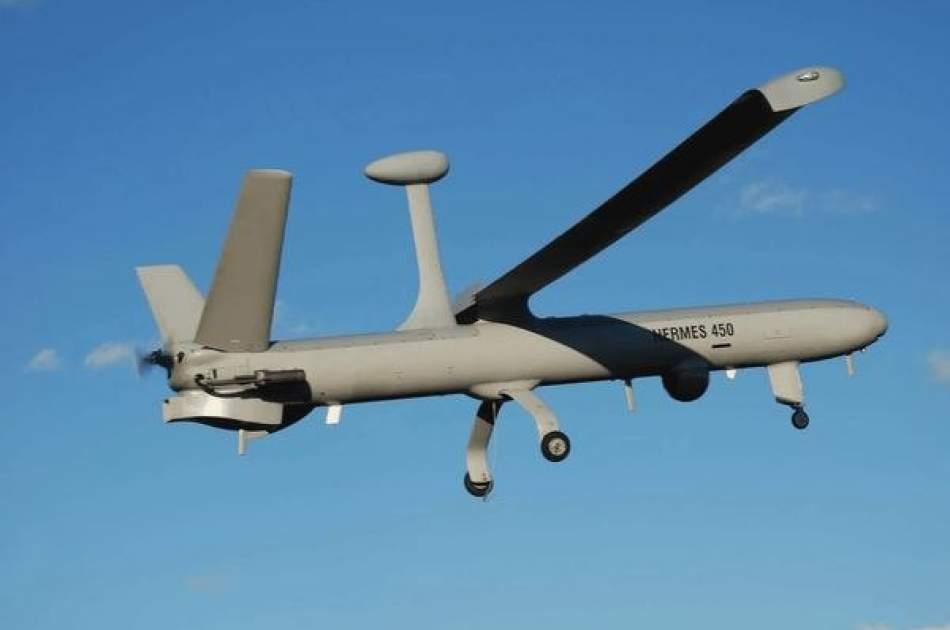
Hezbollah Shoots Down Israeli Hermes 450 Drone in Tyre–Al-Housh Area
Key Takeaways
- Hezbollah shot down an Israeli Hermes 450 drone over Tyre–Al-Housh using a surface-to-air missile.
- The incident followed Israeli ceasefire violations and attacks in southern Lebanon.
- Hezbollah framed the strike as defense of Lebanon and retaliation for ceasefire violations.
Ceasefire, then more fire
Hezbollah said it continued responding to what it described as Israeli violations of Lebanon’s ceasefire, issuing multiple statements tied to specific times and locations across southern Lebanon.
In one account, Hezbollah’s military media said fighters “shot down at 14:10 on Friday 24-04-2026 an ‘Israeli’ enemy army drone of the type ‘Hermes 450 – Zik’” in the “Tyre–Al-Housh area” using a surface-to-air missile.

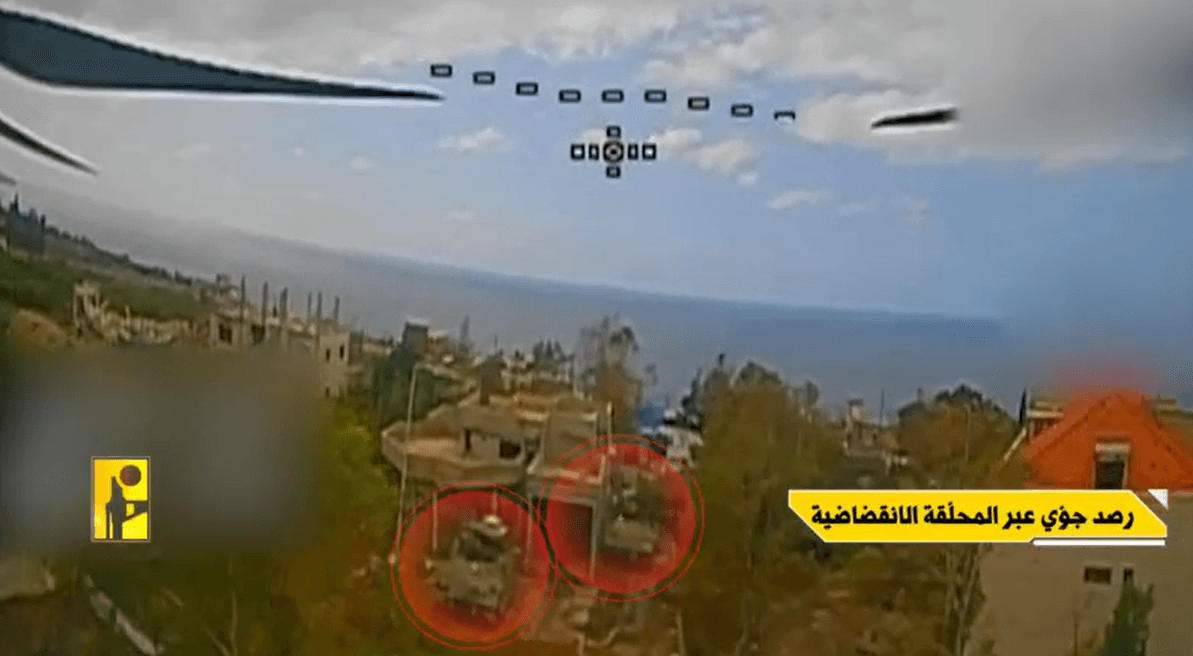
In another statement, Hezbollah said it targeted “a gathering of ‘Israeli’ enemy army soldiers in Al-Qantara town with a loitering glider, achieving a confirmed hit” at “13:00 on Friday 24-04-2026.”
Hezbollah also said it targeted a “military vehicle belonging to the ‘Israeli’ enemy army in Al-Qantara town with a loitering glider, achieving a confirmed hit” at “13:00 on Friday 24-04-2026.”
It further claimed it targeted a Humvee “at the entrance of Al-Qantara town” at “18:30 on Friday 24-04-2026,” and said it targeted an armored personnel carrier in “Ramyeh town” at “14:30 on Friday 24-04-2026.”
Anadolu Ajansı similarly reported that Hezbollah said it launched a drone attack at Israeli troops in “the town of Qantara, in the Marjayoun District,” claiming a “direct hit,” and that it shot down an Israeli drone in the “Housh area near Tyre” using a surface-to-air missile identified as a “Hermes 450 model.”
Al Jazeera, meanwhile, reported that “Israel has continued its attacks on southern Lebanon” hours after the ceasefire was extended for three weeks, and said the Israeli military claimed it had “eliminated” six Hezbollah fighters in the area of “Bint Jbeil.”
What led to the clashes
The renewed exchanges were framed by multiple outlets as retaliation tied to earlier strikes and the timing of the ceasefire extension.
Anadolu Ajansı said Hezbollah claimed its drone attack on Qantara was “in retaliation for Israeli strikes on civilians, including an airstrike earlier Friday on the town of Touline, where two people were killed,” and it described “intense” clashes in “the town of Bint Jbeil.”

It also reported that Israeli warplanes struck a house in Touline “followed by artillery shelling in the area,” and that “Additional airstrikes targeted the town of Kherbet Selm.”
The same Anadolu Ajansı report said the attacks came “hours after US President Donald Trump announced that a ceasefire between Israel and Lebanon had been extended by three weeks,” describing the US-brokered “10-day ceasefire, which took effect April 16,” and noting it was set to expire Sunday.
Al Jazeera likewise tied the fighting to the ceasefire timeline, saying the attacks marked “the latest violations of a ceasefire that began on April 16 after weeks of fighting between Israel and Hezbollah,” and it added that the casualty toll since “March 2” had risen to “2,491 people killed and 7,719 wounded, Lebanon’s Health Ministry said.”
In a separate Israeli account, JNS.org said “Israel struck Hezbollah targets in two locales in Southern Lebanon hours after terrorists had fired rockets into Israel from the area in violation of the April 16 ceasefire,” and it specified the strikes were on Hezbollah military structures in “Kherbet Selem and Touline.”
BBC reported the extension itself, saying Trump announced the ceasefire would be extended by “three weeks” after talks between envoys in Washington, and it described the meeting as “went very well,” with Trump adding the US would work with Lebanon “to help it protect itself from Hezbollah.”
Voices trade blame
Hezbollah and Israeli officials used the ceasefire extension to argue over who was violating it, with multiple named figures and quoted statements appearing across reports.
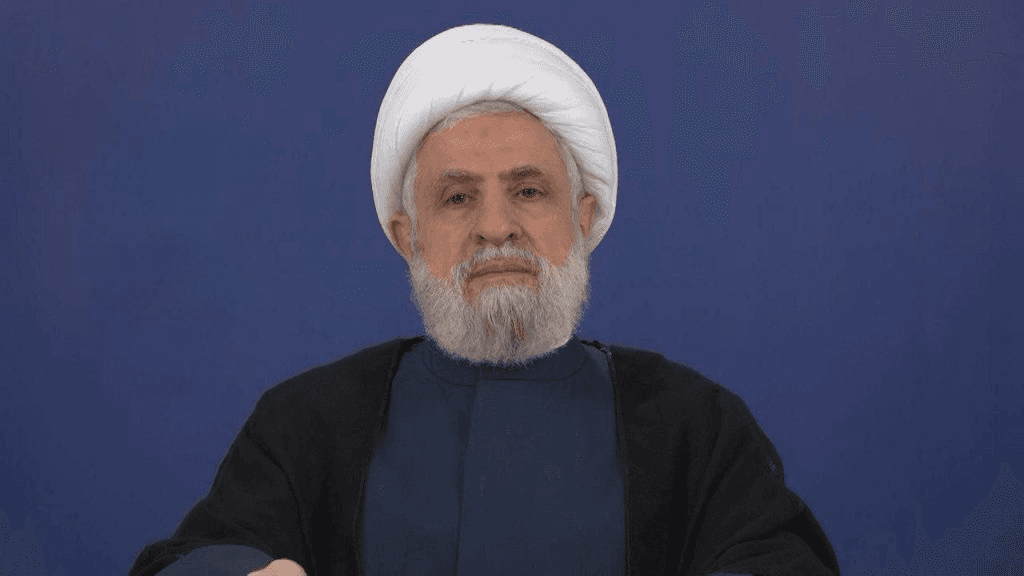
Al Jazeera quoted Hezbollah dismissing the extension as “meaningless,” saying Hezbollah lawmaker Ali Fayyad stated: “It is essential to point out that the ceasefire is meaningless in light of Israel’s insistence on hostile acts, including assassinations, shelling, and gunfire,” and adding that “every Israeli attack gave Hezbollah the “right to retaliate.””
In the same Al Jazeera report, it quoted Israel’s Prime Minister Benjamin Netanyahu saying Israel was “maintaining full freedom of action against any threat” and accusing Hezbollah of “trying to sabotage” the ceasefire deal.
Al Jazeera also quoted United Nations Secretary-General Antonio Guterres welcoming the extension and urging compliance, saying “Everyone must fully respect the cessation of hostilities, cease any further attacks & comply with their obligations under international law,” and it said Guterres praised the US for its role in mediating the truce.
BBC included Netanyahu’s counterpart framing from the US side, reporting that Trump said the meeting “went very well” and that the US would be working with Lebanon “to help it protect itself from Hezbollah,” while also quoting Trump’s Oval Office remarks that “They do have Hezbollah to think about,” and “We are going to be working with Lebanon to get things straightened out in that country.”
BBC also quoted Israeli Ambassador Yechiel Leiter praising the goal of removing Hezbollah’s influence, saying Israel and Lebanon were united in their aim to rid Lebanon of “this malign influence called Hezbollah.”
Anadolu Ajansı reported that Lebanon’s National News Agency described “intense” clashes between Hezbollah fighters and the Israeli army in Bint Jbeil, and it said the Israeli army claimed it had killed six Hezbollah members, while Hezbollah “has not commented on the claim.”
Different outlets, different emphasis
The same sequence of events was presented with different emphases and sometimes different casualty and operational details across outlets, reflecting contrasting narratives about what the ceasefire extension meant in practice.
Al Jazeera described “ongoing military activity despite the truce,” quoting reporter Heidi Pett from Tyre saying: “There have been air strikes, drone strikes, home demolitions and continued occupation of territory here in southern Lebanon,” and it added that “Hezbollah also began firing back rockets and drones at Israeli troops inside southern Lebanon, but also across the border inside Israel.”
In contrast, ynetnews framed the period as Hezbollah violations while emphasizing Israeli restraint, saying “At least 15 Hezbollah ceasefire violations in 4 days as Israel remains silent,” and it described how Israeli forces “refrained from expanding the scope of operations” even as it listed multiple incidents including “Explosive drones were launched at Israeli forces in the Qantara area of southern Lebanon” and a “surface-to-air missile” fired at an Israeli drone.
Al-Manar TV Lebanon presented the same general pattern as Hezbollah “responding” to Israeli actions, listing five separate Hezbollah statements with specific times and targets, including “demolishing homes in the villages of southern Lebanon” as the trigger for an attack on an armored personnel carrier in Ramyeh.
Anadolu Ajansı, while also describing Hezbollah’s claims, incorporated Israeli and Lebanese official claims in a single narrative, reporting that the Israeli army claimed “it had killed six Hezbollah members during the clashes, with no casualties on its side,” and it also reported that Lebanon’s National News Agency said Israeli warplanes struck Touline and that artillery shelling followed.
Naharnet described a specific drone incident after “2 killed in strike on Touline,” saying Hezbollah shot down an “Israeli” Hermes 450 drone over the Tyre region and that the Israeli military confirmed a “remotely piloted aircraft” was downed following Hezbollah’s “small surface-to-air missile.”
JNS.org and BBC, meanwhile, emphasized the diplomatic and operational framing around the extension, with JNS.org saying the IDF strikes came “hours after” rockets were fired in violation of the April 16 ceasefire and BBC focusing on Trump’s announcement and the envoys’ meeting in Washington.
Casualties and what comes next
Across the reports, the ceasefire extension did not halt the flow of reported deaths, injuries, and strikes, and it left multiple parties positioning for continued operations and negotiations.
“The Islamic Resistance continued on Friday responding to every attack launched by the Israeli occupation forces on South Lebanon towns and villages”
Al Jazeera said the casualty toll since the current round began on “March 2” had risen to “2,491 people killed and 7,719 wounded,” and it added that the Israeli military said it had “eliminated” six Hezbollah fighters in Bint Jbeil while the Lebanese Health Ministry reported “two people were killed in an Israeli air strike in the southern area of Touline.”
Anadolu Ajansı similarly reported “two people were killed” in Touline and said Israeli strikes continued in southern Lebanon, including airstrikes on “Kherbet Selm,” while it described the ceasefire as extended by three weeks after ambassador-level talks at the White House.
BBC provided a broader death and displacement context, saying at least “2,294 people have been killed in Israeli attacks in Lebanon since the latest war began,” and it specified the death toll included “274 women and 177 children,” while also citing UN figures that “more than one million people, roughly one in five of the population, have been displaced in the latest fighting.”
In the operational framing, ynetnews described the “Yellow Line” in Lebanon as a defensive line adopted after Trump’s ceasefire announcement and said under the agreement “Israeli forces are permitted to remove immediate threats and operate along the Yellow Line,” while Hezbollah demanded Israel withdraw from southern Lebanon and halt demolitions.
Al Jazeera quoted Hezbollah lawmaker Ali Fayyad saying the ceasefire was meaningless and that “every Israeli attack gave Hezbollah the “right to retaliate,”” while Netanyahu said Israel was maintaining “full freedom of action against any threat,” signaling continued hostile activity despite the extension.
JNS.org added that the IDF strikes were carried out after rockets were fired into Israel in violation of the April 16 ceasefire and said the IDF spokesperson’s unit wrote on X that the strikes were on Hezbollah military structures in “Kherbet Selem and Touline.”
More on Lebanon
Israeli Forces Kill Six Hezbollah Fighters in Bint Jbeil Clash
14 sources compared
Israeli Forces Kill Six Hezbollah Fighters in Bint Jbeil Clash
13 sources compared

Trump Says Israel And Lebanon Extend Israel-Hezbollah Ceasefire By Three Weeks
18 sources compared
Hezbollah Drone Attack Injures Israeli Reservist as Israel Strikes Southern Lebanon
11 sources compared