Hormuz Disruption Triggers Global Urea Shortage Threatening 65–70% Of Global Supply
Key Takeaways
- Fertilizer prices have surged due to Iran-war disruptions.
- One-third of global seaborne fertilizer trade goes through Strait of Hormuz, now disrupted.
- Global food prices and inflation risks rise from energy shocks, fertilizer costs, and shipping disruptions.
Hormuz-linked fertilizer shock
The Hormuz disruption has escalated from an energy shock into a global fertilizer supply shock that could threaten a large share of the world’s urea—some estimates warn as much as 65%–70% of global supply.
“Energy shock to food prices: How Iran war is raising global inflation risks Economists warn the impact of the US-Israel war with Iran could soon be felt in supermarket prices around the world - Rising oil prices and shipping disruptions linked to the war are beginning to filter through global food systems, say experts - ‘There are three main channels of impact – three F’s: fuel, fertilizer and financial markets,’ says Chris Barrett, an agricultural economist at Cornell University The US-Israel war with Iran is beginning to affect more than just energy markets, as economists warn its impact could soon be felt in supermarket prices around the world”
About one-third of the world’s sea-borne fertilizer trade passes through the Strait of Hormuz.

Fertilizer prices have already jumped sharply, with Middle East urea prices up more than 90 USD per metric ton in one week (a 19% rise) and roughly 40% higher than before the war.
Shipping-insurance premiums have surged as insurers adjust to higher risk in Hormuz routes.
The resulting dynamics threaten broader inflation and food-price pressures, especially for fertilizer-dependent crops.
Fertilizer gaps hit yields
Lower fertilizer application can significantly reduce yields.
Farmers may respond by reducing fertilizer use or shifting to crops that require fewer inputs.

Kenya has seen fertilizer costs rise, signaling broader yield risks.
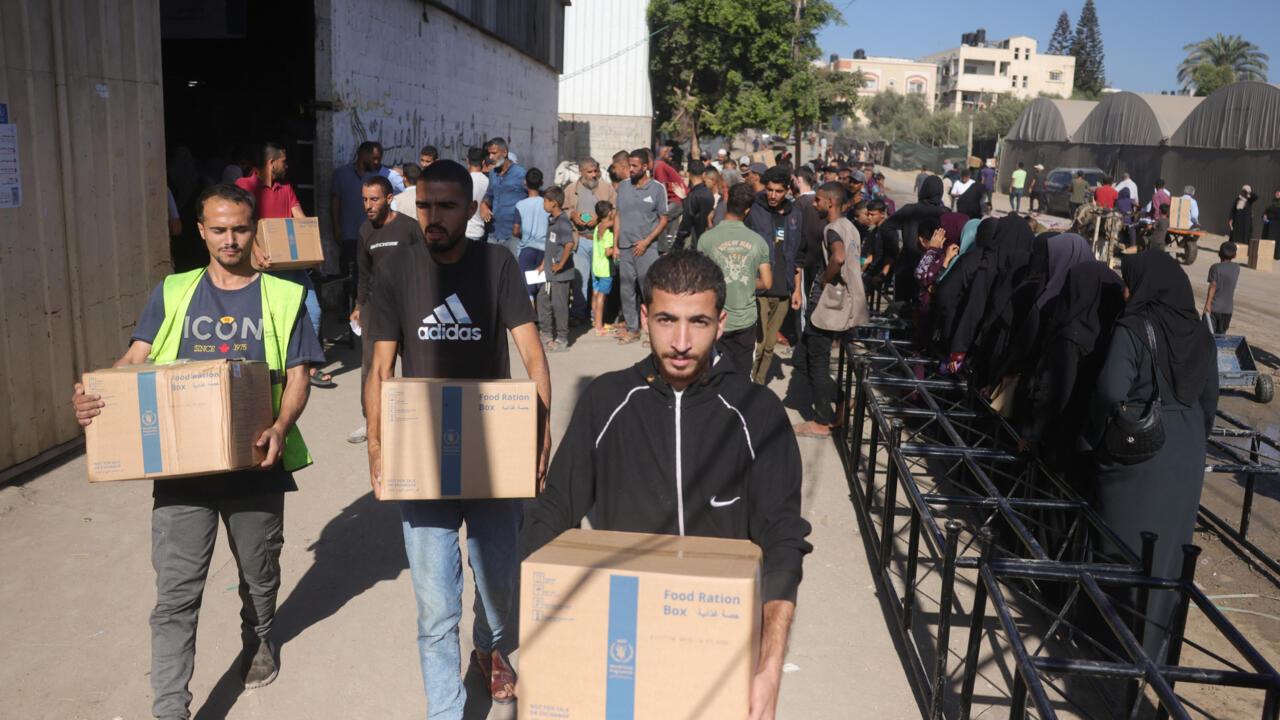
The World Food Programme cautions that the impact will be felt most by vulnerable populations.
Markets, insurance, and finance
Nutrien reported potash adjusted EBITDA of $2.25 billion and projected global potash shipments of 74 to 77 million tonnes in 2026.
“Skip to main content Listen to article As the Iran war rattles global supply chains, one unlikely corner of the Canadian market is cashing in: fertilizer stocks”
Shipping insurance premiums have surged after insurers expanded high-risk zones, with war-risk coverage rising from about 0.25 percent to as much as 10 percent of a vessel’s value.
There are three main channels of impact — three F’s: fuel, fertilizer and financial markets.
Attacks on key energy infrastructure and disruptions in LNG supplies are impacting fertilizer production worldwide, especially urea.
Global vulnerability by country
Not all countries are in the same position to face this crisis; Brazil and Argentina seem comparatively more capable of absorbing the shock.
Paths forward and cautions
If resolved within weeks, global markets could absorb the shock, but a prolonged crisis lasting three months or more could produce larger, lasting price pressures.
More on Iran

Donald Trump Renames Strait of Hormuz ‘Strait of Trump’ Amid US-Iran Naval Blockade
17 sources compared

Mojtaba Khamenei Threatens Revenge, Vows To Protect Nuclear And Missile Capabilities In Hormuz Strait
17 sources compared

Pentagon Tells House Armed Services Iran War Costs $25 Billion So Far
10 sources compared

Brad Cooper Briefs Donald Trump on New U.S. Military Options Against Iran Thursday
15 sources compared