
Hossein Dehghan Named New Secretary of Iran's Supreme National Security Council
Key Takeaways
- Hossein Dehghan appointed head of Iran's top security council
- Former defense minister and senior IRGC figure appointed to the role
- IRGC veteran who commanded forces in Lebanon and led its air force
Appointment Details
Iran has appointed former Defense Minister Hossein Dehghan as Secretary of the Supreme National Security Council.
“GENEVA Gulf states have requested an urgent debate at the United Nations Human Rights Council in Geneva over Iran’s strikes on civilians and energy infrastructure across the Middle East, according to documents seen by Reuters, in a move that underscores a rapidly escalating diplomatic confrontation between the two sides”
He replaces Ali Larijani who was killed in a US-Israeli airstrike on Tehran earlier this week.

Dehghan, a 68-year-old senior military figure, currently heads the Mostazafan Foundation, one of Iran's largest economic institutions.
The appointment comes amid heightened regional tensions following the killing of Larijani along with his son Morteza, Basij commander Gholam Reza Soleimani, and an assistant in the airstrike.
Iranian media confirmed the transition, marking Dehghan's return to a key national security position as Iran faces ongoing regional conflicts and strategic challenges.
Military Background
Dehghan brings extensive military and security experience to his new role, having spent decades within the Islamic Revolutionary Guard Corps (IRGC).
His career includes serving as commander of IRGC forces in Lebanon and Syria during the early 1980s.

He followed this by becoming IRGC Air Force commander between 1990 and 1992.
During the Islamic revolution, Dehghan participated in the occupation of the US embassy in Tehran.
Later as commander of the IRGC in Tehran, he oversaw the suppression and execution of opponents to the newly formed Islamic Republic.
He served as Iran's Defense Minister from 2013 to 2017 under President Hassan Rouhani, consolidating his position as one of Iran's most influential military figures.
Controversial Background
Dehghan's appointment comes with significant international controversy, as he has been sanctioned by the United States for his alleged involvement in the October 1983 bombing of multinational force bases in Beirut.
“In Syria and Lebanon he was the commander of the training corps of the IRGC”
That bombing killed 241 American soldiers along with dozens of French troops.
The US imposed sanctions on him in 2019 specifically for this incident.
His history includes participating in the 1979 US embassy occupation in Tehran.
He also oversaw the suppression of political opponents during the early years of the Islamic Republic.
These controversial aspects of his background underscore the complex nature of Iran's security apparatus and the hardline approach likely to characterize his tenure as Supreme National Security Council secretary.
Strategic Context
The timing of Dehghan's appointment is particularly significant, coming in the immediate aftermath of the US-Israeli airstrike that killed former Supreme National Security Council secretary Ali Larijani and several high-ranking Iranian military officials.
This strike represents a dramatic escalation in regional tensions, occurring after Iran retaliated against attacks on its energy infrastructure.
Iran targeted facilities across the Persian Gulf, including those in Qatar and Saudi Arabia.
The attack pushed oil and gas prices higher and raised concerns about further regional conflict spreading through the oil and gas network.
Dehghan's appointment signals Iran's determination to maintain its security posture despite these provocations and potentially retaliate more forcefully against what Tehran views as Israeli aggression.
Regional Strategy
Dehghan's elevation to national security leadership comes as Iran is considering bold new economic and military strategies that could reshape its regional positioning.
“GENEVA Gulf states have requested an urgent debate at the United Nations Human Rights Council in Geneva over Iran’s strikes on civilians and energy infrastructure across the Middle East, according to documents seen by Reuters, in a move that underscores a rapidly escalating diplomatic confrontation between the two sides”
Lawmakers are pursuing a bill that would require countries using the Strait of Hormuz for shipping, energy transit, and food supplies to pay tolls and taxes to Iran.
This is framed as compensation for providing security along the strategically vital waterway.
The proposal includes a 'security tax' that countries would pay in return for Iran maintaining regional security.
This initiative reflects Iran's ambition to transform its strategic position in the Strait of Hormuz, leveraging the current conflict to move from being under sanctions to a powerful position in the region and the world.
Senior Iranian officials have explicitly stated that the war creates opportunities to redefine Tehran's role in the waterway after the conflict ends.
Future Implications
The combination of Dehghan's appointment and Iran's emerging strategic vision suggests a more confrontational approach to regional security and economic policy.
With his deep military background and controversial history, Dehghan is positioned to implement Iran's new assertive stance on the Strait of Hormuz.
He could potentially use the waterway as leverage against Western powers.
Senior Iranian officials have indicated that Iran could use its strategic position in the Strait of Hormuz to 'sanction them and not allow their ships to pass through this waterway.'
This represents a significant escalation in Iran's regional strategy, moving from defensive posturing to proactive economic warfare.
The appointment of Dehghan, a hardline military figure with experience in both regional conflicts and economic management, suggests that Iran intends to pursue this more aggressive approach under his leadership of the Supreme National Security Council.
More on Iran
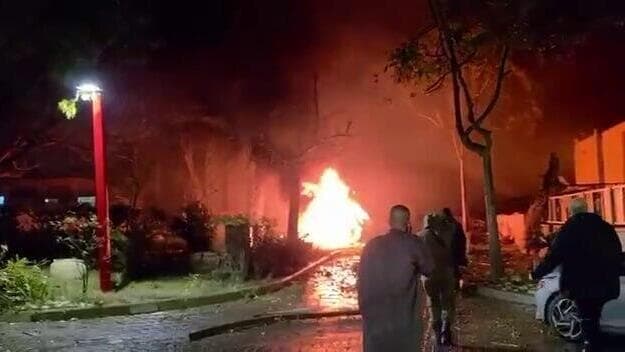
Iranian missiles strike Dimona and Arad, injuring over 100.
47 sources compared
Israel and U.S. Strike Natanz Nuclear Facility Again; Iran Blames Attack
69 sources compared

Iran Attacks Diego Garcia with Long-Range Missiles, Targeting U.S.-UK Base
82 sources compared
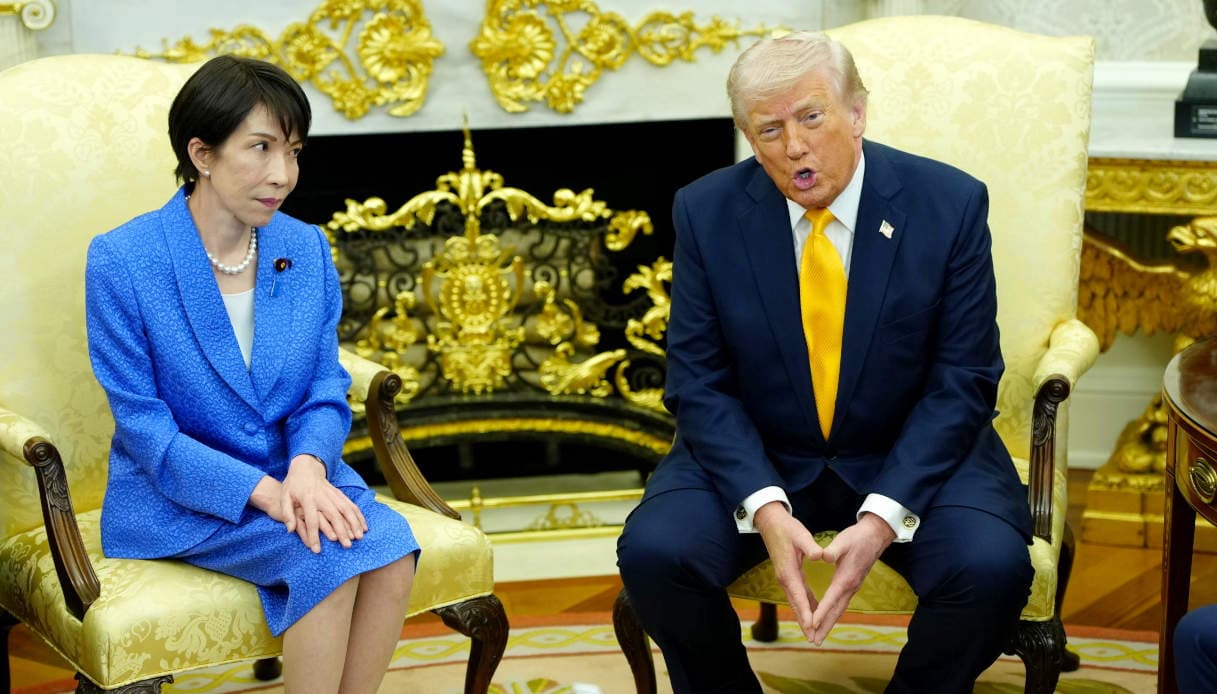
Trump Defends Iran War by Citing Pearl Harbor
12 sources compared