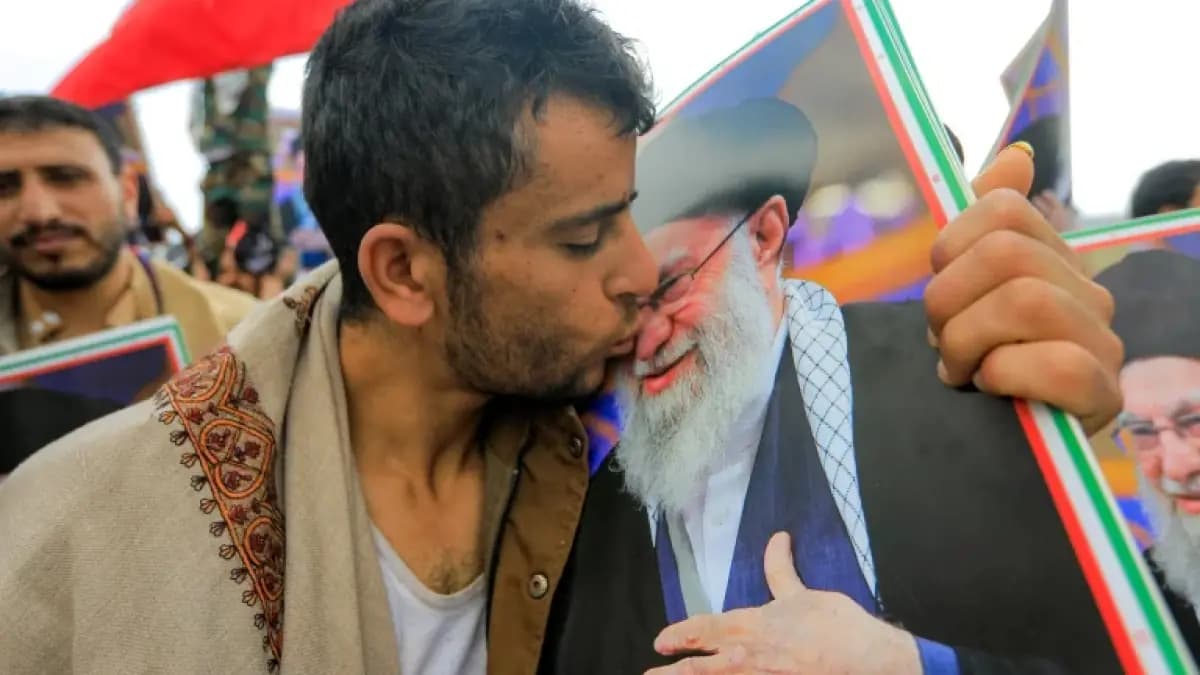
Houthi Leader Abdul Malik al-Houthi Threatens Attack on U.S. and Israel, Says 'Fingers on Trigger'
Houthi threats and posture
Houthi leader Abdul Malik al‑Houthi has publicly warned that his movement is prepared to strike the United States and Israel, repeatedly saying its fighters have their 'fingers on the trigger' and are 'ready to respond' if needed.
“Analysts say the Houthi movement remains a potential but cautious participant in the wider regional fighting”
Multiple outlets report the movement has amplified anti‑U.S. and anti‑Israeli rhetoric while stopping short of full entry into the wider Iran–U.S.–Israel confrontation, signaling a posture of readiness rather than immediate, large‑scale engagement.
Fox News quotes al‑Houthi as saying the group is prepared to join a war against the U.S. and Israel, declaring 'our fingers are on the trigger, ready to respond at any moment'.
Other reporting notes the Houthis are 'monitoring developments' and remain 'ready to act'.
Reasons for Houthi restraint
Analysts and regional observers offer reasons for the Houthis' current restraint.
Reporting highlights direct U.S. military involvement and a perception that Iran, identified as the Houthis' main backer, has weakened, which have contributed to a cautious Houthi posture.
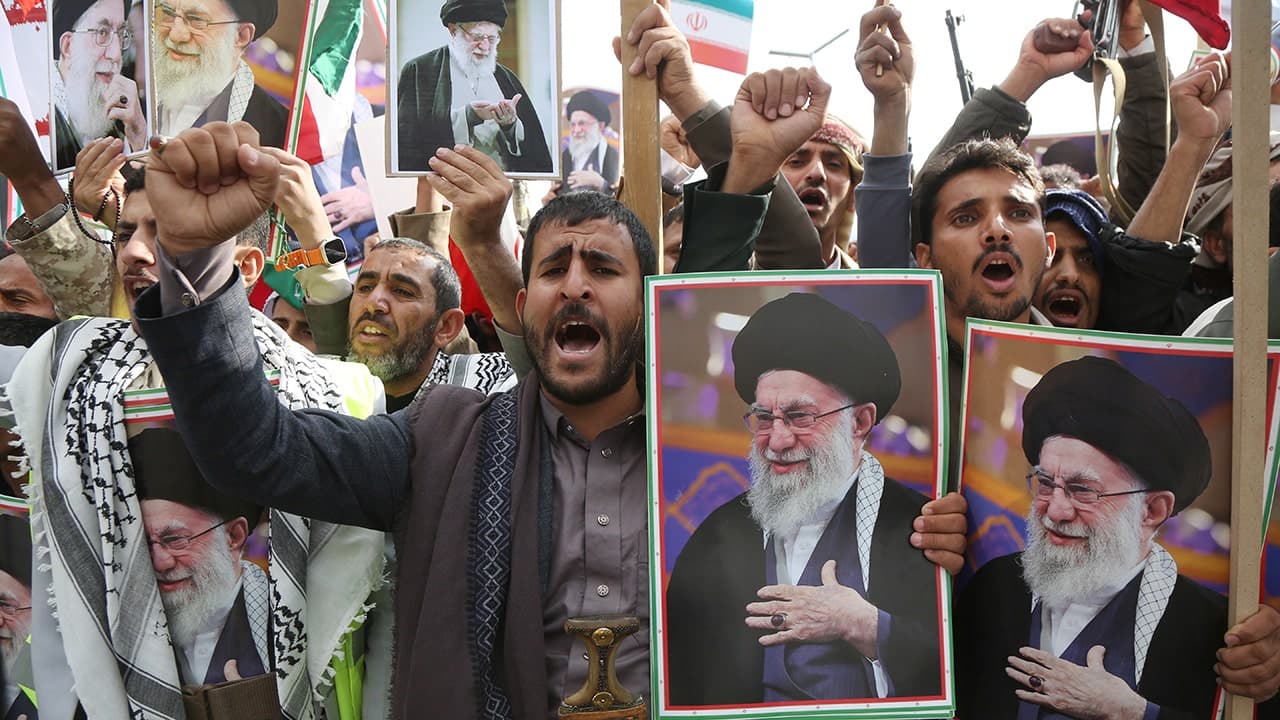
Other analyses point to specific fears of leadership 'decapitation' after Israeli strikes killed senior Houthi figures.
Experts say that this fear, combined with the risk of decisive U.S. or Israeli retaliation, has driven an avoidance of direct, large-scale strikes so far.
Houthi capabilities and posture
Despite restraint, multiple sources underscore that the Houthis retain meaningful missile and drone capabilities and a record of regional activity that gives their threats credibility.
“I don’t see the article text — only a header/footer line (“All rights reserved”
Reporting notes the group retains some missile/drone capability and was active in earlier campaigns targeting Red Sea shipping and Israel, while analysts say they retain capability to attack but are avoiding direct involvement to minimize the risk of decisive U.S. or Israeli retaliation.
Experts called the Houthis the last line of resistance for Iran-aligned actors, underlining both capability and strategic purpose.
Houthi escalation triggers
Sources outline clear escalation triggers and scenarios that could rapidly change Houthi behavior: direct attacks on Houthi positions, a widened anti‑Houthi offensive inside Yemen, or an explicit Iranian request could prompt a 'phased escalation.'
Commentators warn the movement could move from rhetoric to action quickly if regional conditions shift.
Reporting repeatedly stresses the Houthis are 'monitoring developments' and could 'change course quickly depending on regional developments and Iran’s situation.'
Regional reactions to Houthis
Regional reactions are cautious and closely watched: Israeli and other observers have expressed surprise at the Houthis’ relative restraint so far, while residents in Houthi areas and several Arab capitals are watching closely for any widening of the conflict.
“The Iran-backed Houthi terrorist movement has yet to enter the conflict on Iran's side but in recent days has been ratcheting up its rhetoric in support of Tehran, with its leader, Abdul Malik al-Houthi, declaring that it was prepared to enter the war against the U”
Some reporting suggests the movement is simultaneously pursuing a pragmatic diplomatic posture—"seeking talks with Saudi Arabia"—even as it amplifies hostile slogans and rhetoric that include its official chant referencing "Death to America."
Key Takeaways
- Houthis have not entered the wider conflict but remain a potential participant.
- Houthi rhetoric has escalated, increasing regional escalation risk.
- Houthis could join fighting against Israel if directly drawn into the conflict.
More on Yemen
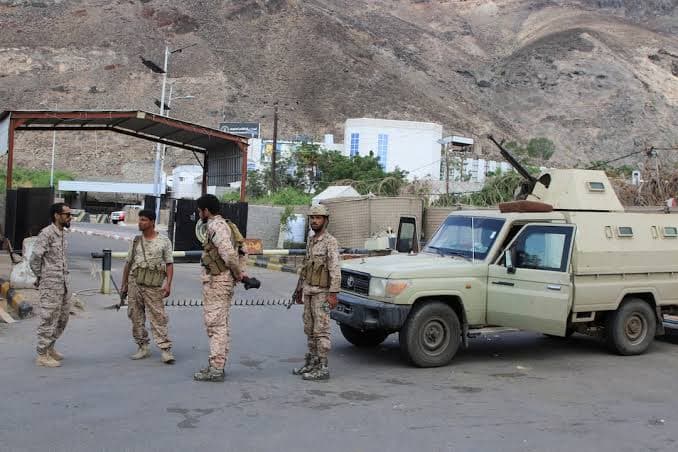
UAE Evacuates Yemeni Separatist Leader Aidarous al-Zubaidi by Boat, Saudi Coalition Alleges
16 sources compared

Southern Transitional Council Declares Disputed Dissolution in Riyadh
10 sources compared

Saudi-Led Coalition Launches Airstrikes on Al-Dhale Province Targeting Southern Transitional Council Leader Aidaros Alzubidi
30 sources compared
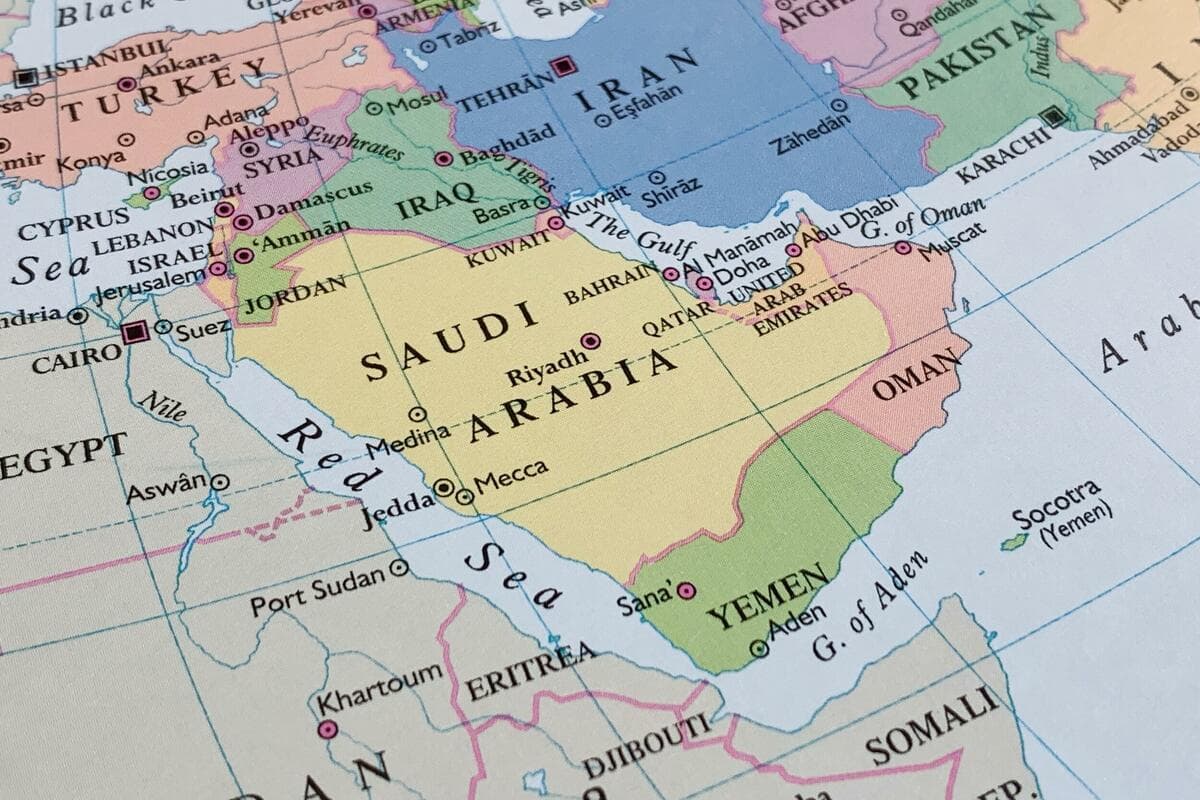
Saudi-Backed Yemeni Forces Reclaim Hadhramaut Military Camps From UAE-Backed Southern Transitional Council
22 sources compared