Yemenupdated 2h ago3 min read
Houthis Attacks Press Mohammed bin Salman and Trump Over Yemen Demands and U.S. Blockade
This article is an automated aggregation of coverage from news outlets. Our editorials offer in-depth analysis curated by the NewsCord team.
Saudi-led coalition strikes oil facility near Sanaa; evacuation ordered around Al-Sabah. Houthis retaliate by firing on Riyadh and targeting Aramco installations.

12 outlets told this the same way.
Pressure, ports, and strikes
The Reuters analysis said Houthi group attacks on Saudi Arabia aim to press Crown Prince Mohammed bin Salman to meet demands in Yemen and to persuade U.S. President Donald Trump to ease the American blockade choking the Iranian economy.
The Reuters analysis quoted Michael Nates of Horizon Integrated saying, “The Iranians are in a bind,” and adding that Tehran and the Houthis, unable to force Washington to change its stance directly, “launch strong strikes against Saudi Arabia... targeting a vulnerability,” exploiting the kingdom’s sensitivity to economic repercussions.
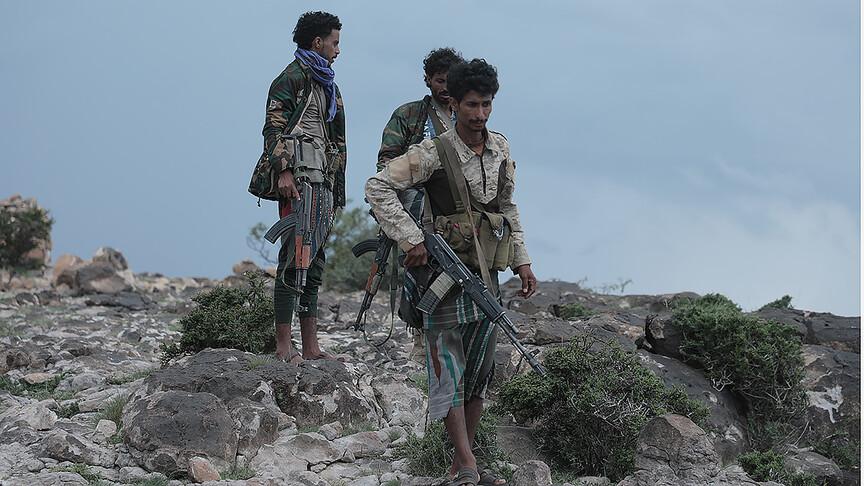
The Reuters analysis said Saudi sources and regional sources familiar with the Saudi approach described Houthi demands to end Saudi military operations, lift restrictions on Yemeni ports and airports, allow regular flights to Iran, resume paying salaries, pay compensation for the war, and stop Riyadh’s support for the internationally recognized Yemeni government.
The Reuters analysis said Mohammed Abdul-Salam, spokesperson for the Houthis, denied that the group acts on Iran’s instructions and said their demands revolve around long-standing humanitarian issues involving Saudi Arabia, including lifting restrictions on Yemeni ports and airports, easing economic constraints, and paying civil servants’ salaries from Yemen’s own resources.
The Reuters analysis also described a broader strategy in which an Iranian official said the Houthis’ attacks target energy infrastructure and major navigation routes, and said Riyadh can no longer rely on American protection and must instead pursue negotiation.
Evacuation before operation
The coalition led by Saudi Arabia said it would “soon” warn civilians in Sanaa to evacuate part of the Yemeni capital, controlled by the Houthis, in preparation for an operation. Major General Turki al-Maliki wrote on X, “We will shortly issue a warning to civilians to evacuate a site in Sanaa in order to carry out a special operation,” and the Houthis pledged a “severe” response targeting the Saudi capital if attacks continued on Sanaa. Yahya Saree wrote on X that “any attack against the capital, Sanaa, will trigger a severe and painful response in the capital of the Saudi enemy,” as the coalition’s warning focused on a site in Sanaa.
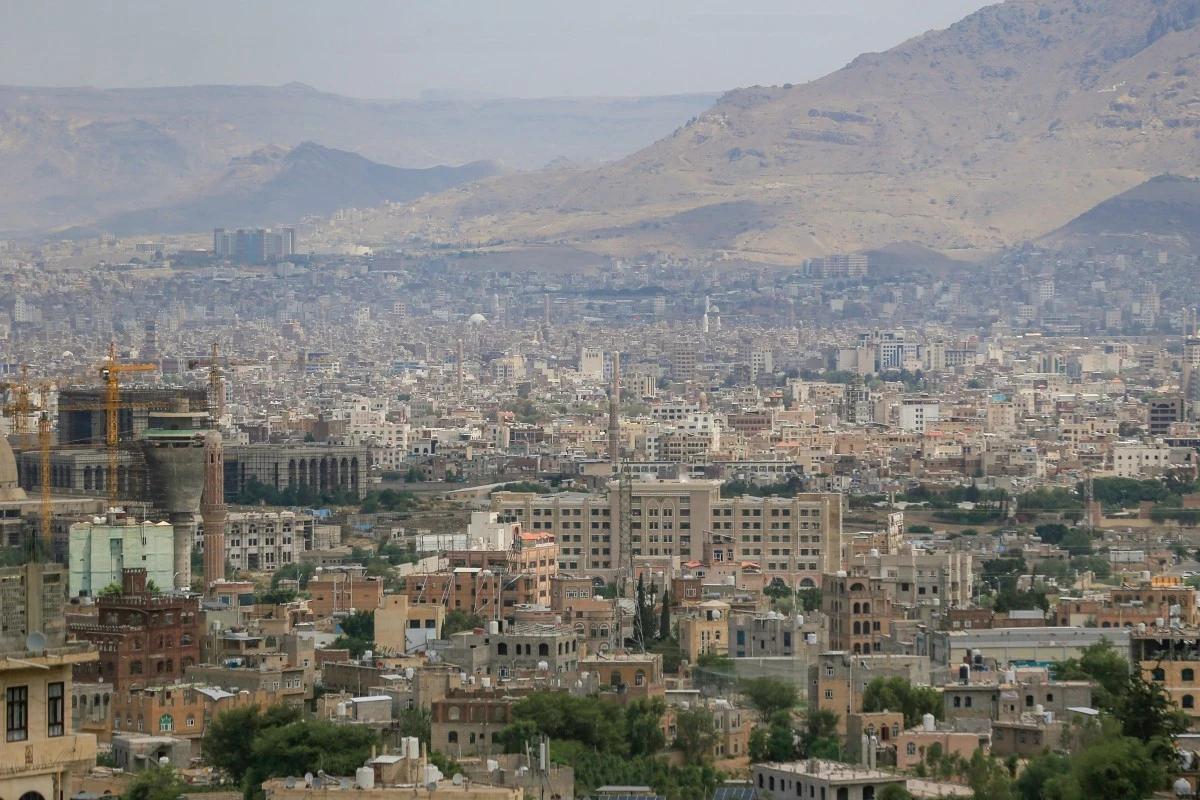
The Reuters report said the coalition called on Tuesday for civilians to evacuate the area around the Al-Sabah central station, a oil facility located in Sana'a, in anticipation of a military operation. The Reuters report said the Houthis’ television channel, Al-Masirah, subsequently reported an attack on the central station, which belongs to the Yemeni Oil Company, and Yahya Saree said on X that any attack on Sana'a would trigger a “severe and painful” response against Riyadh.
Oil sites, missiles, and escalation
Saudi Arabia claimed strikes in Yemen against oil facilities in Sanaa, the capital held by the Houthis, and against other infrastructures in the Saada and Dhamar provinces, and it said it intercepted and destroyed several drones and ballistic missiles.
“They have reached a point where there is no room for negotiation.”
France 24 reported that the Houthis warned that any attack on Sanaa “will trigger a severe and painful response” against the “Saudi enemy,” and said they intended to hit a refinery and the Riyadh International Airport, as well as offices of oil giant Aramco, while calling on civilians to “move away” from these targets.
France 24 said Saudi authorities reported four people, “two women, a man, and a child,” injured by missile debris in the capital, and said an Aramco administrative site had been hit in Dharhan by an attack that caused a limited fire without casualties.
The Reuters analysis said the Houthis’ campaign targets infrastructure and disrupts investment activities that form the backbone of the kingdom’s economic ambitions, and said the longer the conflict lasts the greater the risk to Saudi security and to investor confidence and Vision 2030.
The Reuters analysis said Aziz bin Saker, head of the Gulf Research Center in Saudi Arabia, told Reuters that Saudi leaders now see military pressure as the only viable option, adding, “They have reached a point where there is no room for negotiation. They have no choice but to act militarily.”