Yemenupdated 2h ago2 min read
Houthis Expand Missile Production Using Chinese Parts, Report Warns Supply-Chain Gaps
This article is an automated aggregation of coverage from news outlets. Our editorials offer in-depth analysis curated by the NewsCord team.
Houthis seek Chinese-made components to build advanced ballistic missiles with ~2,000 km range. Plan to replicate Iran’s Kheibar Shekan missile using Chinese parts.
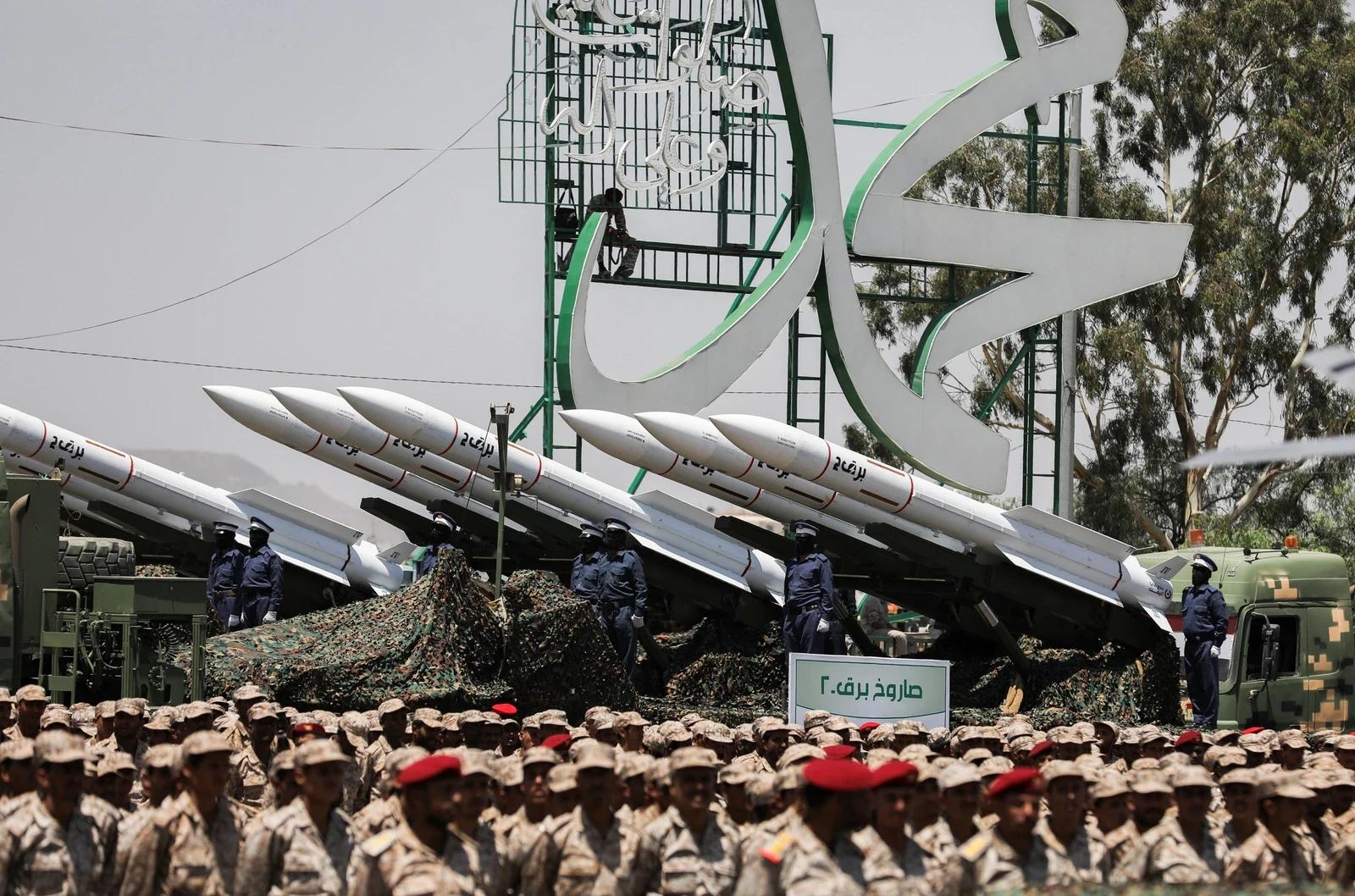
Chinese components, Houthi missiles
A report discussed by Arab News said Wolf-Christian Paes, a former member of the UN Panel of Experts on Yemen, traced how missiles used by the Houthis to attack Saudi Arabia draw on a global supply chain, with components exported legally to China and then reexported and smuggled into Yemen. Arab News reported that Paes cautioned that blocking supplies from Iran alone might not end the threat because the Houthis continue to expand their own production. The Houthis are seeking to produce advanced medium-range ballistic missiles on its own using Chinese-made components, with a range of about 2,000 kilometers.
Conflict Armament Research found the Houthis attempting to build their own version of Iran’s Kheibar Shekan using components sourced from China, and it described the weapon as roughly 1,200 miles in range. Yemeni authorities intercepted two shipments last year containing components needed to build a missile modelled on Iran’s Kheibar Shekan, with the cargo including custom-made metal parts for missile motors and airframes.
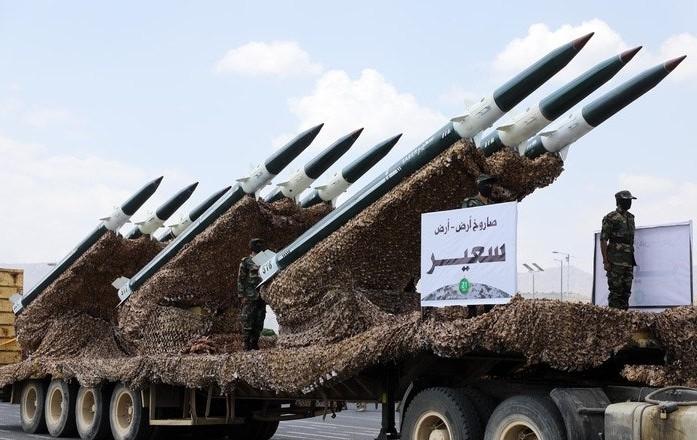
Riyadh airport strikes
The Arab News report said at least 17 people have died and more than 330 have been injured in 20 attacks by the Houthis on King Khalid International Airport in Riyadh since the beginning of October, as the Coalition to Restore Legitimacy in Yemen reported on Thursday. The SOFX Report said the finding followed a week of Houthi strikes on Riyadh’s airport that killed at least 13 people, and it described the October strike as the deadliest assault on the kingdom since May 2015. Henry Thompson warned that medium-range ballistic missiles could allow the group to strike deeper into Saudi Arabia with larger payloads than cruise missiles and drones.
Henry Thompson warned there was evidence the Houthis had been importing solid-fuel ballistic missile components from China for at least two years. The Arab News report said Paes described how the Houthis moved from using missiles smuggled from Iran to developing longer-range ballistic missiles with very little Iranian content.
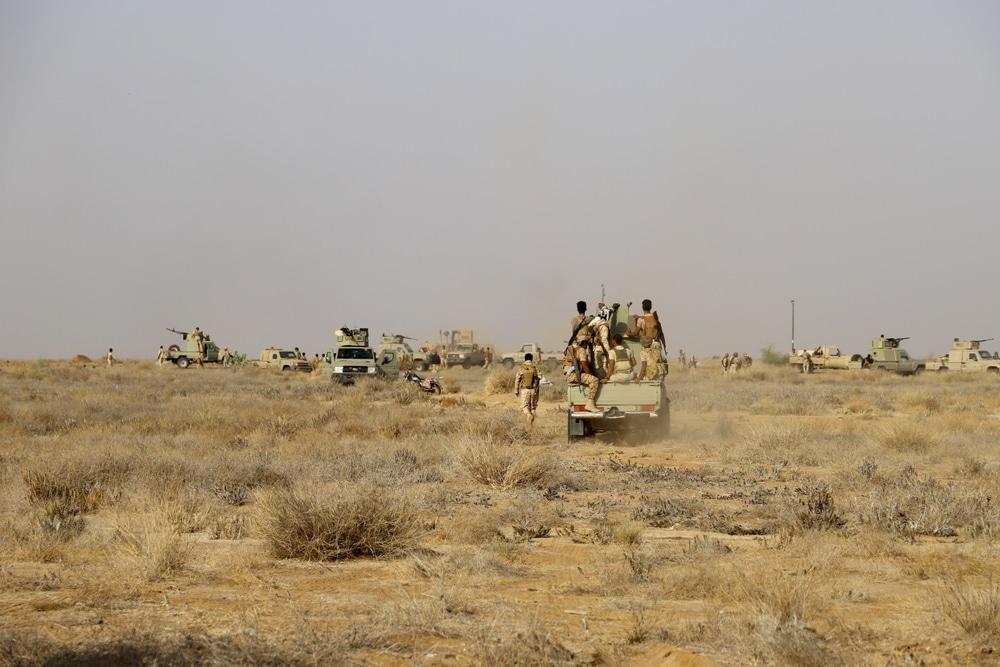
Export controls and next risks
Arab News said Paes argued that gaps in international export controls allow essential components for missiles to fall into the hands of the Houthis, as he described the Houthis’ technical know-how developing rapidly in the past decade. The Arab News report quoted Paes saying, "Dual use is a problematic category," and it described how the control list excludes many potentially dual-use items with peaceful applications that can still be vital components in missiles. Bloomberg’s September 23 investigation examined four shipping containers seized at Yemen’s southern port of Aden, with cargo shipped from China and bound for Hodeidah, a Red Sea port controlled by the Houthis.
Aden authorities told Bloomberg that changes to the Yemeni importer named in shipping documents were intended to conceal Houthi-linked companies behind the shipments. A medium-range missile lets the group reach deep into Saudi Arabia with a larger payload than its cruise missiles and drones carry, making it a more potent threat.