Yemen
Houthis Launch Missile And Drone Attacks In Marib And Hadramout, Killing Yemenis

At a glance
- Houthi missiles and drones struck government military camps in Marib and Hadramout, killing at least 30 soldiers.
- Attacks marked a major escalation in Yemen's conflict, targeting pro-Saudi forces across central provinces.
- The strikes were described as retaliation and signal escalation amid ongoing confrontation with pro-Saudi authorities.
Marib strikes and casualties
Houthis launched multiple missile and drone attacks on Saudi-backed forces and civilian areas in Marib, Yemen, killing two people and injuring 14 others, according to Yemen's SABA news agency and Yemen's state television.
The strikes targeted the Sahn al-Jinn camp and also hit displacement camps and residential areas, while Yemen's air defenses intercepted several drones to prevent further casualties.
Across the sources
Devdiscourse minimises casualties while Saudi Gazette and BBC report far higher death tolls.
strikes resulted in the deaths of two individuals and injuries to 14 others.Read the original ↗
As many as 58 members of the Yemeni government forces were killed and dozens woundedRead the original ↗
Read the source excerpts alongside the original reporting.
In a separate account of the same Thursday attacks, Al Jazeera said Houthi missiles and drones struck military locations inside Yemen and left at least 30 government soldiers dead and 15 others injured in Hadramout and Marib.
The BBC reported that Yemen's defence ministry said ballistic missiles and drones struck several camps in the provinces of Marib and Hadramawt, resulting in the death and injury of a number of Yemeni personnel, with the ministry not giving an exact toll.
Competing claims and voices
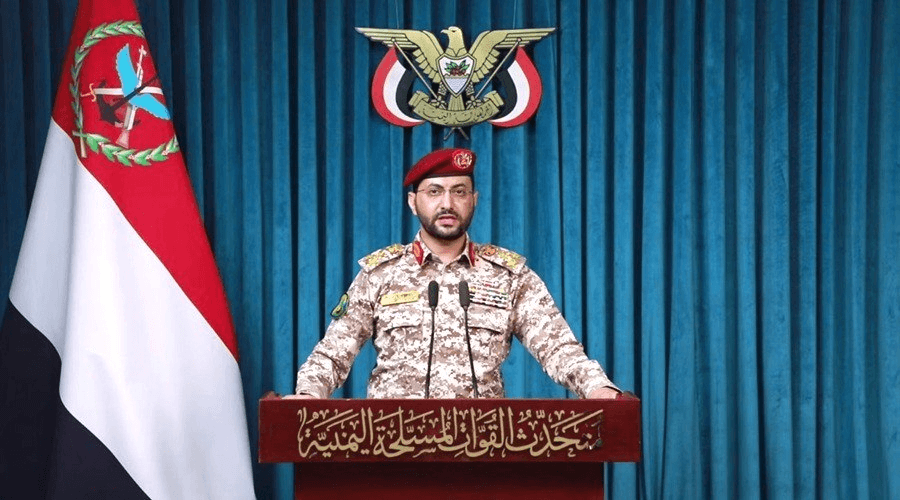
Yahya Saree, the Houthi military spokesperson, claimed in a broadcast statement that the attacks killed “hundreds” and “destroyed a large number of camps and depots,” and he alleged the strikes were launched after Houthi forces “detected a massive Saudi military mobilisation”.
Al Jazeera also quoted Abdul Rahman Saleh, 34, living in Sanaa, saying, “It is no longer a potential threat. It has become a reality.”
The BBC said the defence ministry denounced the attacks as "treacherous" and vowed to "respond to this aggression at an appropriate time and place".
In the same BBC report, the Saudi-led coalition spokesperson said that 11 civilians had been wounded in Najran, with the statement shared to X saying the wounded included seven Saudi nationals, including a woman and a four-year-old child who both suffered second-degree burns.
Escalation risks and next moves
The BBC reported that the Houthis announced a "maritime embargo" against Saudi Arabia on 20 July and began launching missile and drone attacks on Saudi airports, oil facilities and tankers in the Red Sea, while Saudi Arabia responded with strikes targeting Houthi positions and by forming a new naval coalition.
Deputy UN spokesperson Farhan Haq told reporters to "exercise restraint and refrain from actions that could lead to further military escalation," warning that "Renewed fighting risks reversing the hard-won gains made towards reducing violence in the past years," according to the BBC.
Saudi Arabia’s coalition spokesman Major General Turki Al-Malki said the Houthis carried out “indiscriminate shelling in flagrant violation of all customary norms and the international humanitarian law, deliberately targeting of civilians and civilian infrastructure,” and warned that the Joint Forces Command of the Coalition would continue deterrent measures.
In a separate statement carried by Al-Manar TV Lebanon, the Yemeni Armed Forces said they would continue to confront escalation with escalation and that they would “targeting Saudi hostile military buildups wherever they may be,” while advising those “deceived among our country’s sons to leave the Saudi enemy’s camps” before it is “too late.”
Explore the original reporting
Compare all 10 sources
How each outlet frames it
Every outlet we compared, the headline it ran, and a link to the original article.
West Asian
Houthi attacks on gov’t forces hint that a major battle in Yemen is brewing
07 August, 2026
Yemeni Armed Forces Announce New Strikes on Pro-Saudi Military Camp, Affirm Siege-for-Siege and Escalation-for-Escalation Formulas
08 August, 2026
Houthi attacks kill at least 58 Yemeni government troops
07 August, 2026
Dozens of Yemeni government troops killed in deadliest Houthi strike in years
07 August, 2026
Sama Aden News / How did al-Mikhlafi and bin Shubaiba comment on the escalation by the Houthi militia and its shelling of Ma’rib and Hadhramaut?
07 August, 2026
Western Mainstream
Asian
Escalation in Marib: Houthis' Missile and Drone Strikes Shake Yemen
07 August, 2026
Other
Houthi Attacks Lead to Military Casualties in Yemen
07 August, 2026
TEXT_2 TRANSLATION: Houthis Yemen attack: drones and missiles against pro-Saudí forces after four years of calm
07 August, 2026
Western Alternative
Today's Headlines: Netanyahu: 'I Am Determined' | Iran Confirms Agreement with Oman | Why Tell Matters
07 August, 2026
Read stored source text: Al Jazeera
Sanaa, Yemen – Houthi missiles and drones struck military locations inside Yemen on Thursday, leaving at least 30 government soldiers dead and 15 others injured in the first such attack in years. Targeting government military camps and gatherings in Hadramout and Marib, the attacks marked a major escalation in the war between the Houthis and the government. Yahya Saree, the Houthi military spokesperson, claimed in a broadcast statement that the attacks killed “hundreds” and “destroyed a large number of camps and depots”. He alleged that the strikes were launched after Houthi forces “detected a massive Saudi military mobilisation” with the aim of an escalation. The two sides have been at war since the Houthis and their allies captured the capital, Sanaa, in September 2014, with a Saudi-led coalition intervening in March 2015 on the side of the government. Fierce fighting has subsided in recent years, but there has been a consolidation of government and some southern forces since the United Arab Emirates left Yemen in 2025. The Houthis’ gradual engagement in the regional war between the US and Israel against Iran, the group’s key ally, included an announcement of a naval blockade on Saudi ports and attacks in the Bab al-Mandeb Strait last month. The Houthis are now on high alert for any military developments, Saree said, as pro-government forces appear to be preparing to retaliate for Thursday’s attacks and the renewal of Yemen’s largely dormant war. Neither peace nor war The strikes on government forces in Marib and Hadramout mark a turning point in Yemen’s conflict, with analysts telling Al Jazeera that Yemen appears to be edging closer to a wider conflict. Abdul Rahman Saleh, 34, who lives in Sanaa, said the war has now become tangible to the people living in Yemen. “It is no longer a potential threat. It has become a reality. We have repeatedly heard explosions over the past days in Sanaa. We watch the figures of deaths and injuries on the news. Parties boast of their deadly attacks on their media outlets,” he told Al Jazeera. “It reminds us of the pre-2022 truce. Each party is hungry for revenge. As a civilian, I feel it would take a miracle to stop this war now.” Fuad Mussed, a Yemeni researcher focusing on political and military affairs, believes the recent Houthi attacks on government military camps are proof that the Houthi group has taken a final decision on entering an open confrontation with its opponents. “The Houthis’ message is clear: opting for escalation both inside Yemen and beyond,” Mussed told Al Jazeera. “As they expand their attacks internally, they continue targeting ships in the Red Sea and sites in Saudi Arabia. So, it can be said that the state of neither peace nor war has ended.” Although the war in Yemen has largely halted since April 2022, when the rival sides reached a United Nations-sponsored truce, both sides have expressed a desire for a decisive military battle in recent months. Ahmed Nagi, a senior analyst at the International Crisis Group, said that the Houthis’ expansion of cross-border attacks on government forces means the threat of all-out war between the two sides is no longer far-fetched. “Although there is still a chance for both sides to return to a policy of containment, the problem is that each new escalatory move makes that much more difficult. If this pattern continues and the Houthis increase their attacks, then the risk of a new round of war increases significantly,” Nagi told Al Jazeera. “Based on what we are seeing today, the indicators pointing toward renewed conflict are stronger than those pointing toward de-escalation.” ‘War is a priority’ Sheikh Othman Majali, a member of the Saudi-backed Presidential Leadership Council, said there can be no prospect of peace, security, stability, development, coexistence or national partnership as long as the project of “the terrorist Houthi militia” continues to threaten Yemen and the region. “This can only be achieved by confronting and toppling the militia, and by halting the harm and evil it inflicts upon our people and our region,” Majali told the government-run Yemen TV channel. Any talk about peace in Yemen is irrelevant today, said Saddam Al-Huraibi, a Yemeni political commentator, and the Houthis’ attack on government soldiers on Thursday is “an explicit message that war is a priority” for the group. “Yemenis have been waiting for the Houthis and the Yemeni government to reach a peace deal or implement a peace roadmap for years. Now the Houthis have opened a real war, which shatters all peace prospects,” he told Al Jazeera. “They have used the years-long peace talks to accumulate and create weapons nonstop. This has made them prepared for confronting local adversaries and capable of launching attacks as far as Israel and Saudi Arabia. It is not easy to persuade them to abandon the path to war.” Al-Huraibi said he believes that both the international community and Saudi Arabia have given the Houthis too much time to agree to peace proposals. Houthi officials say the presence of any Saudi-linked Yemeni militias or military units outside the Sanaa authorities’ control is intolerable. A lack of response by the Yemeni government and Saudi Arabia following recent Houthi escalations could be interpreted as a sign of weakness, he said. “Counting silence on Houthi attacks against Yemeni forces or Saudi facilities as strategic patience is nonsense. If this stance continues, it points to the powerlessness of the Yemeni government and Saudi Arabia, and this will rob them of popular trust,” Al-Huraibi argued. The Marib battle Marib is once again emerging as the focal point of the conflict with fatal clashes breaking out on the front lines there in recent days. Today, control of the north-central province could be a life-and-death battle for the Houthis, Adel Dashela, a researcher at Sanaa Center for Strategic Studies, told Al Jazeera. “Based on today’s escalation and the attacks on government camps in Hadramout and Marib, it is evident that the Houthi group is heading toward a major military escalation targeting the oil and gas regions in Marib,” Dashela said. “All indications suggest that a ground war between government forces and the Houthi group is imminent, barring a breakthrough in the crisis—a scenario that appears unlikely at present.” The Houthi group said in a statement on Thursday that it would not “tolerate” any Saudi military presence inside Yemen’s borders and that it has a “legitimate right to confront any hostile moves that threaten its sovereignty and security”. The Houthis may hold an advantage in missile capabilities, said Dashela, but the magnitude of violence would be tremendous if a major war with the government erupts. “A full-scale eruption across all battlefronts would make it difficult for the group to contend with government forces. Consequently, should such a war break out, it would not resemble previous conflicts; rather, it would be far bloodier,” Dashela said. Room for restraint narrows As the Houthis ready themselves for war, Saudi Arabia and the Yemeni government have prioritised de-escalation over a military response, despite some calibrated attacks against the group. “Saudi Arabia and the Yemeni government still appear committed to a policy of containment, and it is possible they are testing this political approach to its limits,” Nagi said. “The question is how long they can sustain that strategy. That remains unclear, especially as they continue to strengthen their position by building alliances and reinforcing military units along the front lines.” Should the current pattern of escalation continue, the pressure on both Saudi Arabia and the Yemeni government to respond more forcefully will grow, Nagi added. “Whether that means limited military action or a broader shift in strategy remains to be seen, but the room for continued restraint is becoming narrow.”
Read stored source text: Al-Manar TV Lebanon
The spokesman for the Yemeni Armed Forces issued on Friday a statement to announce new strikes on a pro-Saudi military camp, reiterating consecration of siege-for-siege and escalation-for-escalation formulas. A large number of missiles and drones targeted troop concentrations, along with their depots, military vehicles, and equipment at the Sahn Al-Jinn Camp, the statement added. What follows is the full text of the statement: In the Name of Allah, the Most Gracious, the Most Merciful {So there is to be no aggression except against the wrongdoers.} Allah Almighty is Truthful In continued pursuit of the siege imposed on our people and an escalation of the aggression against our country, the Saudi enemy continues to mobilize its forces, incite its proxies, and push them toward a futile and doomed war of aggression. Accordingly, following precise surveillance of the movements of its forces and mercenaries, these troop concentrations, along with their depots, military vehicles, and equipment at the Sahn Al-Jinn Camp, were targeted with a large number of missiles and drones. By the grace of Allah, the strikes were precise and qualitative. The Yemeni Armed Forces affirm that they will continue to confront escalation with escalation. They stress that any troop buildup or force deployed by the Saudi enemy to maintain the siege on our country will be struck with force. The Armed Forces also reaffirm their commitment to the equations of “siege for siege” and “targeting Saudi hostile military buildups wherever they may be.” They will not allow aggressive plots against our country to pass without an immediate and severe response. We renew our advice to those deceived among our country’s sons to leave the Saudi enemy’s camps and return to their areas before it is too late. We urge them to save themselves and not become fuel for treacherous parties that have mortgaged their fate to foreign powers and exploit their lives in pursuit of expansionist occupation projects at the expense of the security, sovereignty, and independence of the Republic of Yemen. We salute the proud tribes of Ma’rib and all honorable free men for standing alongside their people against occupation and foreign domination. We reaffirm that we stand with them in securing our people’s legitimate rights and lifting the siege imposed upon them. Allah is Sufficient for us, and He is the Best Disposer of Affairs. The Best Protector and the Best Supporter. Long live Yemen—free, dignified, and independent. Victory belongs to Yemen and to all the free people of the Ummah. Source: Al-Manar English Website
Read stored source text: BBC
- Published At least 30 Yemeni government troops have reportedly been killed in Houthi rebel attacks on military camps in central Yemen. The defence ministry said ballistic missiles and drones struck several camps in the provinces of Marib and Hadramawt, resulting in the death and injury of a number of Yemeni personnel. It did not give an exact toll. The ministry denounced the attacks as "treacherous" and vowed to "respond to this aggression at an appropriate time and place". The Houthis, who control much of north-western Yemen and are backed by Iran, said they had targeted "large Saudi military build-ups" preparing for an offensive. A Saudi-led coalition has supported the government during the civil war. In a separate attack, the coalition's spokesperson said that 11 civilians had been wounded in the Saudi Arabian border region of Najran, in what they described as a Houthi strike. In their statement, shared to X, they said the wounded included seven Saudi nationals, including a woman and a four-year-old child who both suffered second-degree burns. The other four civilians were from Yemen, Pakistan and Egypt. The Houthi attacks in central Yemen happened at 10:40 local time (07:40 GMT) on Thursday, according to Yemen's defence ministry. A military official told AFP news agency that missiles and drones hit a camp in the al-Ruwaik area of Marib province, as well as camps in the al-Abr and al-Wadiah areas of Hadramawt, near the border with Saudi Arabia. At least 30 have died but the exact death toll was has not been verified. AFP cited a military source as saying at least 58 Yemeni troops had been killed, an increase from the 38 dead it had previously reported. Military sources have told the pro-government newspaper Aden al-Ghad and the anti-Houthi Belqees TV website that more than 40 troops were killed. Houthi military spokesman Yahia Sarea claimed the attacks caused the death and injury of "hundreds of Saudi enemy mercenaries", and destroyed a large number of buildings, weapons and military vehicles at camps in the al-Ruwaik, al-Abr and al-Thaniyah areas. He said the camps belonged to the Saudi-backed Yemeni Emergency Forces and that the Houthis had observed "large Saudi military build-ups in their final stages, aimed at escalating the aggression against the liberated provinces and the Yemeni people". Deputy UN spokesperson Farhan Haq called on all parties to "exercise restraint and refrain from actions that could lead to further military escalation". "Renewed fighting risks reversing the hard-won gains made towards reducing violence in the past years," he told reporters. The US mission to Yemen said the Houthis' attacks were "cowardly" and another example of what it called "their terrorism against the Yemeni people". Yemen has been devastated by a civil war that began in 2014, when the Houthis ousted the government from Sanaa, the capital. The conflict escalated in 2015, after the Saudi-led coalition of Arab states intervened in an attempt to restore the government's rule. The fighting has reportedly left more than 150,000 people dead and triggered one of the world's worst humanitarian crises, with more than 22 million people in need of some form of aid, according to the UN. A UN-brokered ceasefire has largely held since 2022, but there has been a significant escalation in recent weeks. The Houthis announced a "maritime embargo" against Saudi Arabia on 20 July and began launching missile and drone attacks on Saudi airports, oil facilities and tankers in the Red Sea. The group said it was retaliating for a Saudi blockade of ports and airports in the territory they control, as well as an air strike on Sanaa airport that they blamed on the kingdom despite a claim from the Yemeni government. Saudi Arabia has responded with strikes targeting Houthi positions and by forming a new naval coalition to protect shipping in the Red Sea and the Gulf of Aden. On Thursday, representatives of 43 countries attended the coalition's founding meeting, where the new commander stressed it was "purely defensive in nature and does not target any country, organisation or coalition", Saudi state media reported.
Read stored source text: Devdiscourse
✕ Home News Analysis Agro-Forestry Art & Culture Technology Economy & Business Education Energy & Extractives Politics Law & Governance Health Science & Environment Social & Gender Sports Transport Urban Development WASH Research LogIn/SignUp Close the sidebar Escalation in Marib: Houthis' Missile and Drone Strikes Shake Yemen The Iranian-aligned Houthis have launched multiple missile and drone attacks on Saudi-backed forces and civilian areas in Marib, Yemen. The strikes resulted in the deaths of two individuals and injuries to 14 others. Yemen's air defenses successfully intercepted some of the drones, preventing further casualties. Politics Devdiscourse News Desk | Yemen Updated: 07-08-2026 22:50 IST | Created: 07-08-2026 22:50 IST !Escalation in Marib: Houthis' Missile and Drone Strikes Shake Yemen The conflict in Yemen has taken another dangerous turn as the Iranian-aligned Houthi rebels launched a series of missile and drone attacks on Friday, targeting the Sahn al-Jinn camp and more. Yemen's state television confirmed that their air defenses managed to intercept several drones launched by the Houthis over Marib, a key point east of Sanaa. However, the situation remains dire as missiles and drones also struck displacement camps and residential areas, tragically killing two people and injuring 14 more, as per Yemen's SABA news agency. (With inputs from agencies.) READ MORE ON air defences drones ballistic attacks casualties Houthis Saudi-backed Yemen missiles Sahn al-Jinn Marib READ MORE {{title}} Trump Administration Pledges $1 Billion in Security Aid to Colombia Taiwan War Games: Coastal Drill Simulates Defense against Chinese Assault Devastating Strikes Near Kyiv: Tragedy in Boryspil New Colombian President Abelardo De La Espriella Vows Economic Reform and Security Crackdown US Domestic News Roundup: Trump's Nominees, Birthright Citizenship, and Mineral Investments Next Article {{title}} {{subtitle}} {{subtitle}} {{/subtitle}}{{sector}} {{sector}} {{/sector}} {{source}}{{source}} {{/source}}{{isBlog}} {{/isBlog}}{{sourceUrl}} |{{sourceUrl}} {{/sourceUrl}}{{country}} |{{country}} {{/country}} Updated:{{modifiedOnString}}IST | Created:{{publishedOnString}}IST {{imageCopyright}} {{{description}}}{{disclaimer}} {{disclaimer}} {{/disclaimer}} {{tags}} READ MORE ON {{{tagArray}}} {{/tags}} PERSPECTIVES AND INSIGHTS {{authorImage}} {{author}} {{title}} LATEST NEWS {{country}} {{country}} {{/country}}{{^country}} Global {{/country}} {{title}} VIDEOS {{^defaultImage}} ► {{/defaultImage}} {{title}} View All HOME ABOUT CAREER ADVERTISEMENT PARTNERS CONTACT US Sectors Agro-Forestry Art & Culture Technology Economy & Business Education Energy & Extractives Politics Law & Governance Health Science & Environment Social & Gender Sports Transport Urban Development WASH Editions Pacific South Asia East and South East Asia Europe and Central Asia Central Africa East Africa Southern Africa West Africa Middle East and North Africa North America Latin America and Caribbean Disclaimer Terms of use Privacy Policy © Copyright 2026
Read stored source text: Hürriyet Daily News
Houthi supporters chant slogans during a rally against the Saudi-led coalition in Sanaa, Yemen, Friday, July 31, 2026. (AP Photo/Osamah Abdulrahman) Yemen’s Iran-backed Houthis have killed over 60 government troops in missile and drone attacks, military sources said on Aug. 7, in one of the deadliest days of the country’s civil war in four years. The attacks come as Yemen is increasingly drawn into the U.S.-Israeli war with Iran, with the rebels stepping up attacks against both government forces and neighbouring Saudi Arabia, a key U.S. ally and supporter of the internationally recognised Yemeni government. Houthi military spokesman Yahya Saree said the rebels attacked government positions with ballistic missiles and drones in response to an alleged military buildup backed by neighbouring Saudi Arabia. The attacks killed at least 58 government troops and injured dozens on Aug. 6, according to the military source who spoke on condition of anonymity. Medical sources had earlier spoken of 38 dead. A military official, who spoke on condition of anonymity, said the Aug. 6 attacks on troop camps were the worst in Yemen since 2022. Another drone strike on Yemen’s Marib province killed three members of government forces on Aug. 7, a Yemeni source said, as the rebels escalate strikes on the key oil-rich province a day after their deadliest attack in years. Yemen’s Defense Ministry said in a statement that its armed forces would respond to the attacks “at the appropriate place and time.” The escalation spilled across the border on Aug. 6, with Saudi officials saying Houthi attacks wounded 11 civilians in the southern Najran region. Coalition spokesman Major General Turki al-Malki said the wounded included seven Saudis, a Yemeni, two Egyptians and a Pakistani, according to a statement carried in the official Saudi Press Agency. Saudi Arabia has led a military coalition backing Yemen’s government against the Houthis since 2015. Al-Malki accused the rebels of carrying out “indiscriminate shelling against civilian objects” and said coalition forces would continue taking measures to protect civilians. The rebels have ramped up the provocations against their Saudi foes since last month, adding to the regional chaos since the U.S.-Iran war erupted on Feb. 28. One missile attack hit troops during their morning formation at the camp in Marib, “killing and wounding at least 45 personnel,” said a military source, who declined to be named for security reasons. Saree named Al-Ruwaik, al-Thaniyah and al-Abr as being among the areas hit, warning the rebels were “prepared to confront any escalation.” Yemen, which has been embroiled in more than a decade of war, became sucked into the Middle East war last month as the Tehran-backed Houthi rebels upended a 2022 truce with the Saudi-backed government.
Read stored source text: India News Network
Yemen's ongoing civil war has escalated dramatically following a series of missile attacks by Houthi forces, resulting in the deaths of at least 30 government soldiers and injuries to 15 others. The assaults, which targeted military camps in the Hadramout and Marib governorates, represent the most severe military confrontation in recent years. The strikes occurred on Thursday and primarily affected facilities operated by Yemen's Emergency Forces and Homeland Shield Forces, among others. According to government sources, eight missiles were launched from the al-Jawf region, aimed at various military sites including al-Thiniya and al-Abr in Hadramout, as well as al-Rouk in Marib. Yahya Saree, the Houthi military spokesman, stated that the attacks resulted in âhundredsâ of casualties, while Yemeni military sources mentioned that these figures are likely to rise as further details come to light. The attacks, which were carried out at approximately 2 pm local time, took place when troops were gathered for a training exercise, heightening the impact and resultant casualties. Fighting has intensified recently, marking a stark increase in hostilities after a period of relative calm that lasted approximately four years. In a separate incident, a spokesperson for the Saudi-led coalition reported that Houthi rocket fire in Najran, a city in Saudi Arabia near the Yemen border, injured 11 civilians, including a child and a woman. The spokesman, Turki al-Maliki, condemned the attack as a violation of international humanitarian law. As of yet, the Houthis have not claimed responsibility for this particular attack. The escalation of violence comes amid broader tensions in the region, with the Houthis having announced a maritime blockade against Saudi Arabia in July. This blockade is part of a series of military actions, which have included strikes on shipping vessels associated with the Saudi state. The Houthis have indicated that their recent military actions are in response to perceived military build-ups by Saudi-backed forces, which they claim are escalating the conflict. Saree cautioned pro-government combatants to abandon their camps, framing the Houthi actions as defensive measures against the governmentâs growing military presence. Furthermore, Abdul Malik al-Mekhlafi, a high-ranking official in the Yemeni Consultation and Reconciliation Authority, noted that the Houthis are targeting governmental positions due to increased pressure faced by the group. He cautioned that their actions signify an intention to prolong the conflict rather than achieve peace. As hostilities continue, both the Houthis and Yemeni government forces have fortified their military positions, with reports of clashes in various areas of western and central Yemen. The situation remains volatile, and the international community remains wary of the escalating violence in a conflict that has already led to significant humanitarian crises in the region.
Read stored source text: MONCLOA.COM
TEXT_1 TRANSLATION: 30 SECONDS - What happened? The Houthis launched a coordinated attack with drones and ballistic missiles against several camps of pro-Saudi forces in Yemen, after detecting a concentration of troops preparing an offensive. The attack left at least 30 soldiers dead, according to Reuters. - Who is behind it? The Houthi movement Ansar Allah, backed by Iran and controlling the capital Sanaa. Its military spokesman, Yahya Saree, announced the operation and warned Riyadh against a new escalation. - What impact does it have? The breach of the ceasefire rekindles the threat to Red Sea shipping, a key route for Saudi crude exports (more than 4 million barrels per day from Yanbu). The escalation further tightens a region already at war between the US and Iran. The Houthis have broken four years of relative calm in Yemen with a massive drone- and missile-based attack on forces backed by Saudi Arabia, which has left at least 30 dead and rekindled the ghost of a new war in the strategic Red Sea. What we know about the attack: drones, missiles, and dozens of casualties The attack, announced by the Houthis’ military spokesman, Yahya Saree, targeted troops, depots, and camps in three central and eastern Yemeni provinces, including the strategic city of Marib. According to Saree, the operation was launched after detecting a concentration of pro-Saudi forces preparing an offensive. “The operation caused the death and injury of hundreds of Saudi enemy mercenaries,” Saree said in a statement, in language clearly designed for propaganda. The internationally recognized government forces, backed by Riyadh, acknowledged casualties but did not provide figures. Reuters, citing government sources, raised the death toll to at least 30 soldiers. Hours later, the Houthis carried out attacks in the Saudi province of Najran, wounding 11 civilians according to the kingdom’s army. They also launched drones against positions of pro-Saudi militias in Hadramaut, in eastern Yemen. The scale of the attack, with unverified videos circulating on social media, demonstrates a level of coordination that military analysts had long feared. Images of the bombardments, broadcast by channels allied with the Houthis, show columns of smoke and explosions. Without independent verification, they reflect the qualitative leap in the asymmetric war that this group has developed, with long-range drones and ballistic missiles that had already reached Saudi territory in 2019. The attack is not only retaliation; it is a show of force through which the Houthis aim to condition Saudi policy and reopen air routes with Tehran. Implications for the Red Sea and the global economy The escalation comes at a critical moment for maritime routes. The Strait of Hormuz, which channels a quarter of global crude trade, remains almost closed due to the US-Israel war against Iran. Saudi Arabia has redirected its exports to its terminal at Yanbu port on the Red Sea, where cargoes have exceeded 4 million barrels per day since June, according to Reuters data. An interruption at Bab el-Mandeb, through which a large portion of Saudi crude destined for Europe transits, would spike oil and LNG prices. For Spain, which imports a significant portion of its hydrocarbons through the Suez Canal, the impact would be felt at the pumps and in the trade balance within days. The Houthi threat, which already paralyzed traffic during the Gaza war with anti-ship missiles, has reawakened even more after the Sana’a airstrip incident. On July 13, the Saudi-led coalition bombed the airport to prevent the return of a Houthi delegation that had attended the funeral of Iran’s supreme leader, Ali Khamenei. For the Houthis, that was the point of no return. Balance of Power The Houthi attack cannot be separated from the US-Iran conflict. The Shiite group, a key Teheran ally, is exploiting regional tensions to consolidate its position. The July visit of a Mahan Air aircraft to Sanaa — the first in a decade — to transport a Houthi delegation to Khamenei’s funeral, killed in the Israeli-U.S. attacks, was the immediate trigger. When Riyadh blocked the returning flight, the Houthis declared the truce broken. The United States, which has already bombed Yemen in response to Houthi attacks on ships, now faces an escalation at a moment when it maintains a fragile ceasefire with the group, agreed in May 2025. The White House has reiterated its support for Saudi territorial integrity, but Washington cannot afford to open a new front in the Middle East, especially in an election year. Militarily, Riyadh is preparing a major offensive, according to The Guardian, and moving troops toward Al Bayda. The Saudi-led coalition has already launched strikes on Hodeidah. The prospect of a ground conflict, combined with the precision missiles that the Houthis have developed with Iranian technical assistance, returns Yemen to the open-war scenario that seemed frozen since 2022. For Spain, this crisis is a reminder of the fragility of energy supply chains. Any prolonged crude oil price rise would slow the economic recovery and add inflationary pressure, precisely when the government faces the challenge of increasing defense spending to 5% of GDP as demanded by the Trump administration. The coming weeks will be critical: a UN Security Council meeting or an extraordinary meeting of the Arab League could mark the start of a new phase of the conflict.
Read stored source text: Palestine Chronicle
ByPalestine Chronicle Staff PALESTINE CHRONICLE: Israeli politician Moshe Feiglin called for Gaza’s complete depopulation, saying residents should leave or face death. ‘Displacement or Death’: Moshe Feiglin Calls for Gaza’s Complete Depopulation PALESTINE CHRONICLE: US President Donald Trump reportedly confronted Defense Secretary Pete Hegseth after discovering severe US munitions shortages had constrained military options against Iran. Trump Challenged Hegseth over Depleted US Weapons Stockpiles, Report Says Military escalation across Yemen intensified as Ansarallah announced a second strike on a Saudi oil tanker and fighting continued inland. 30 Government Troops Killed in Yemen as Ansarallah Strikes Second Saudi Oil Tanker PALESTINE CHRONICLE: Israeli occupation forces intensified their military assault on the Qalandia refugee camp for a second consecutive day. Qalandia Under Siege: Israeli Army Expands Assault for Second Day The events in Tell, southwest of Nablus, were not an isolated act of violence. They were a warning. For years, Israel has treated Palestinian villages in the occupied West Bank as open spaces for military raids, settler invasions, land theft and collective punishment. The expectation was that Palestinians would endure the violence, bury their dead and return to the same unbearable routine. In Tell, however, that carefully maintained equation was briefly disrupted. The confrontation began when armed Israeli settlers entered the area near the village, attempting to attack Palestinian homes. Villagers confronted them. Israeli soldiers and armed settlement personnel then intervened, transforming the settler attack into a broader military assault. During the confrontation, a Palestinian man seized an Israeli weapon and opened fire. Two Israelis were killed, while four Palestinians from the Ramadan family were also killed. What followed was a sweeping campaign of punishment against the entire village. Israeli forces sealed Tell, stormed many homes and interrogated scores of residents. More than 70 Palestinians were detained in the initial crackdown. The Israeli violence soon spread to surrounding communities, where armed settlers attacked homes, vehicles and set mosques on fire. Read the latest editorial by Ramzy Baroud. Why Tell Matters: Is the West Bank Approaching a New Intifada? PALESTINE CHRONICLE: At 2 AM Michigan time last night, NBC projected that AIPAC’s candidate was on her way to look for a new job. Representative Haley Stevens’ defeat in Michigan’s Democratic Senate primary is the last nail in AIPAC’s coffin. The once-feared Israel lobby is sinking, along with Israel, like a stone in American public opinion. Despite sixty-to-one spending against Abdul El-Sayed, Stevens couldn’t keep her head above water. AIPAC and its Israel-first Jewish billionaires turned Michigan into the most expensive Democratic Senate primary in American history and lost anyway. Just think about it for a second: a PAC that backs a conservative candidate who champions tax cuts for billionaires in one congressional district while simultaneously bankrolling a liberal, like Stevens, who wants to tax the wealthy in another is not advancing a coherent American political interest. If the only principle uniting those otherwise incongruent endorsements is unwavering support for Israel, then the PAC is driven not by a domestic ideology or constituency, but by a foreign policy agenda. Now, after spending millions to elect a Democrat, Stevens, AIPAC is all but certain to pour millions behind a Republican, Mike Rogers in November—not for the sake of Michiganders or Americans, but for Israel. That is the essence of AIPAC: partisan differences are irrelevant so long as the candidate serves Tel Aviv’s interests. The Democratic establishment squandered its remaining credibility kowtowing to AIPAC, the most powerful foreign lobby, widening the chasm between the Democratic base and its leadership. AIPAC funding and endorsements from Democratic leaders like Chuck Schumer and Gretchen Whitmer carried little weight in Democratic primaries. Ask Adriano Espaillat. Ask Dan Goldman. Ask Diana DeGette, a 15-term Colorado congresswoman who represented Denver since Bill Clinton’s first term. All three lost their seats in the same six weeks, and all three and despite AIPAC backing, lost for the same reason: they stood with Israel, or wouldn’t say the word “genocide,” while their own voters had moved on without them. Read the latest article by Jamal Kanj. Michigan Primary: How Standing Up to Israeli Genocide Could Win Democrats Congress in November PALESTINE CHRONICLE: In the final days of July 2026, the Spanish city of Ceuta became the stage for a human tragedy that the powerful and right-wing regimes immediately converted into political weaponry. Tens of thousands of desperate people — most of them young Moroccans driven by poverty, rumor, and the absence of any real future — surged across the border from Morocco. Some swam. Some climbed. Some were crushed or drowned. At least seventy-two bodies were recovered on the Spanish side. Within days the vastmajority had returned. Spain, working with Moroccan authorities, restored order with a speed that should have earned solidarity. Instead it earned condemnation. What followed was not concern for the dead or for the living who remain. It was a coordinated howl from the reactionary right across Europe, from the Trump White House, and from the Israeli government. Giorgia Meloni of Italy demanded Spain’s suspension from the Schengen area and imposed controls. Denmark, Finland, and others joined the chorus. German Chancellor Friedrich Merz spoke of the need to “regain control.” Far-right figures from Vox and beyond descended on Ceuta itself, speaking of “invasion,” of walls that must be defended, of a civilization under siege. The language was familiar: the same vocabulary that has been used for decades against the poor of the Global South, against Muslims, against anyone who refuses to accept the hierarchy of human life imposed by the North. Read the latest article by Michael Leonardi. The Walls of Ceuta and the Empire of Hypocrisy PALESTINE CHRONICLE: The UK charity regulator has launched an investigation into charities accused of channeling millions of pounds to illegal Israeli settlements. British Charities Investigated over Funding for Illegal Israeli Settlements PALESTINE CHRONICLE: Gaza’s Government Media Office said Israeli ceasefire violations exceeded 4,000 over 300 days, worsening the humanitarian catastrophe across the Strip. Key Developments Gaza’s Government Media Office said Israel committed 4,091 ceasefire violations over 300 days, killing 1,254 Palestinians. The office said only 35% of agreed humanitarian aid trucks and 39% of scheduled Rafah travelers were allowed through. Israeli forces continued attacks across Gaza, including shelling and gunfire in Khan Yunis and Al-Bureij. Israel Committed Over 4,000 Ceasefire Violations in 300 Days – Gaza Media Office PALESTINE CHRONICLE: Netanyahu suggested Israel could act unilaterally against Iran despite advancing diplomatic efforts between Tehran and Washington. ‘I Am Determined’: Netanyahu Declares Readiness to Strike Iran Alone PALESTINE CHRONICLE: At least two Israeli soldiers were killed and seven wounded after an explosive device detonated inside a building in south Lebanon. Two Israeli Soldiers Killed, Seven Wounded in South Lebanon Explosion PALESTINE CHRONICLE: The Yemeni Armed Forces, affiliated with the Ansarallah movement, announced another strike on a Saudi oil tanker, saying maritime blockade operations against Riyadh continue to intensify. Yemen’s Ansarallah Targets Saudi Oil Tanker, Says 29 Ships Forced to Turn Back PALESTINE CHRONICLE: Detained Gaza physician Dr. Hussam Abu Safiya suffered fractured ribs after violent assaults in Israeli prison, prompting renewed international calls for release. ‘Brutal Torture’: Dr. Hussam Abu Safiya Suffers Fractured Ribs in Israeli Custody PALESTINE CHRONICLE: Progressive candidate Abdul El-Sayed defeated AIPAC-backed Haley Stevens despite unprecedented outside spending, marking a significant political setback for pro-Israel lobbying. AIPAC Suffers Major Defeat as Abdul El-Sayed Wins Michigan Senate Primary PALESTINE CHRONICLE: The US is seeking to announce an interim agreement on Hormuz as early as Wednesday, but Iran insists negotiations are being conducted exclusively with Oman. ‘Breakthrough’: US Targets Wednesday Hormuz Deal as Iran Rejects Trump Talks PALESTINE CHRONICLE: Thousands of Palestinians mourned 112 relatives recovered from Gaza’s rubble as Israeli attacks continued despite the ceasefire agreement. Gaza Buries 112 Family Members as Israeli Attacks Continue despite Ceasefire PALESTINE CHRONICLE: Israeli occupation forces arrested 630 Palestinians across the occupied West Bank in July, bringing detentions since October 2023 above 25,000. Israeli Forces Arrested 630 Palestinians across West Bank in July – Prisoners’ Group PALESTINE CHRONICLE: The United States has nearly exhausted key long-range missile stockpiles during the Iran war, raising concerns over military readiness, Reuters reported. US Has Used ‘Virtually All’ Long-Range Missiles in Iran War – Reuters PALESTINE CHRONICLE: British band Massive Attack says it is “surprised and disappointed” after Singapore banned the group over a pro-Palestine display during a concert. ‘Proud to Stand with Palestine’: Massive Attack Responds to Singapore Ban PALESTINE CHRONICLE: Yemeni forces announced a drone strike on a sensitive target at Saudi Arabia’s Najran Airport, warning that further violations will draw retaliation. Yemeni Forces Strike Najran Airport, Warn Saudi Arabia over Airspace Violations PALESTINE CHRONICLE: Israel has allocated $37 million to develop more than 70 alleged Jewish heritage sites across the occupied West Bank. $37 Million for Settlements: Israel Funds ‘Heritage Sites’ across Occupied West Bank Israeli Defense Minister Yisrael Katz retreated from his announcement replacing the West Bank military chief after backlash from the army. Katz Backtracks on Army Commander Replacement after Netanyahu Intervention PALESTINE CHRONICLE: Hezbollah Secretary-General Sheikh Naim Qassem said resistance will continue until Israel withdraws completely, while urging Lebanon to halt concessions to Israel. ‘Iran Has Won’ and Resistance Will Outlast Occupation – Sheikh Qassem PALESTINE CHRONICLE: War fears music, theater and painting. It fears everything that still trembles with wonder. It fears the paper kites children fashion during fragile moments of ceasefire from scraps of paper and remnants of hope salvaged from beneath the rubble. That is why war does not confine itself to its first and most obvious purpose—the killing of human beings and the destruction of their bodies. With a particular cruelty, it pursues everything beautiful that human beings create. It seeks to erase our visual and sonic memory, lest anything remain to remind us of how we once smiled. Along the endless water line, stretching like a dry artery between tents and the walls of shattered homes, stand dozens of people who helped shape Palestine’s cultural and intellectual landscape: writers, poets, theater practitioners, musicians, visual artists, doctors, teachers and university professors. They stand in silent dignity beneath a scorching sun that sears their exhausted bodies, waiting for their turn to fill plastic containers with drinking water. ** In Gaza’s endless water lines, three artists reveal how war devastates culture yet cannot silence the human spirit behind art. Read the latest article by Hani al-Salmy, writing from war-torn Gaza.** Thirsty, Wounded, Still Alive: Gaza’s Artists in the Water Line PALESTINE CHRONICLE: A New York Times investigation has concluded that the United States used a 2,000-pound bomb to strike a family home on Iran’s Qeshm Island during overnight attacks on Thursday, killing a husband, wife and their two-year-old son. Drawing on satellite imagery, videos, photographs and munition fragments, the newspaper determined that the weapon used was a US-made Mark-84 bomb fitted with a Joint Direct Attack Munition (JDAM) guidance kit. The conclusion was supported by Trevor Ball, a former US Army explosive ordnance disposal technician and analyst at Armament Research Services, and Frederic Gras, a French munitions consultant, both of whom reviewed the available evidence. The strike hit the Chah-Tangu neighborhood of Qeshm City, a densely populated residential area overlooking the Strait of Hormuz. The Times geolocated the attack using bystander footage and satellite imagery, finding that it left a crater measuring at least 30 feet across and destroyed several nearby buildings. US Strike Killed Family in Iran with 2,000-Pound Bomb – NYT Report PALESTINE CHRONICLE: Hamas leader Khalil al-Hayya and Iranian President Masoud Pezeshkian discussed Gaza negotiations while reaffirming support for Palestine and regional coordination. Pezeshkian Reaffirms Iran’s Support for Palestine in Call with Hamas Leader al-Hayya PALESTINE CHRONICLE: Gaza’s Health Ministry warned that medicine shortages have reached catastrophic levels, leaving cancer patients without treatment and pushing healthcare toward collapse. Gaza Health Ministry Warns 61% of Cancer Drugs Have Run Out amid Israeli Siege PALESTINE CHRONICLE: Iran and Oman are reportedly close to an agreement to restore commercial shipping through the Strait of Hormuz. Iran, Oman Near Hormuz Deal as Tehran Denies Trump Talks PALESTINE CHRONICLE: Israeli Prime Minister Benjamin Netanyahu has reportedly rejected a ceasefire and military withdrawal from Gaza under the Board of Peace’s proposed roadmap. Netanyahu Digs in: No Ceasefire, No Withdrawal from Gaza PALESTINE CHRONICLE: Leaked Elbit documents reveal extensive Israeli arms negotiations with the UAE, including advanced drones, surveillance aircraft and precision weapons. Leaked Files Reveal Secret Israeli Arms Deals with UAE Worth Billions – Haaretz PALESTINE CHRONICLE: Palestinian detainees held in Israel’s Megiddo Prison are facing worsening conditions marked by hunger, medical neglect, poor sanitation, and prolonged confinement. Key Developments PALESTINE CHRONICLE: Palestinian detainees reportedly face severe food shortages and inadequate medical care. Palestinian Detainees Face Starvation, Medical Neglect at Israel’s Megiddo Prison PALESTINE CHRONICLE: At least 22 Palestinians were killed across the Gaza Strip over the past 24 hours as Israel continued violating the ceasefire agreement, with strikes targeting residential apartments, vehicles, and civilian areas. Israeli Strikes Kill 22 Across Gaza as Ceasefire Violations Continue PALESTINE CHRONICLE: At least 22 Palestinians were killed across the Gaza Strip over the past 24 hours as Israel continued violating the ceasefire agreement, with strikes targeting residential apartments, vehicles, and civilian areas. Israeli Strikes Kill 22 Across Gaza as Ceasefire Violations Continue PALESTINE CHRONICLE: Israeli settlers attacked several Palestinian communities across the West Bank as new official figures showed Israeli forces and settlers carried out 2,256 attacks during July alone. 2,256 Attacks in One Month: Israeli Army, Settlers Intensify West Bank Assaults PALESTINE CHRONICLE: Israeli settlers attacked an Armenian church in Jerusalem’s Old City, spitting at its entrance and hurling stones, as Palestinian officials warned of a continued rise in attacks targeting Christian holy sites. Israeli Extremists Attack Armenian Church in Occupied Jerusalem – Video With trembling hands, faltering words, an emaciated body, and a voice barely audible from the intensity of his pain, S.Th., 38, began recounting the brutal circumstances of his arrest. What began as an attempt to flee Israeli bombardment through what Israel had designated a “safe corridor” during its ongoing genocide in Gaza ended with months of torture in Israeli interrogation facilities and the Negev Desert Prison. “After nights of relentless bombardment around our home in Gaza City, my mother, my wife, and I decided to leave,” S.Th. told the Palestine Chronicle. “My wife was in critical condition after miscarrying because of the overwhelming fear and terror.” The family walked toward Kuwait Roundabout before reaching the so-called safe corridor at the Netzarim checkpoint. “What awaited us there,” he said, “was even more horrifying than the bombardment itself.” “My mother leaned on my shoulder the entire way, and all of us held our ID cards high above our heads,” he recalled. “Without any warning, an Israeli officer emerged from behind a sand berm and called out in clear Arabic: ‘Hey, you with the ID who’s fanning your mother, come here.’” **An exclusive testimony recounts a Gaza survivor’s ordeal through Israeli interrogation centers, torture, starvation, and prolonged arbitrary detention without charge.** Read the latest article by Shaimaa Eid, reporting
Read stored source text: Saudi Gazette
Dozens of Yemeni government troops killed in deadliest Houthi strike in years SANAA — As many as 58 members of the Yemeni government forces were killed and dozens wounded on Thursday in drone and missile attacks carried out by Houthi rebels, according to medical sources. Houthi military spokesman Yahya Saree said the attacks were in retaliation for what they described as a recent military buildup against the Iran-backed group. The attacks killed at least 38 government troops and injured 29, two medical sources told AFP. Military sources have told the pro-government newspaper Aden al-Ghad and the anti-Houthi Belqees TV website that more than 40 troops were killed. The exact death toll was has not been verified. AFP cited a military source as saying at least 58 Yemeni troops had been killed, an increase from the 38 dead it had previously reported. A military official described them as the deadliest strike against Yemen’s internationally recognized government since 2022. The Yemeni defense ministry said ballistic missiles and drones struck several camps in the provinces of Marib and Hadramawt, resulting in the death and injury of a number of Yemeni personnel. It did not give an exact toll. The ministry said its armed forces would respond to the "trecherous" attacks "at the appropriate place and time". The military official, who spoke on condition of anonymity, told AFP that a military camp in the al-Ruwaik area of Marib province, in central Yemen, had been attacked, as well as camps in the Al-Abr and Al-Wadiah areas of Hadramawt, near the border with Saudi Arabia. One missile attack hit troops during their morning formation at the camp in Marib, "killing and wounding at least 45 personnel", said a military source, who declined to be named for security reasons. Saree named Al-Ruwaik, al-Thaniyah and al-Abr as being among the areas hit, warning the rebels were "prepared to confront any escalation". In a separate attack on Thursday, the Houthi rebels wounded 11 civilians in southern Saudi Arabia, the International Coalition to Restore Legitimacy in Yemen said on Friday. The Joint Forces Command of the Saudi-led coalition said the civilians were injured late Thursday when projectiles fired by the Houthis hit civilian areas in the border region of Najran. Seven Saudi citizens, a Yemeni, two Egyptians and a Pakistani national were wounded in the attack. A woman and a four-year-old child, who suffered second-degree burns, were among the Saudi victims, coalition spokesman Major General Turki Al-Malki said. "The terrorist Houthi militia carried out indiscriminate shelling in flagrant violation of all customary norms and the international humanitarian law, deliberately targeting of civilians and civilian infrastructure," the coalition spokesman said in a statement, carried by the Saudi Press Agency. "The Joint Forces Command of the Coalition will continue to undertake all deterrent measures to protect civilians from terrorist aggressions," Al-Malki warned. The attacks underscore a sharp deterioration in Yemen’s security situation after the country’s long-running conflict became entangled in the wider regional confrontation last month. The Houthi attacks in central Yemen happened at 10:40 local time (07:40 GMT) on Thursday, according to Yemen's defense ministry. Saree claimed the attacks caused the death and injury of hundreds of mercenaries, and destroyed a large number of buildings, weapons and military vehicles. The coalition reaffirmed Saudi Arabia’s support for Yemen’s internationally recognized government and expressed condolences to the families of those killed, while wishing those injured a speedy recovery. The Houthi militia, which controls the capital Sanaa and much of northern Yemen, abandoned a fragile truce with the internationally-backed government, triggering a new cycle of hostilities. The group later declared a maritime blockade of Saudi ports and began targeting Saudi-linked shipping. On Thursday, representatives of 43 countries attended the coalition's founding meeting, where the new commander stressed it was "purely defensive in nature and does not target any country, organization or coalition", Saudi media reported. The Houthis announced a "maritime embargo" against Saudi Arabia on July 20 and began launching missile and drone attacks on Saudi airports, oil facilities and tankers in the Red Sea. The group said it was retaliating for a Saudi blockade of ports and airports in the territory they control, as well as an air strike on Sanaa airport that they blamed on the Kingdom despite a claim from the Yemeni government. Saudi Arabia has responded with strikes targeting Houthi positions and by forming a new naval coalition to protect shipping in the Red Sea and the Gulf of Aden. Deputy UN spokesperson Farhan Haq called on all parties to "exercise restraint and refrain from actions that could lead to further military escalation". "Renewed fighting risks reversing the hard-won gains made towards reducing violence in the past years," he told reporters. The US mission to Yemen said the Houthis' attacks were "cowardly" and another example of what it called "their terrorism against the Yemeni people". Yemen has been devastated by a civil war that began in 2014, when the Houthis ousted the government from Sanaa, the capital. The conflict escalated in 2015, after the Saudi-led coalition of Arab states intervened in an attempt to restore the government's rule. The fighting has reportedly left more than 150,000 people dead and triggered one of the world's worst humanitarian crises, with more than 22 million people in need of some form of aid, according to the UN. A UN-brokered ceasefire has largely held since 2022, but there has been a significant escalation in recent weeks.
Read stored source text: Tatbiq Nabd
The attacks by the Houthi militia on the Emergency Forces camps in Ma’rib and Hadhramaut sparked widespread reactions, among the most notable of which were statements by Abdul Malik al-Mikhlafi, deputy head of the Consultative and Reconciliation Authority, and former Minister of Awqaf Mohamed bin Uaysa bin Shubaiba, who condemned the Houthi escalation and called for a firm stance to confront it. Abdul Malik al-Mikhlafi said that the Houthi militia has become accustomed to killing Yemenis under various pretexts, noting that they formerly justified targeting their victims with accusations such as extremists and mercenaries, while today they claim that their attack on the Ma’rib and Hadhramaut camps targeted Saudi forces. He added that excuses change, but the truth remains the same: the group conducts terrorism against Yemen and Yemenis, considering it one of the most dangerous forms of terrorism in the region. For his part, former Minister of Awqaf Mohamed bin Uaysa bin Shubaiba affirmed that the blood shed by the Emergency Forces is the blood of men who defended religion and homeland, noting that the responsibility for their victory primarily lies with the Presidential Leadership Council, and calling for a decisive decision to confront the Houthi militia and end what he described as its crimes against Yemenis. Bin Shubaiba added that Yemen is living under tragic conditions amid the ongoing war, pointing out that citizens pay the price of the conflict daily, and that the current phase represents a historical responsibility requiring decisive decisions to restore the state and end the suffering of Yemenis.